History
Catherine the Great's Doctor Had an Escape Plan
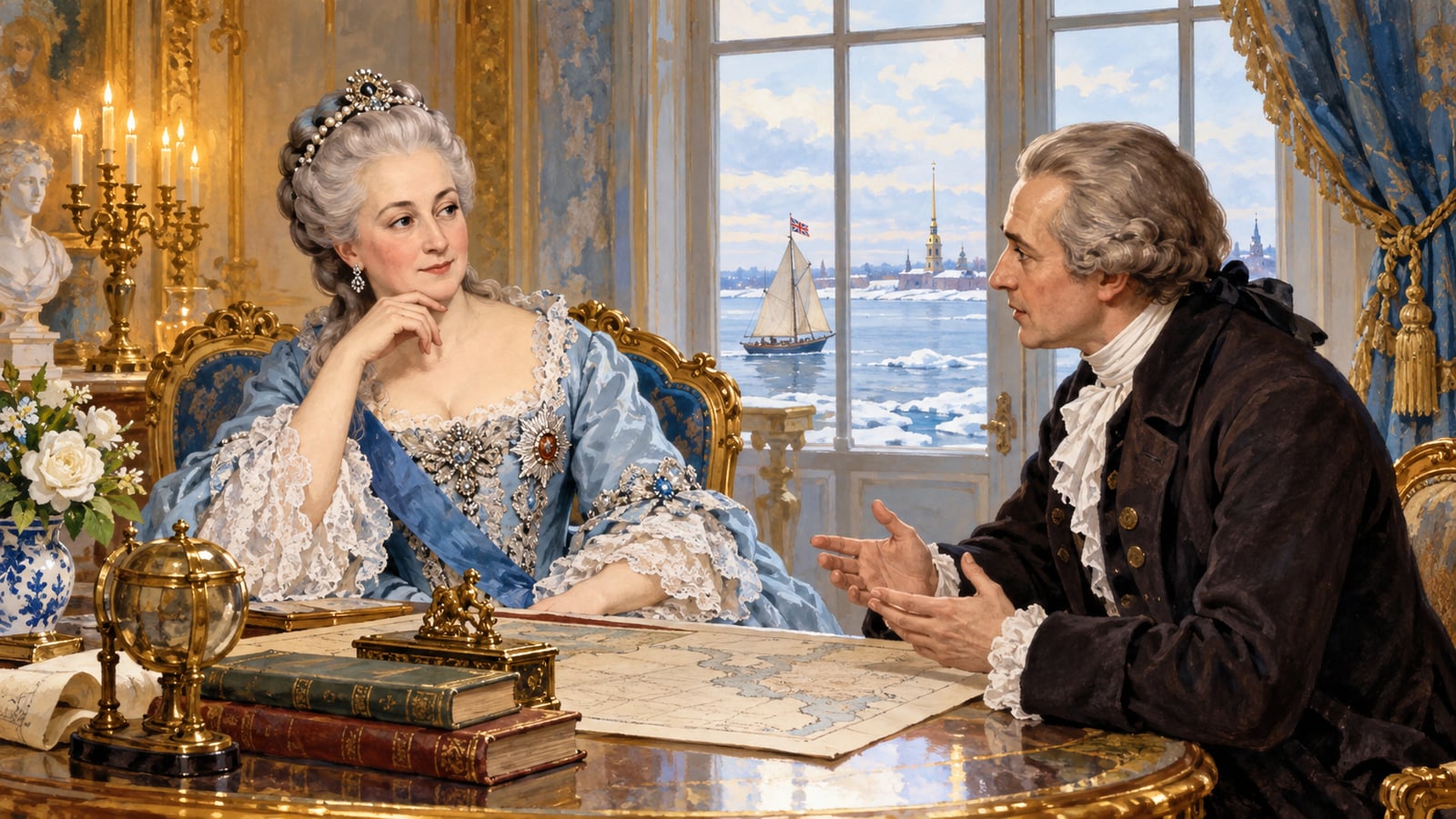
Inoculating Catherine the Great placed an English doctor in a precarious position. The imperial arrangements included a way out if the undertaking failed.
HISTORY
Inoculating Catherine the Great placed an English doctor in a precarious position. The imperial arrangements included a way out if the undertaking failed.
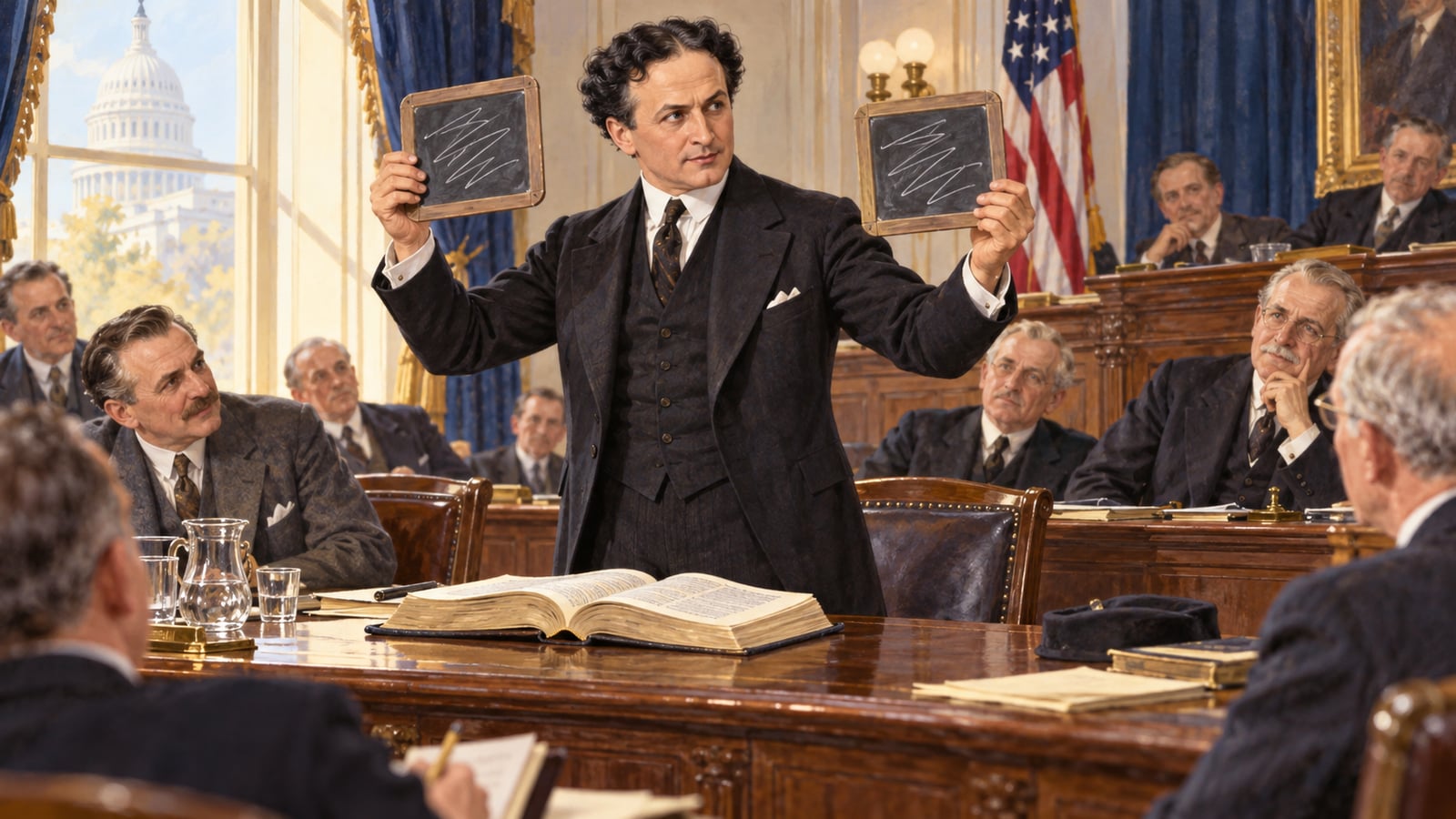
Houdini brought slates and a dictionary to Congress to demonstrate deception. Even calling it a trick did not make everyone agree about what they saw.
Waikiki's waves initially separated Agatha Christie from her board. Her 1922 travels also brought the satisfaction of finally riding one standing up.

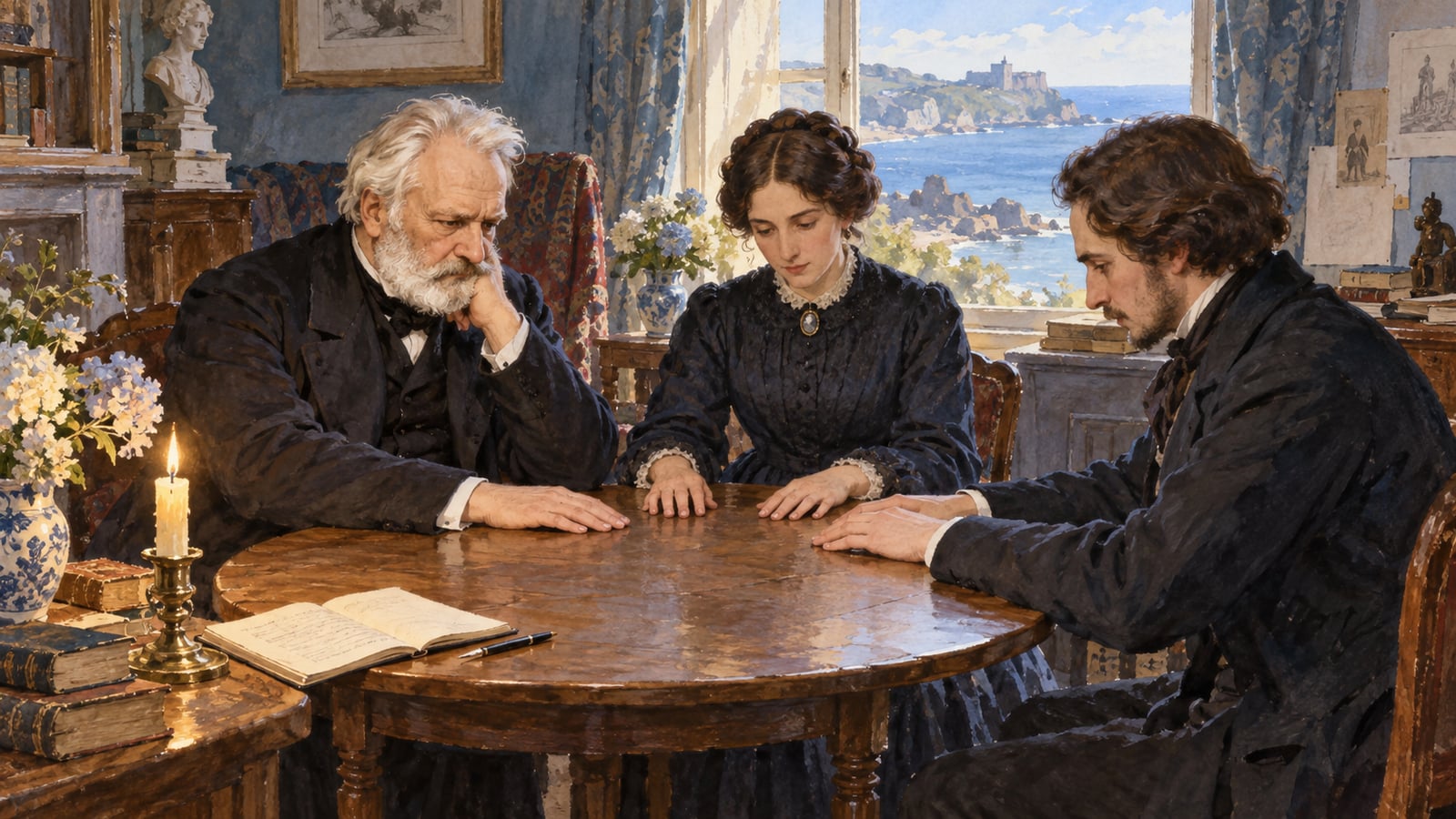
Hugo's Jersey household recorded table knocks as messages from the dead. Among famous literary names lay a father's questions for his lost daughter.
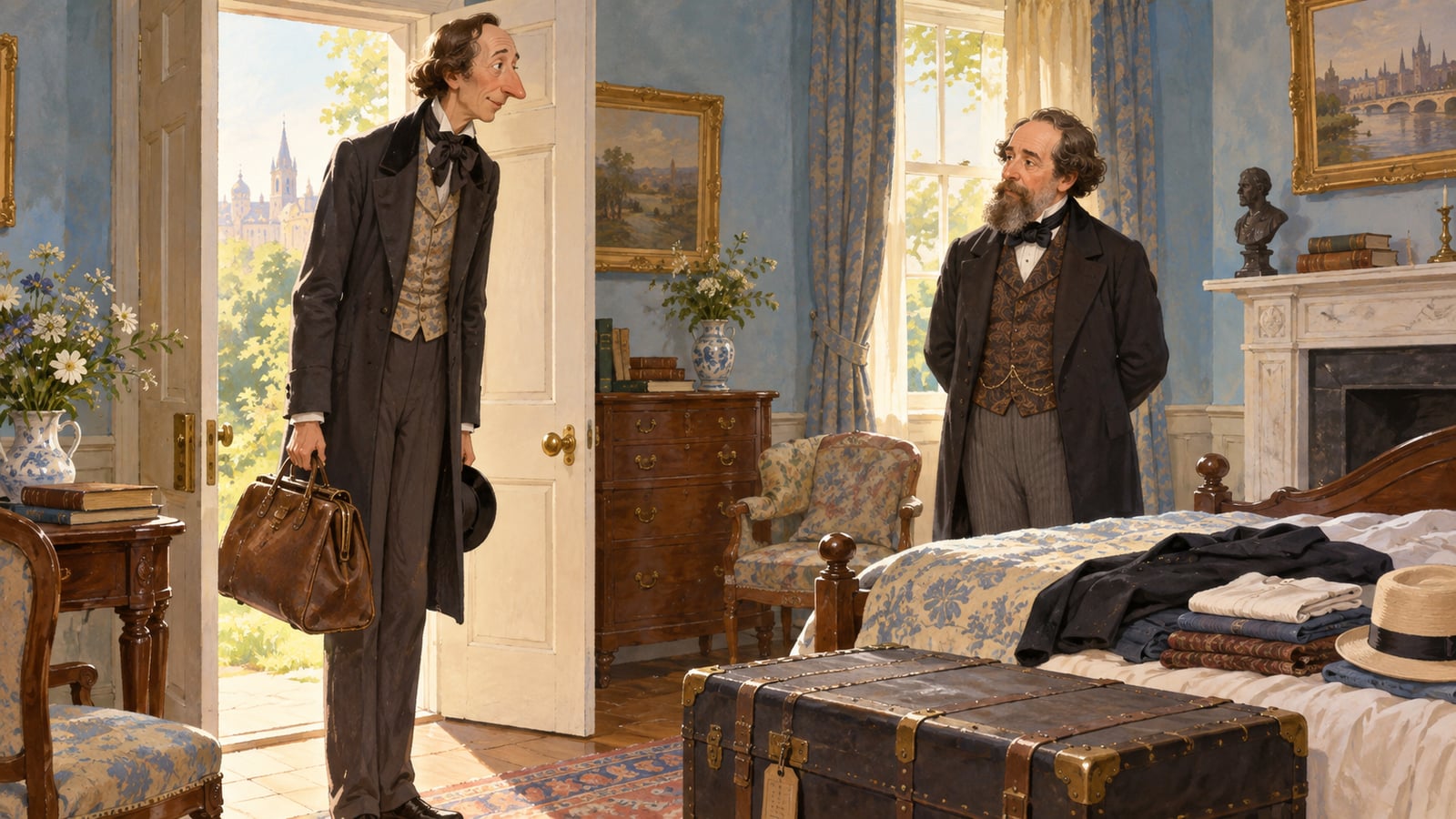
Andersen enjoyed visiting a writer he admired. Dickens's household found the five-week stay more trying. Their letters and diaries tell different stories.
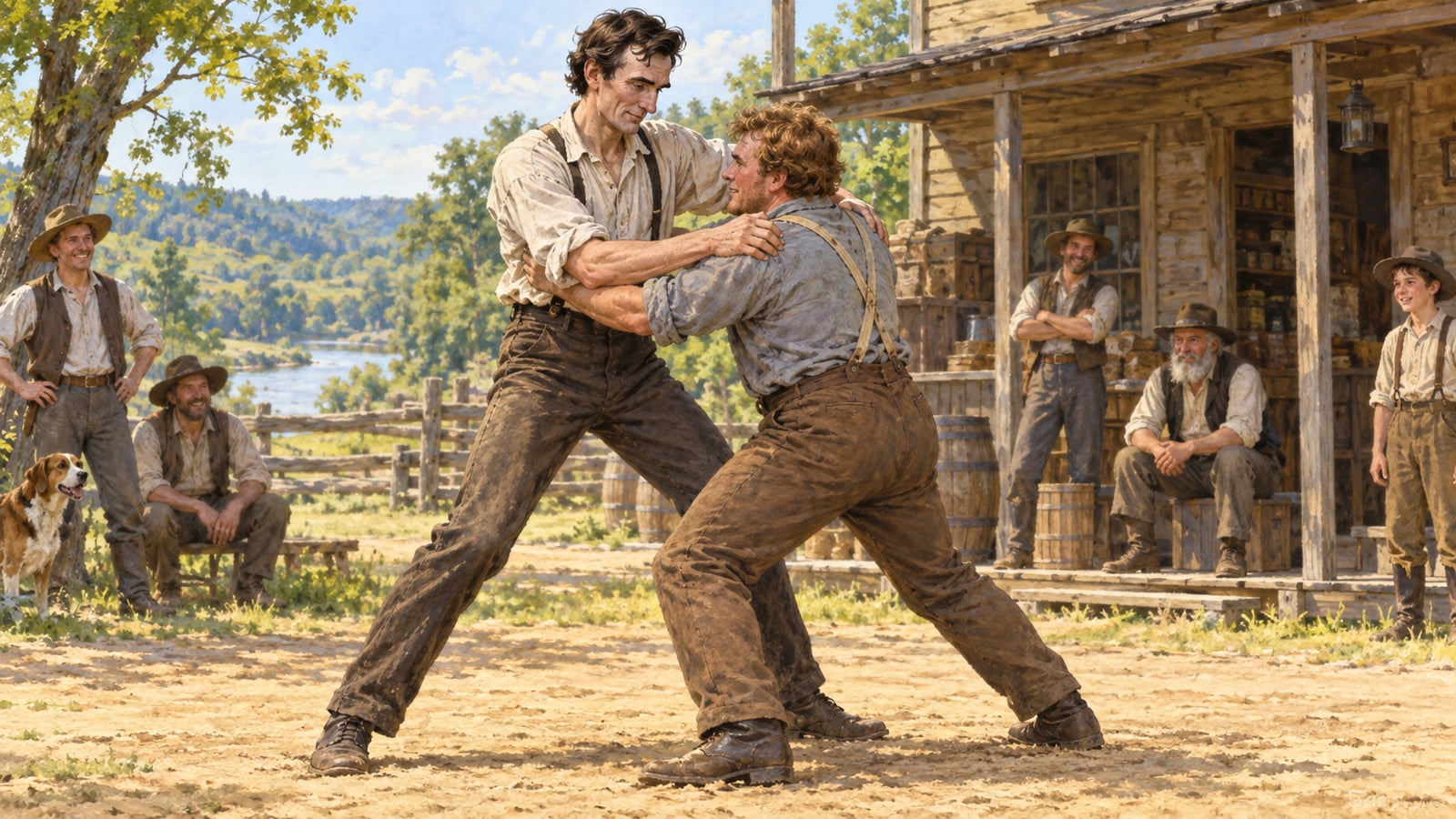
A shopkeeper's boasts helped put young Lincoln in a wrestling match with Jack Armstrong. The bout's disputed finish gave way to a lasting friendship.
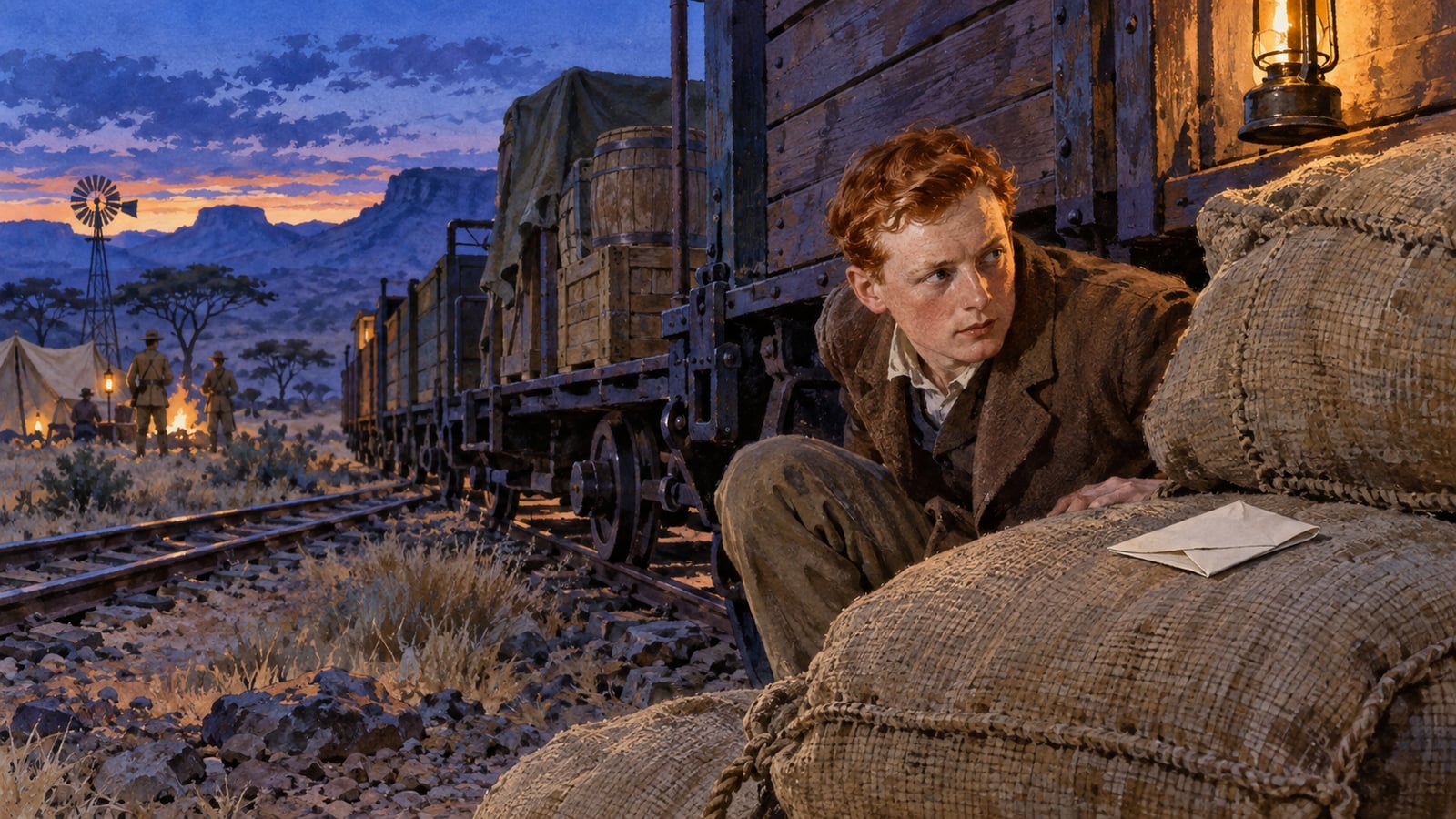
Before escaping captivity in 1899, Churchill prepared a polite farewell. His journey beyond the wall proved less certain than the letter suggested.
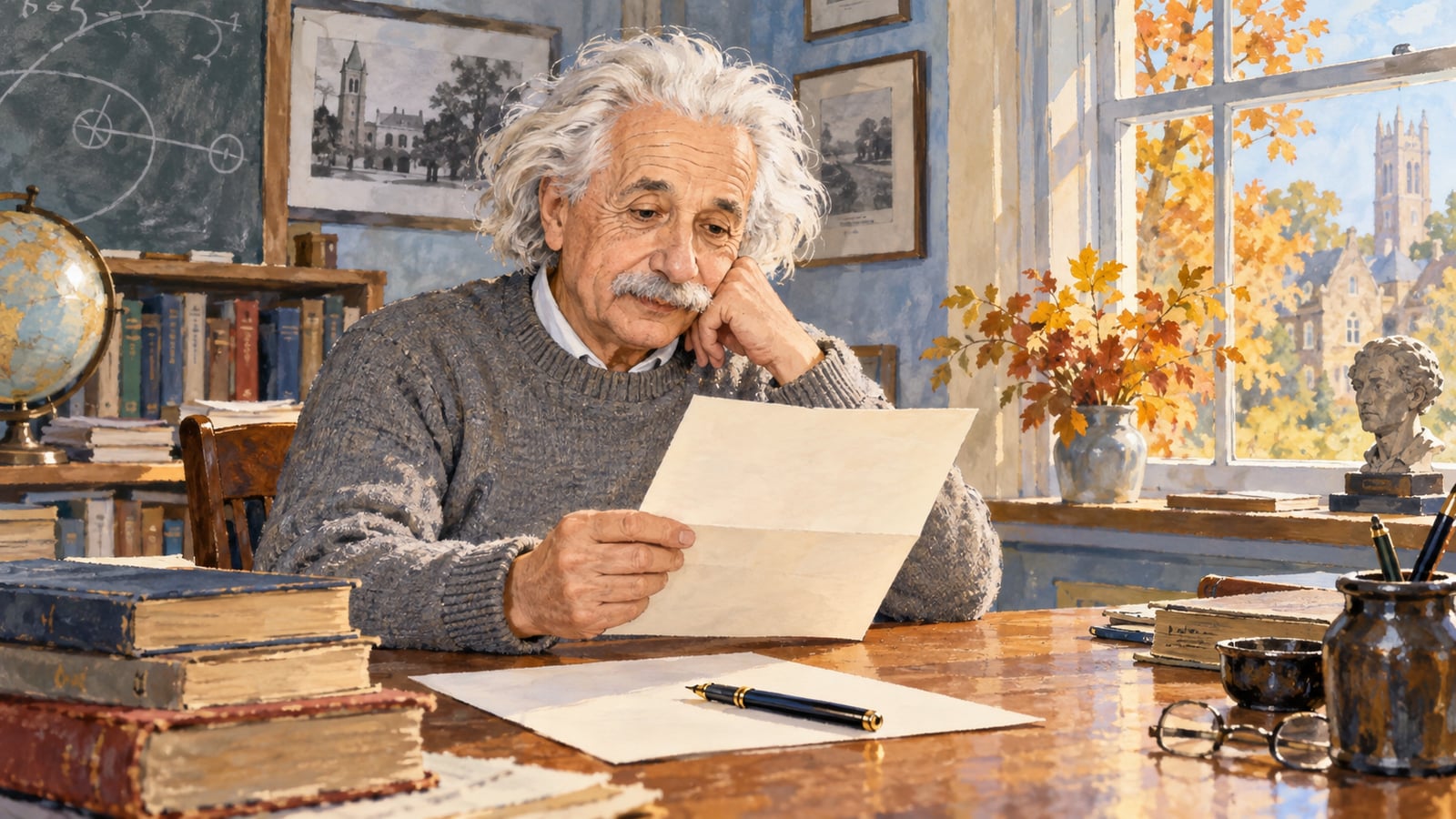
In 1952, Einstein was asked whether he would accept Israel's presidency. His refusal distinguished the honor of an offer from the demands of the job.
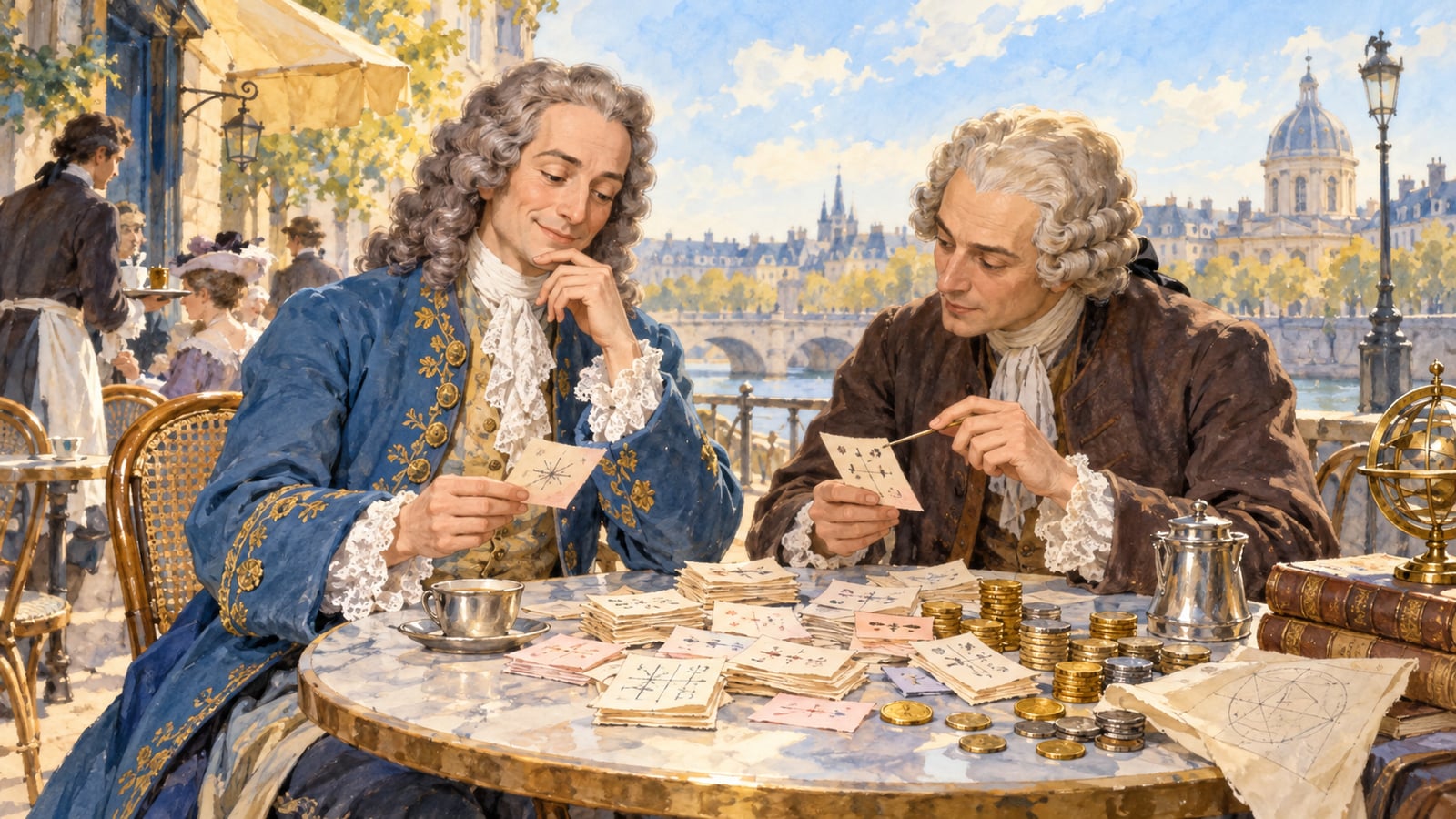
Voltaire and his partners studied the lottery's economics rather than its lucky numbers. Pooling their money turned a game of chance into an opportunity.
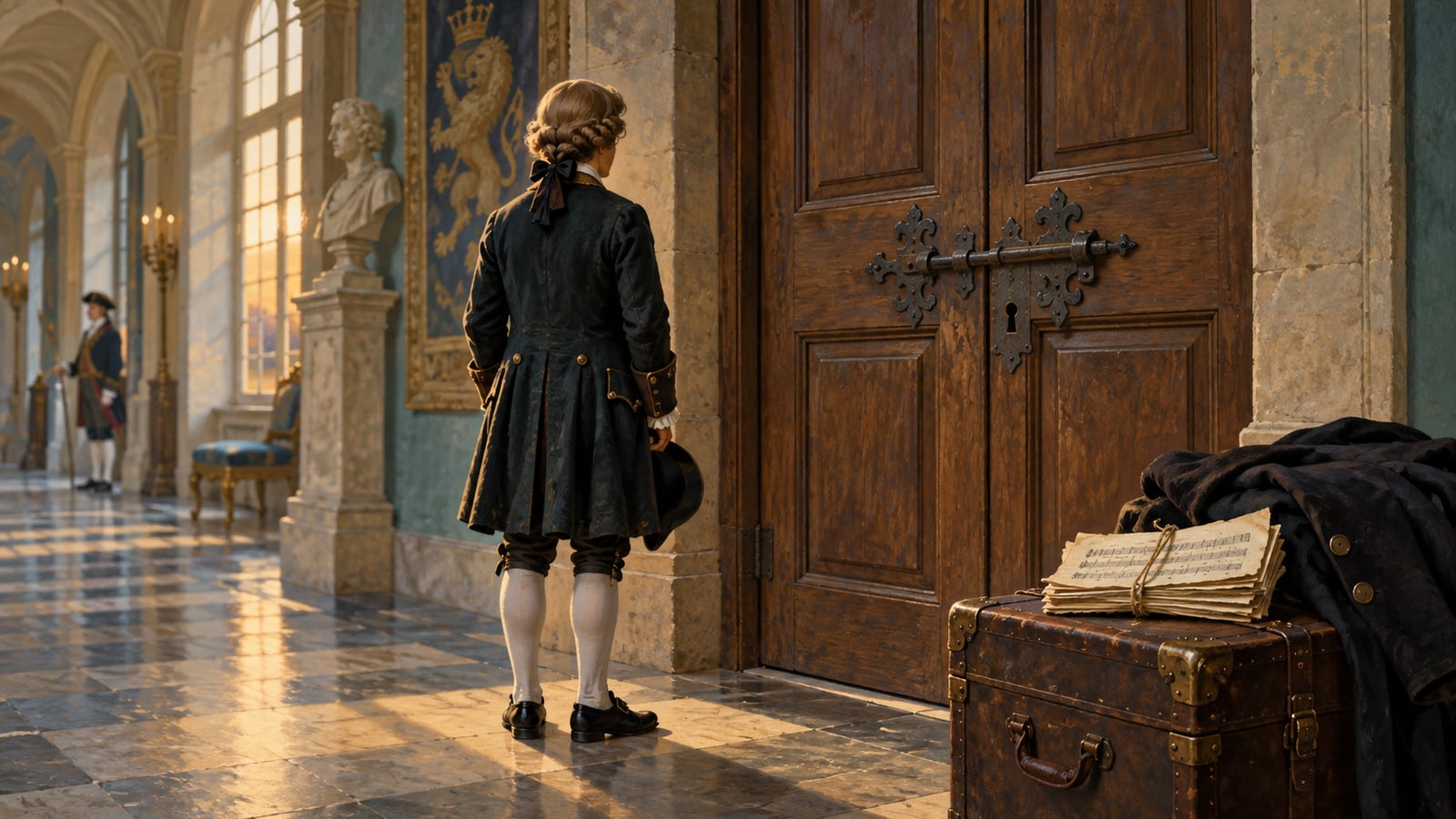
Bach had a new position waiting in 1717. His old employer refused to release him, then detained him for nearly four weeks when he persisted.
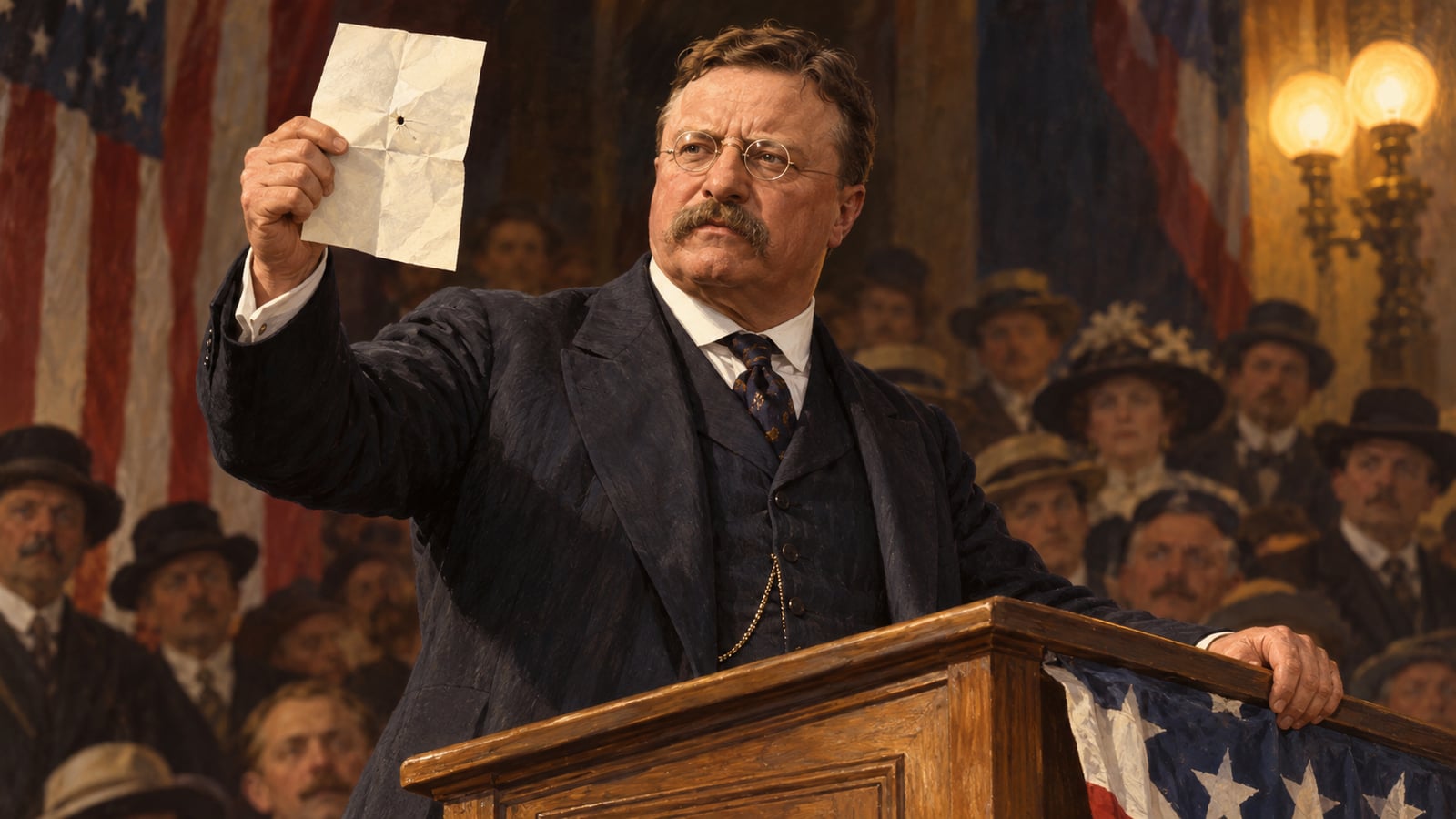
After being shot in Milwaukee, Theodore Roosevelt warned that he could not speak for long. His roughly eighty-minute address had other priorities.
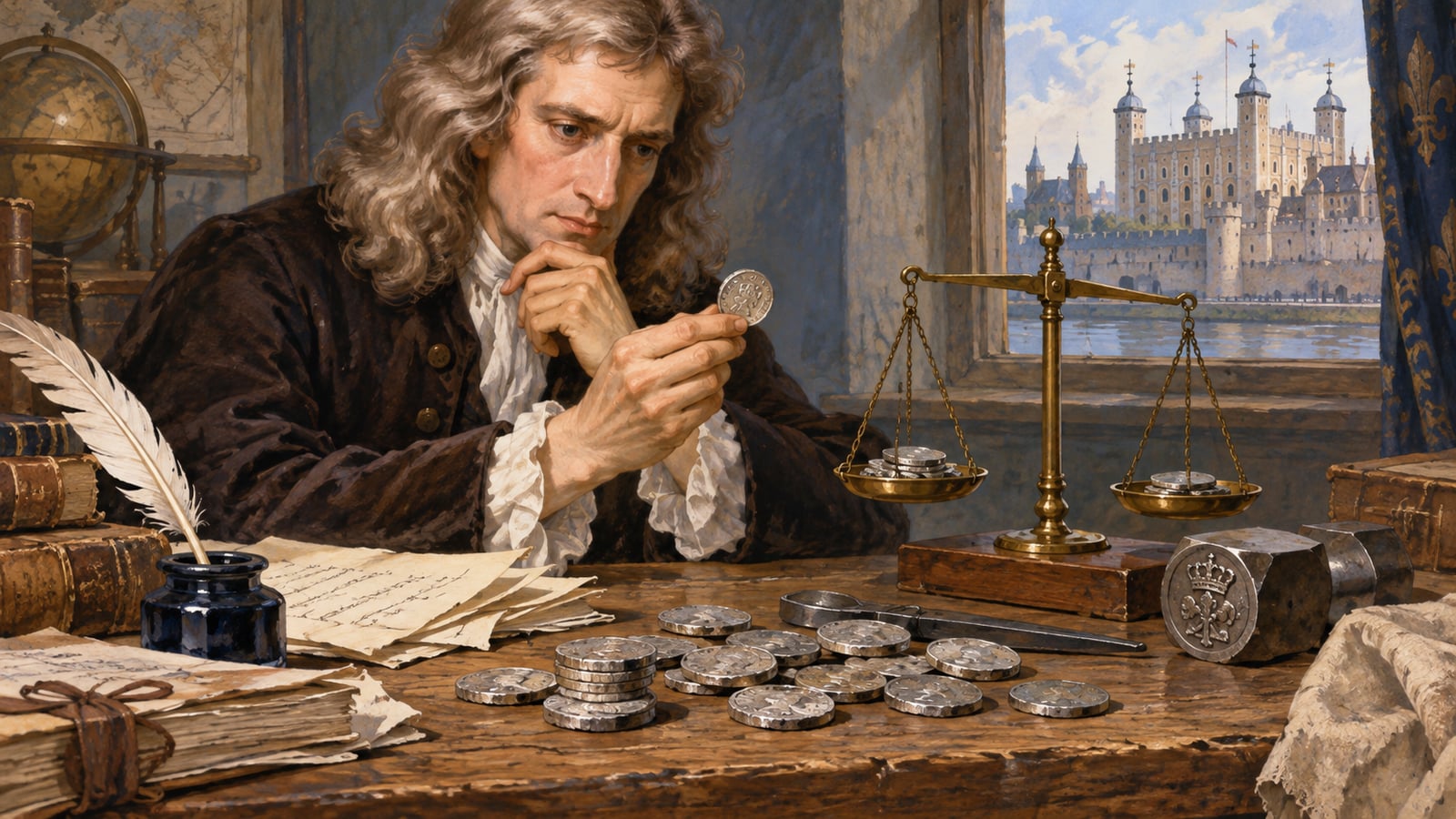
At the Royal Mint, Newton questioned counterfeiters and informants. His surviving papers reveal a second career in which the subjects could lie.
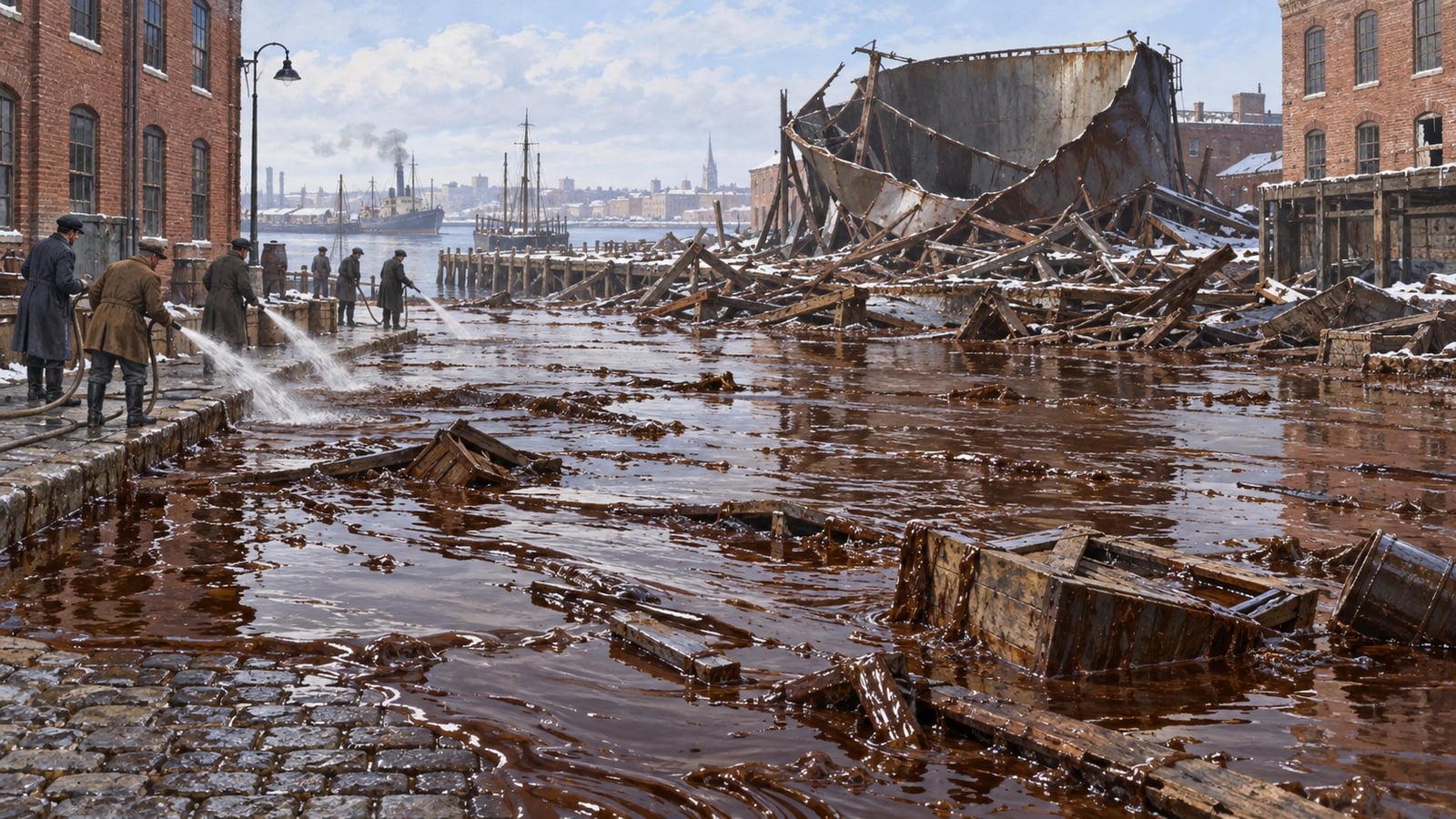
A failed tank released millions of gallons into the North End. The liquid's force wrecked buildings; its stickiness complicated rescue and cleanup.
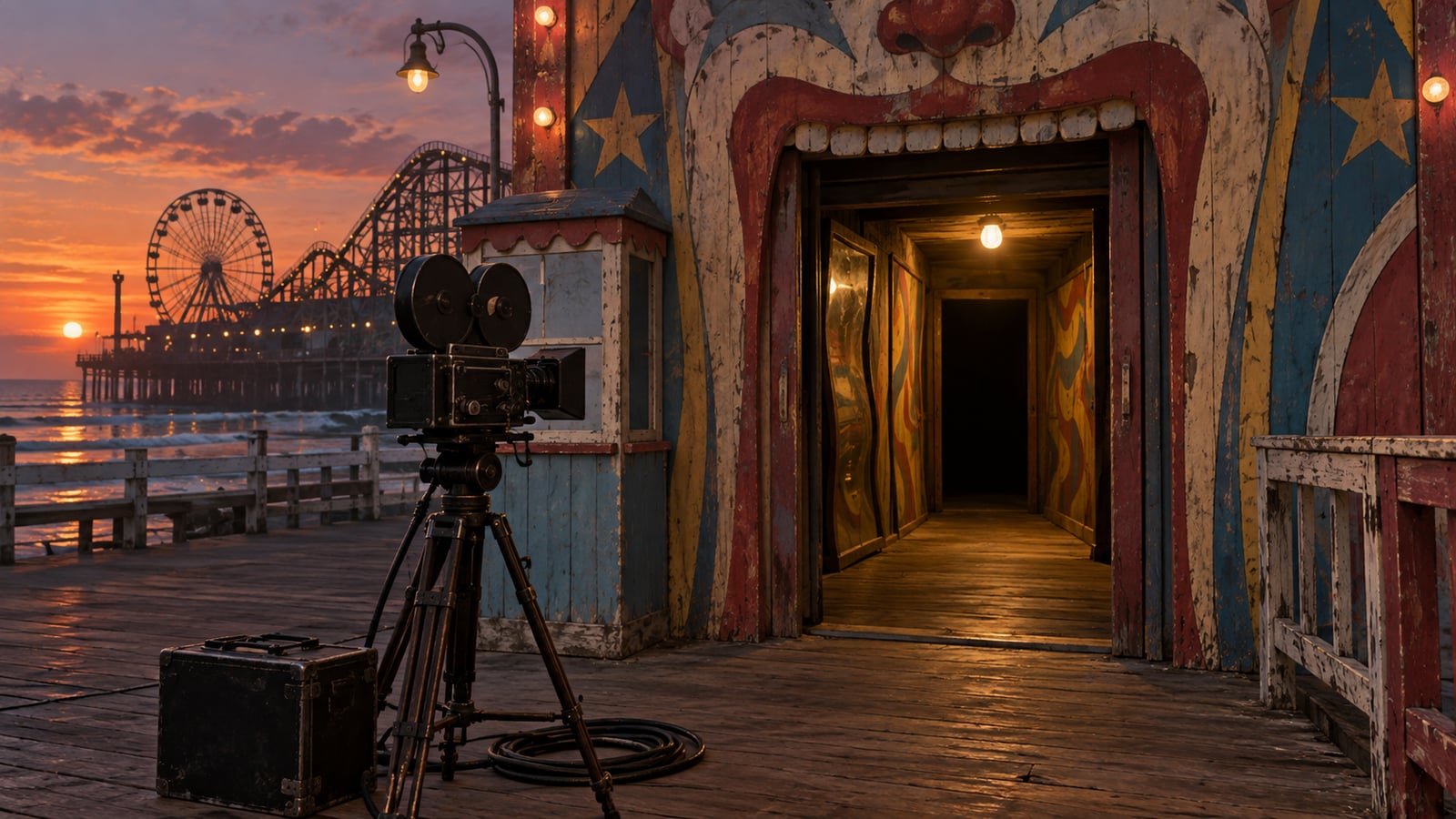
A television crew's broken prop exposed human bone. Tracing Elmer McCurdy's remains meant following decades of exhibitions between his death and eventual burial.
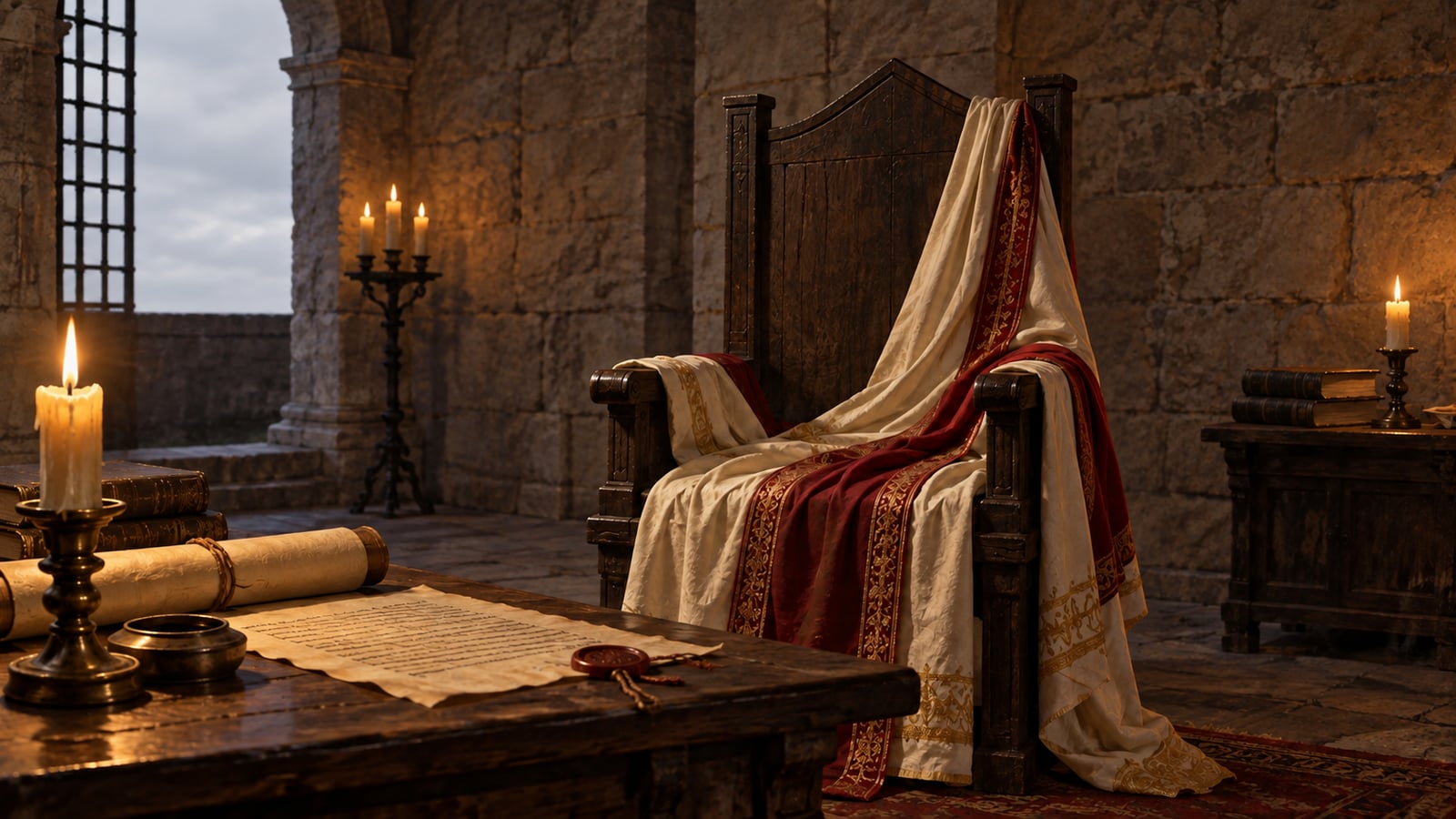
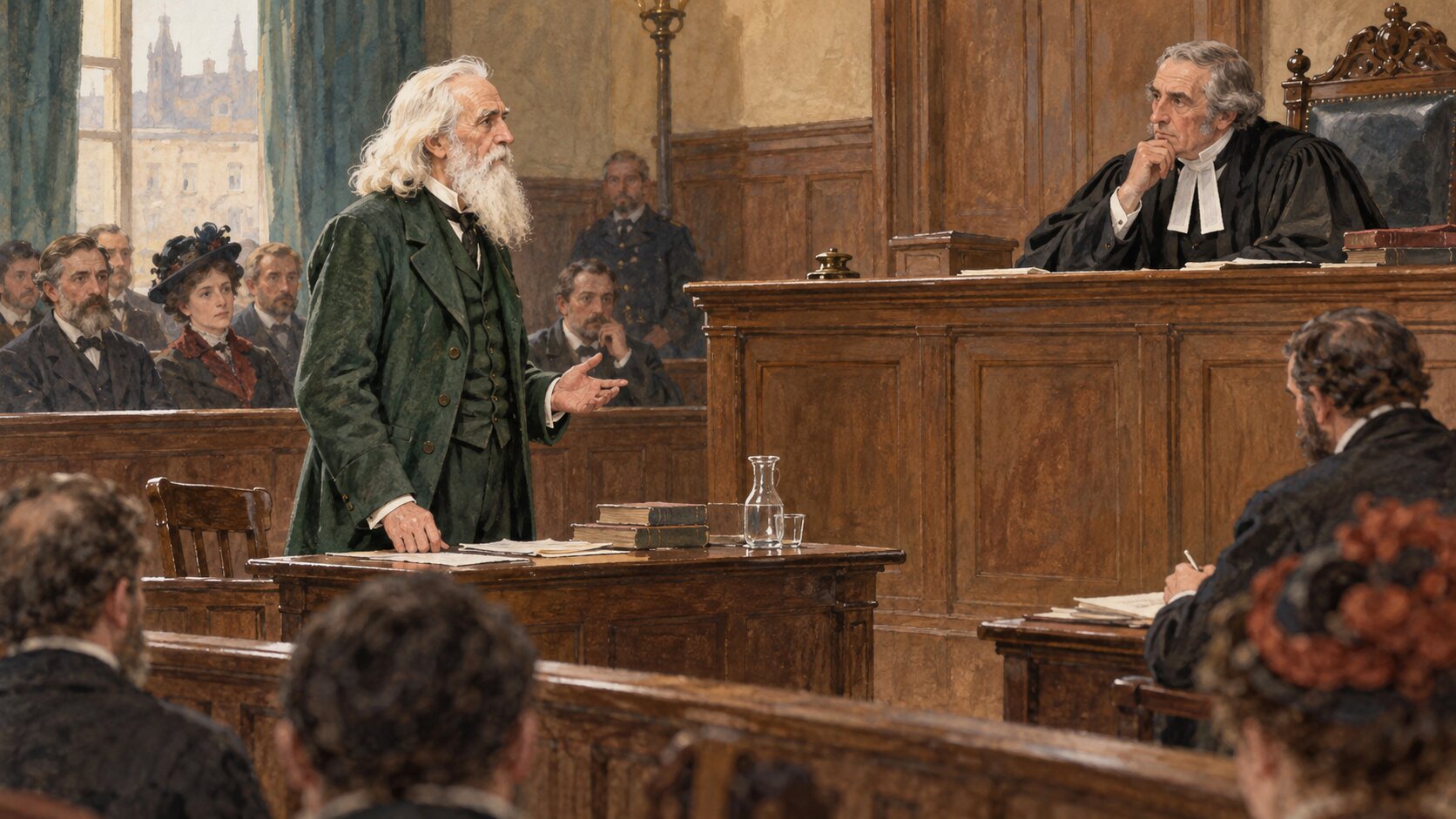
A deacon answered for the corpse of Formosus. The verdict threatened not only a dead pope's reputation, but the positions of living clergy.
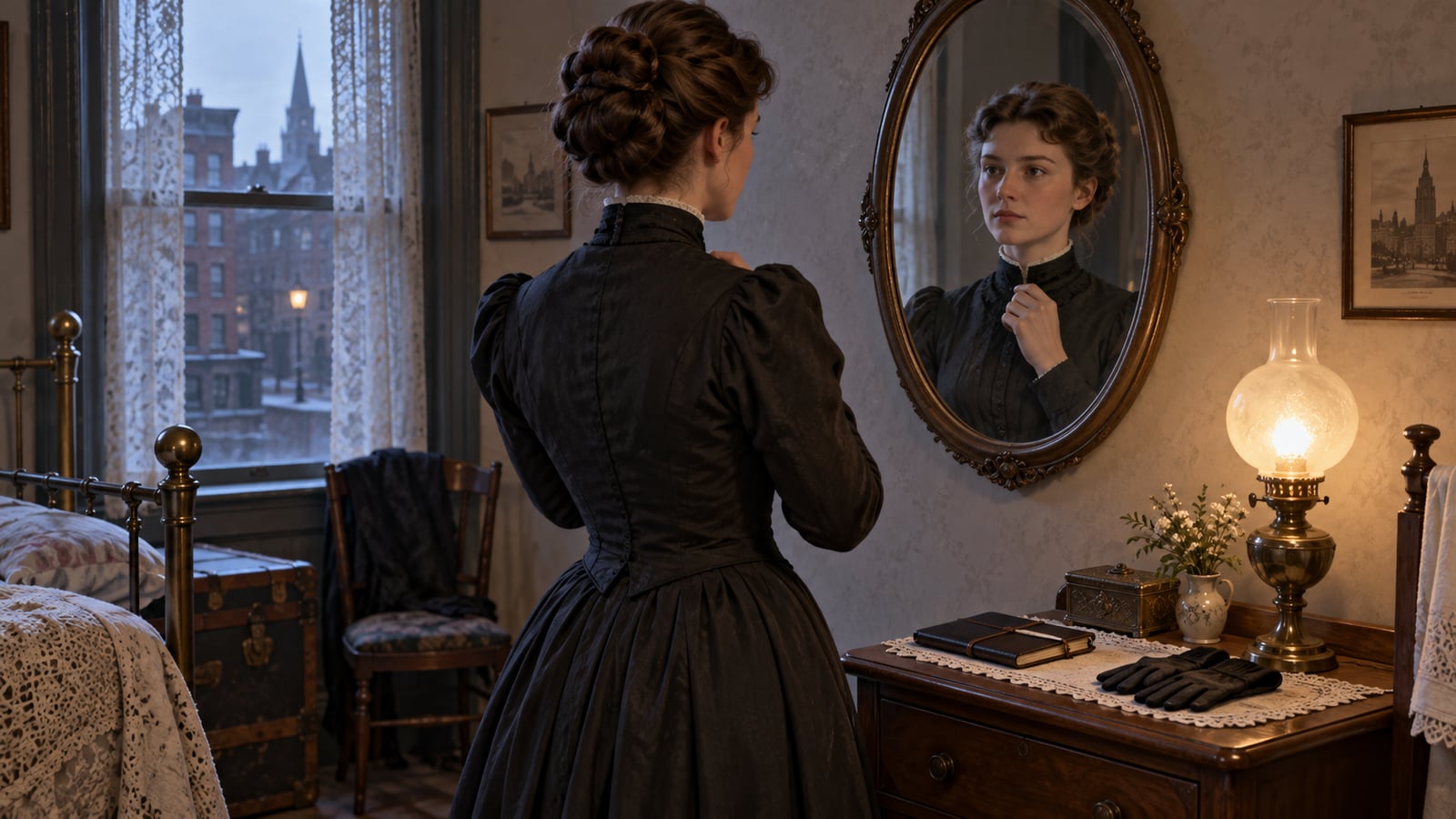
Nellie Bly stopped acting once she was inside. Her ten-day investigation exposed daily conditions—and returning with investigators revealed a different institution.
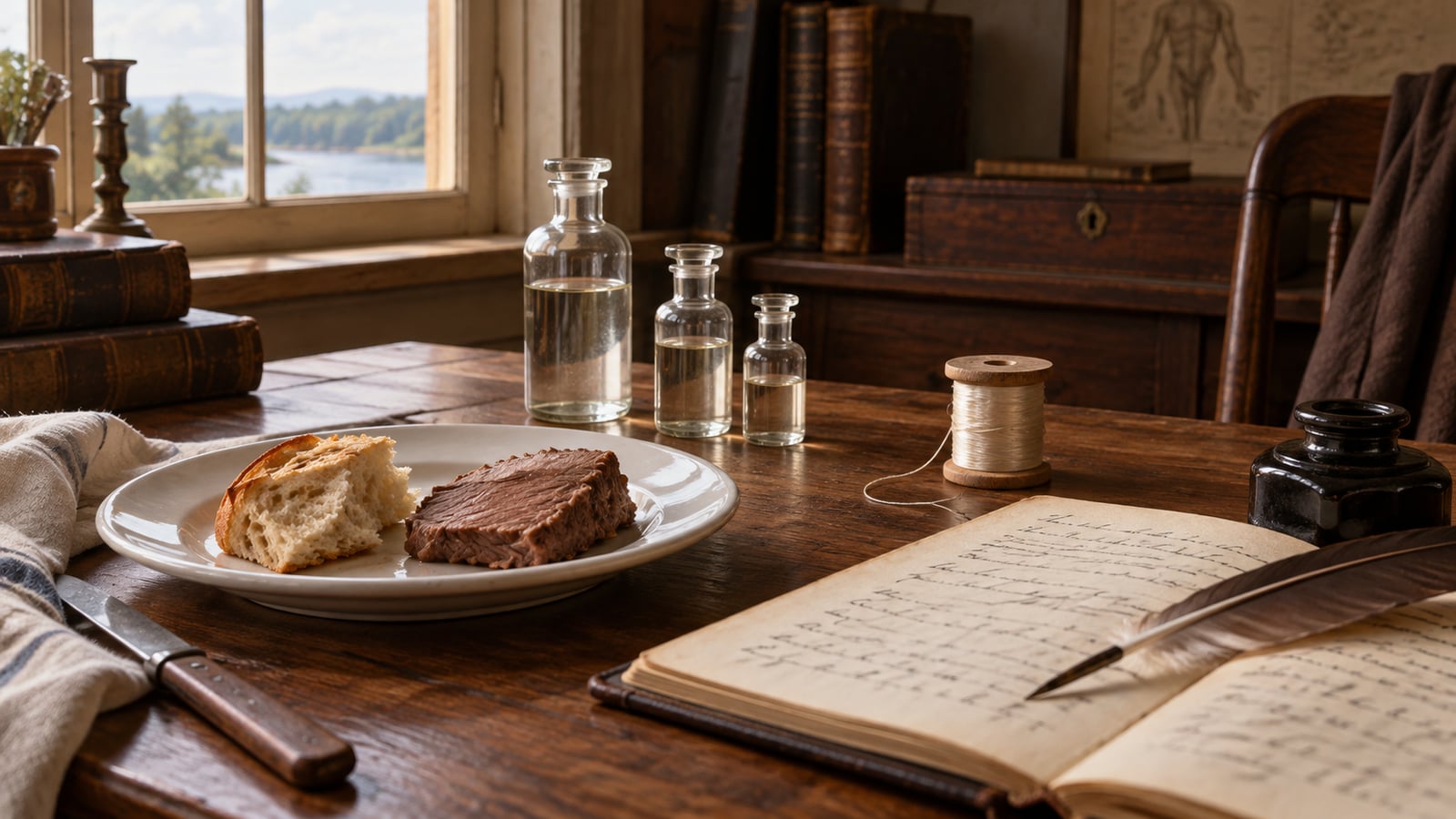
William Beaumont could inspect food inside a living stomach. His experiments also reveal the complicated relationship with its owner, Alexis St. Martin.
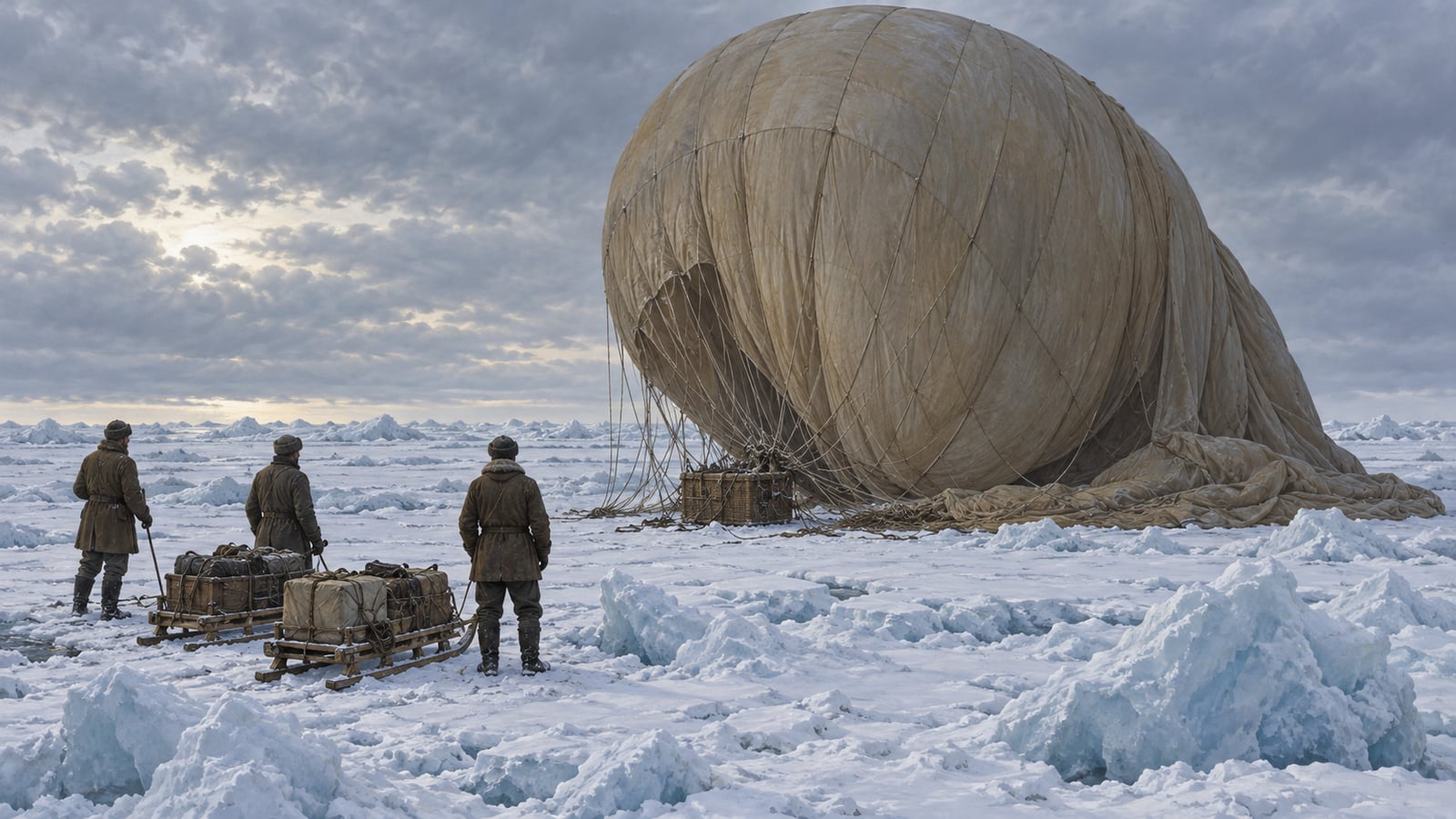
After their balloon landed on the ice, three explorers continued on foot. Recovered negatives and diaries eventually revealed part of their lost journey.
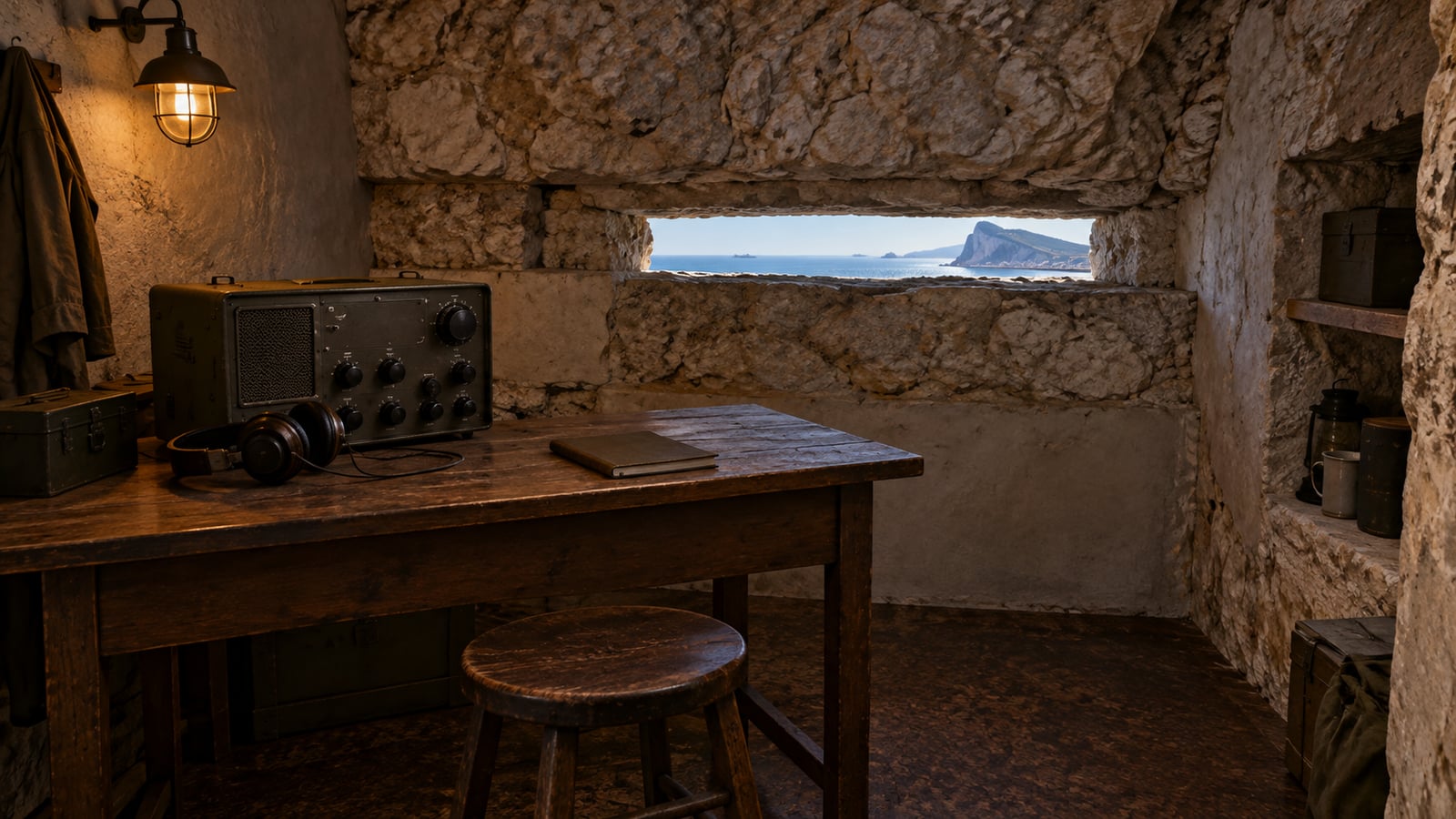
A secret observation post was prepared for use if Gibraltar fell. Decades after the unused chamber was closed, explorers found it—and a former recruit returned.
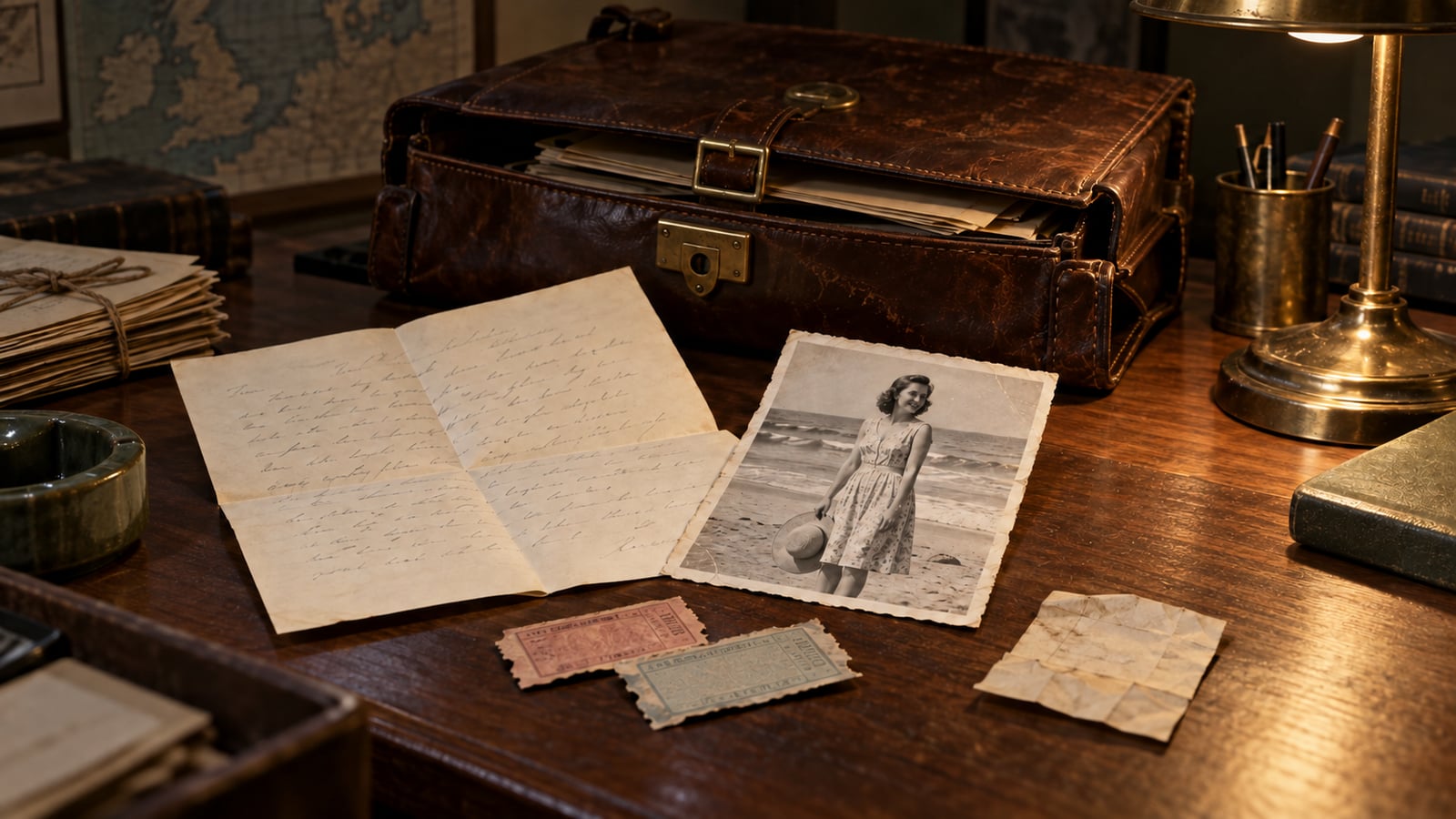
A photograph, love letters and a ring receipt helped make an invented officer believable. His secret papers were meant to be discovered by the enemy.
A refrigerated test structure survived summer on a Canadian lake. Turning that experiment into an Atlantic air base demanded far more than cheap, plentiful ice.

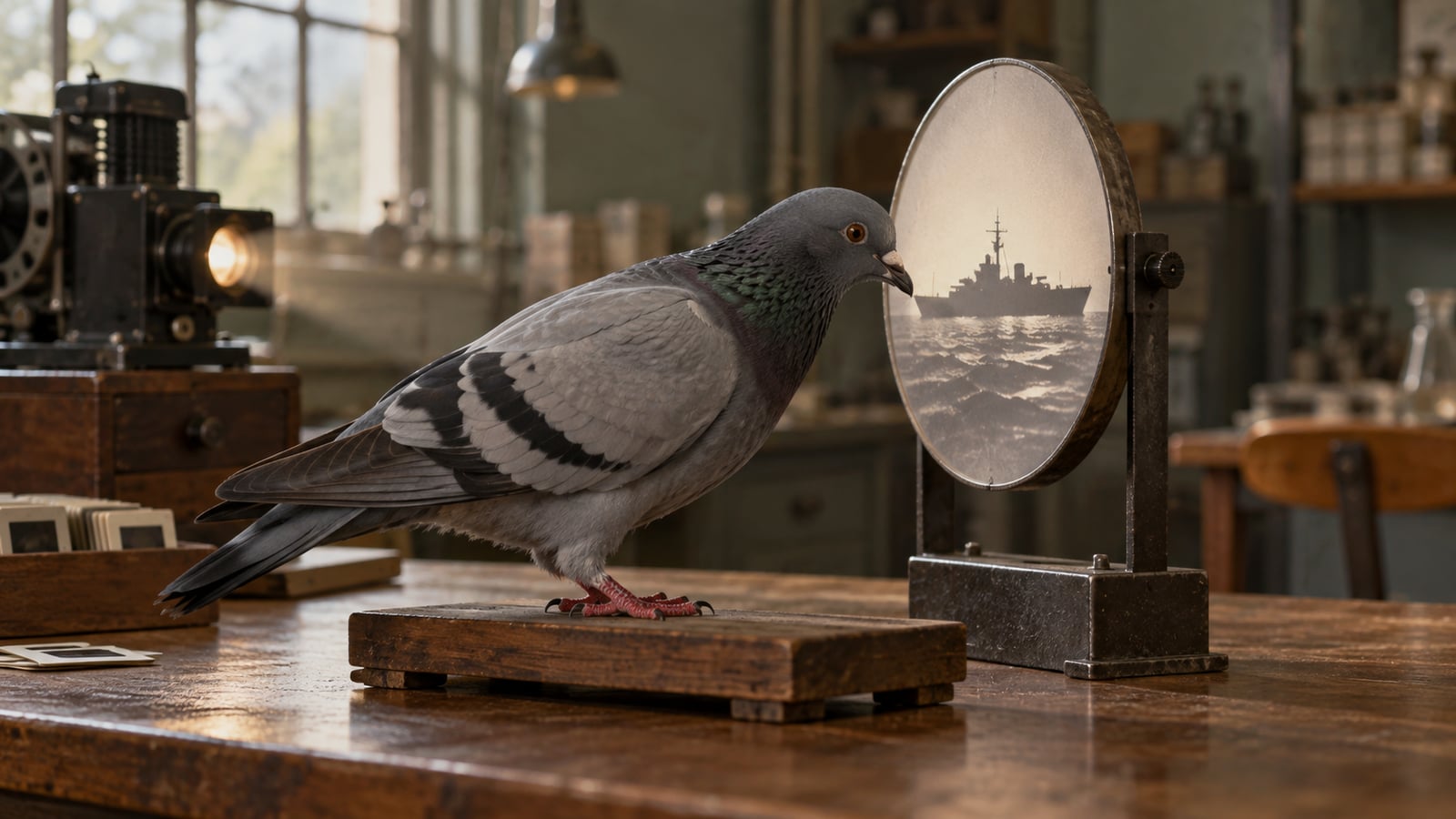
Skinner trained birds to peck at target images. Turning that response into a weapon-guidance system brought a food company, the military, and three pigeons into an unlikely partnership.
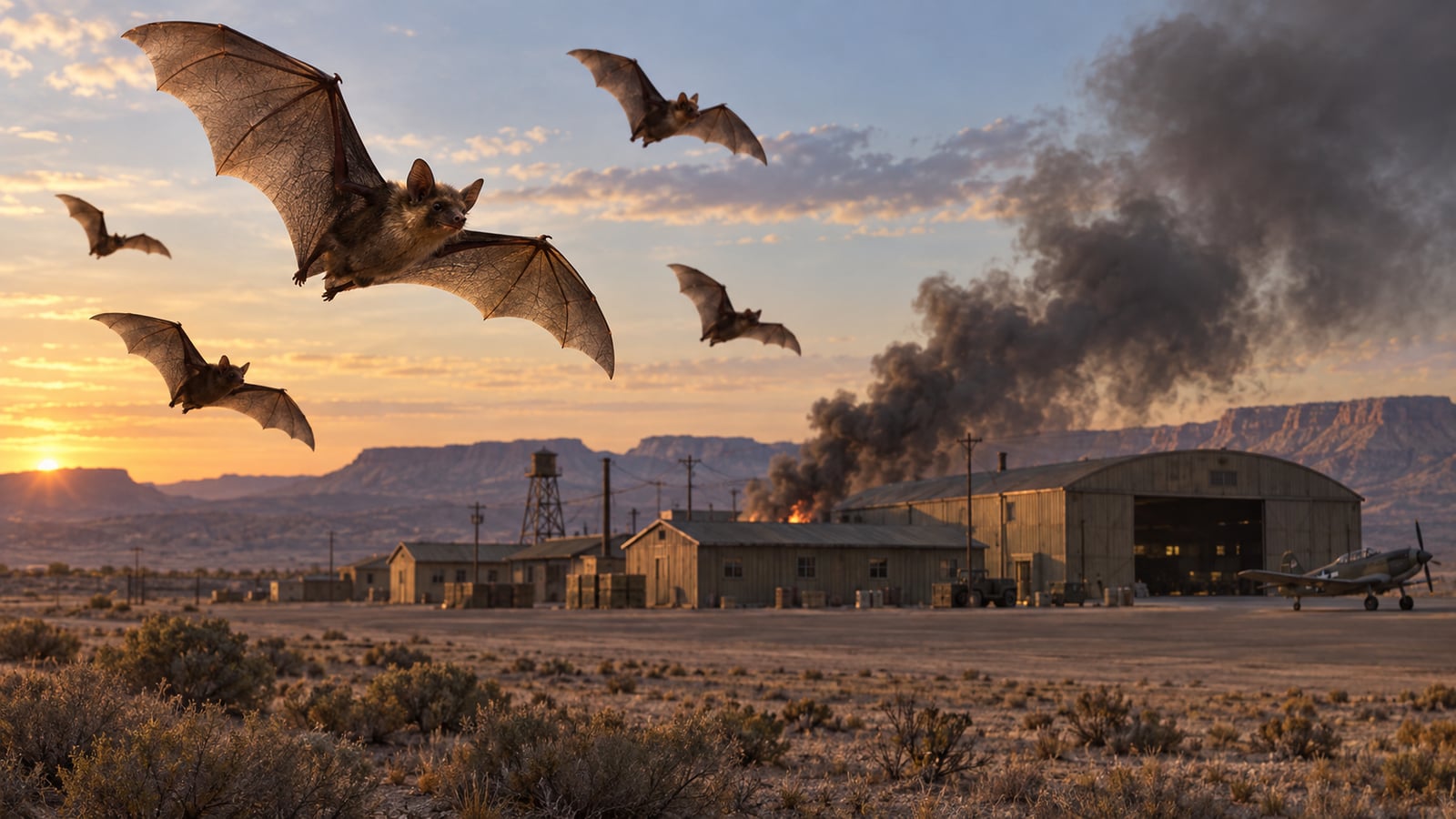
A dentist's proposal became a military research project. Bats could seek shelter with incendiary loads, but the buildings they chose were not always the intended ones.
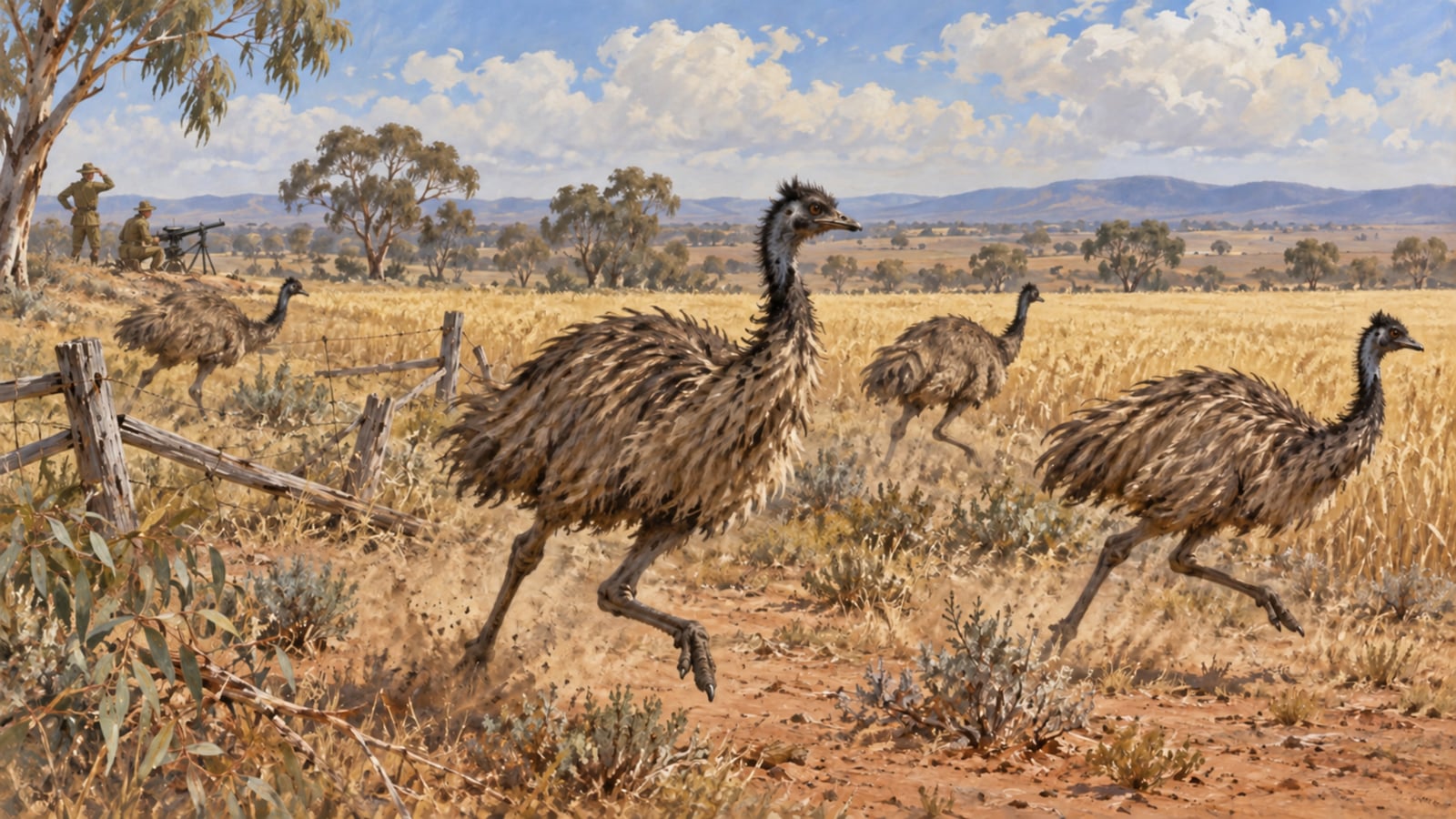
Farmers needed their wheat protected, but emus would not remain convenient targets. A failed ambush and a withdrawal were only part of Australia's peculiar military cull.
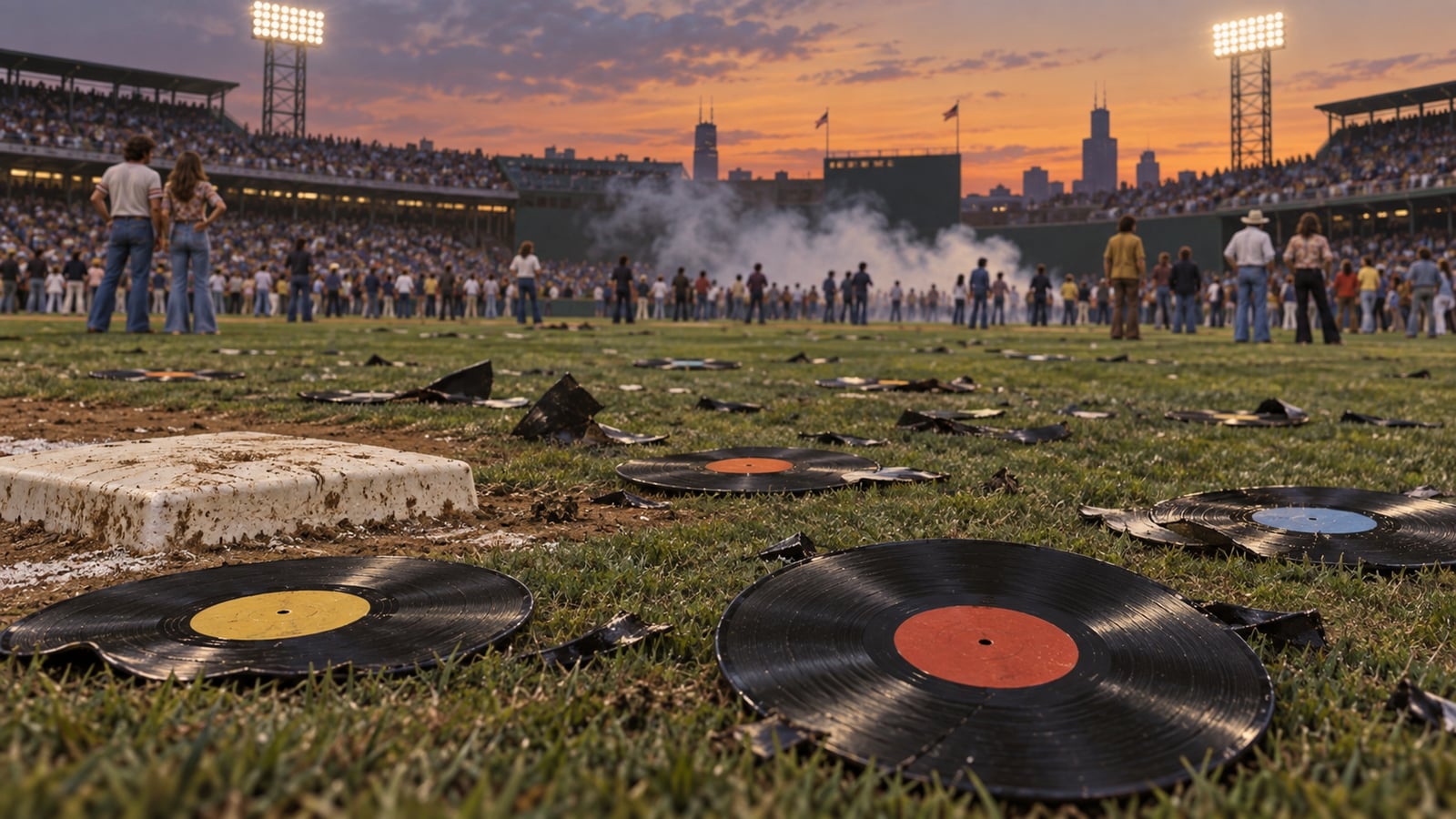
A discount and an exploding crate of disco records brought a huge crowd to Comiskey Park. After the spectacle, there was no playable field for the second game.
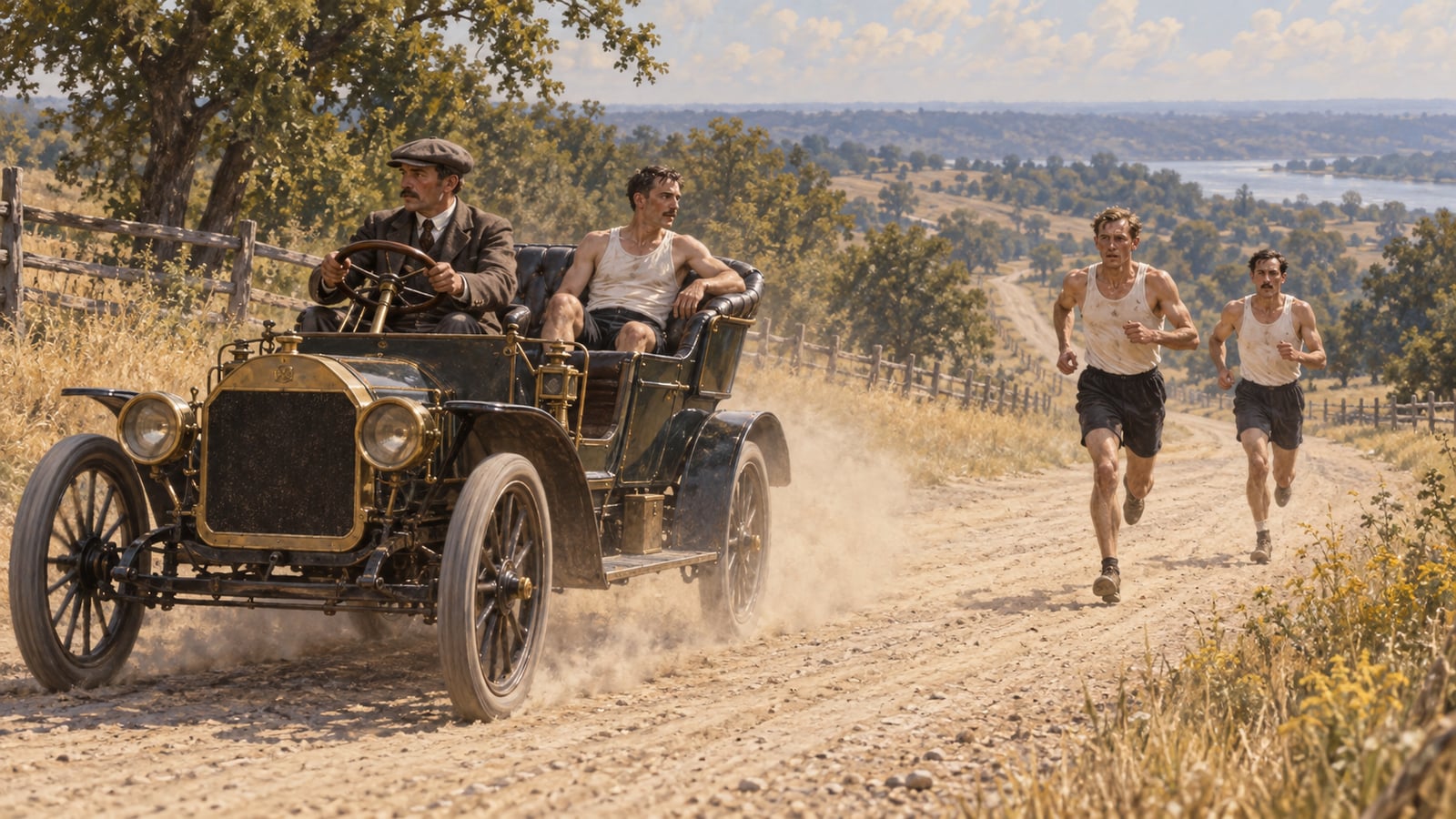
Fred Lorz returned to the stadium after riding part of the course. Behind him, the legitimate leader was struggling through a marathon made stranger by his own attendants.
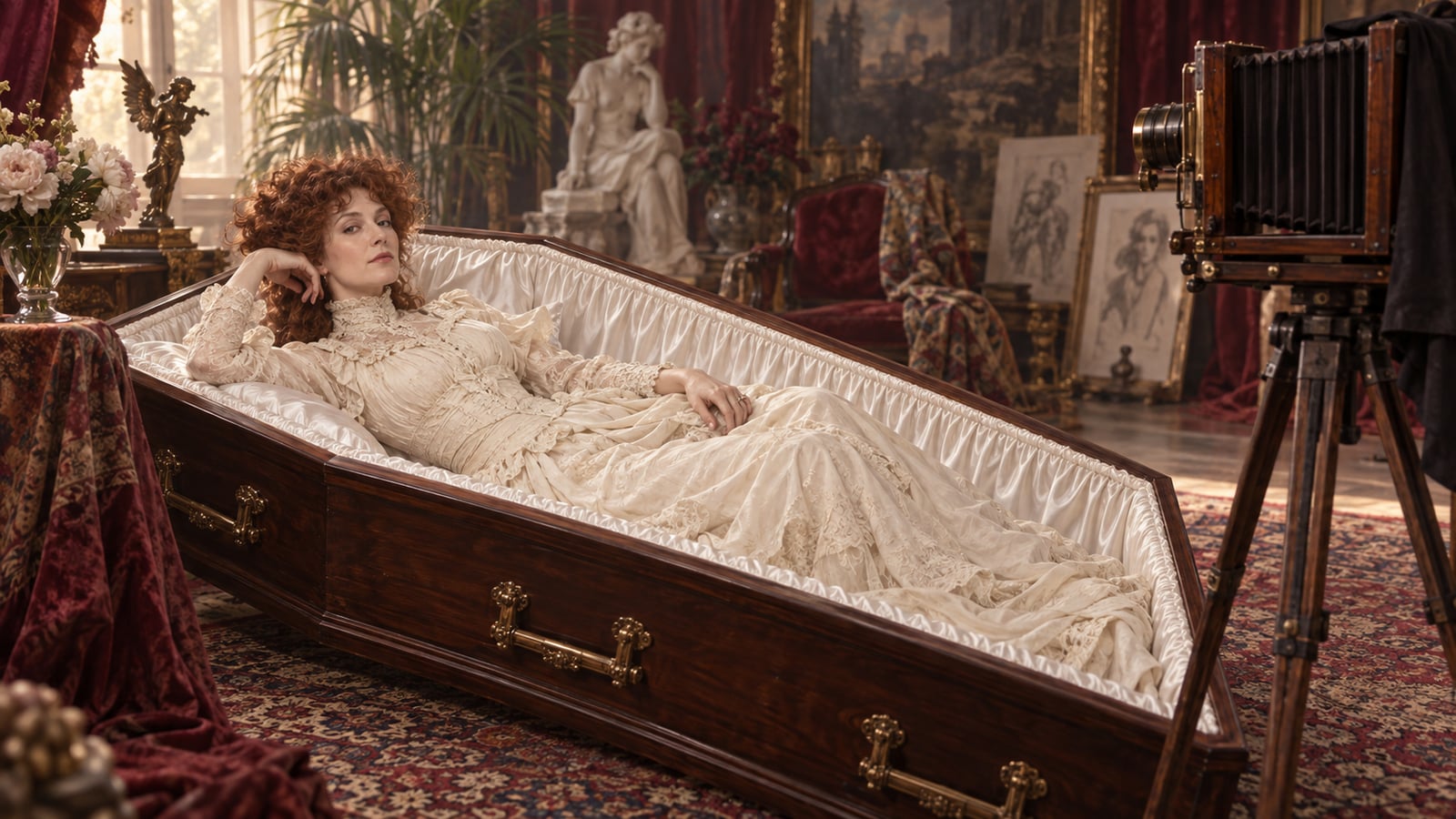
Sarah Bernhardt explained her unusual sleeping arrangement through a sick sister and a cramped room. The gossip became a portrait—and the coffin caused another mix-up.
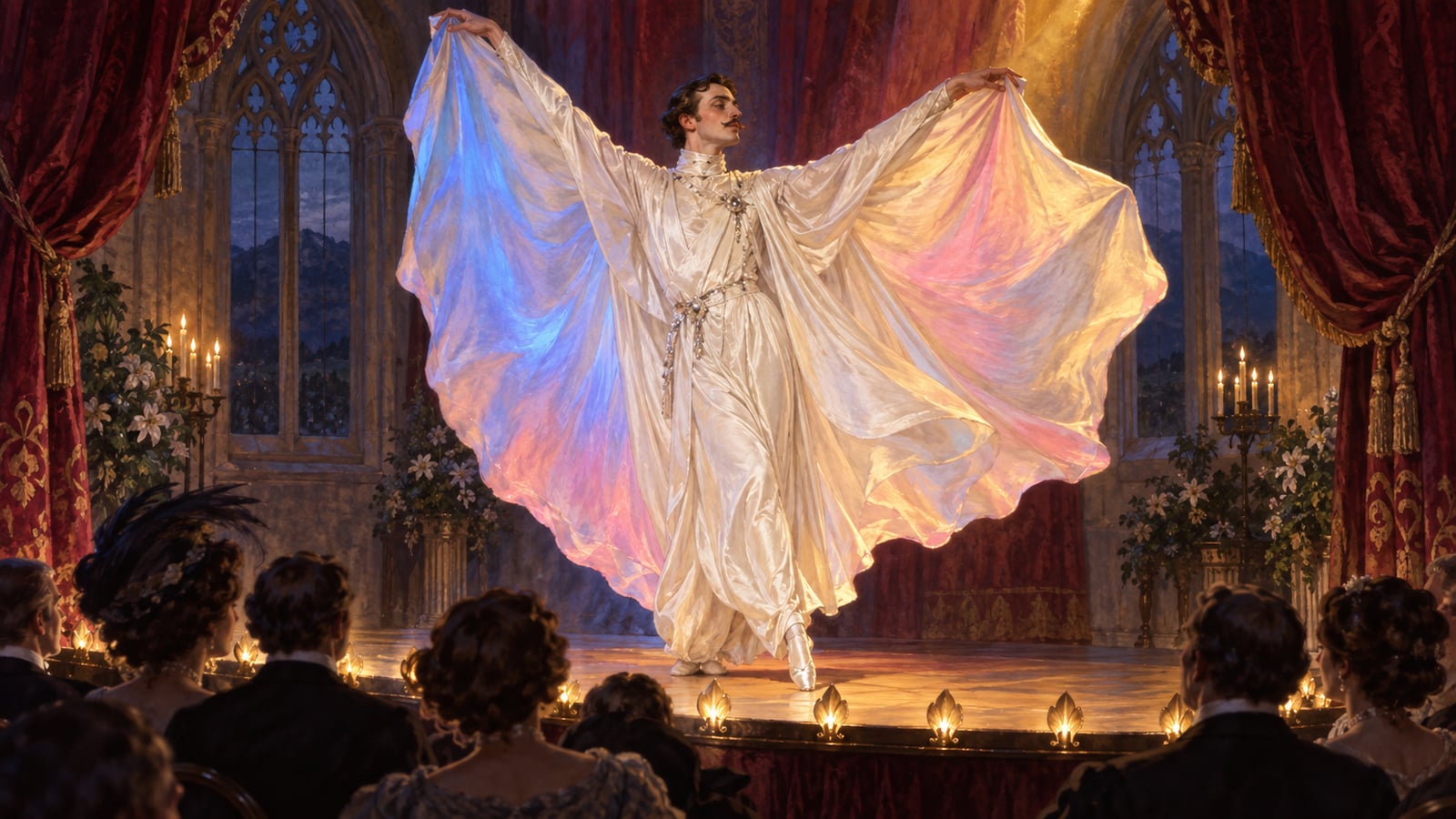
Paget welcomed local audiences to his private stage. After insolvency, his extraordinary wardrobe became an auction attraction—and some garments returned to performance.
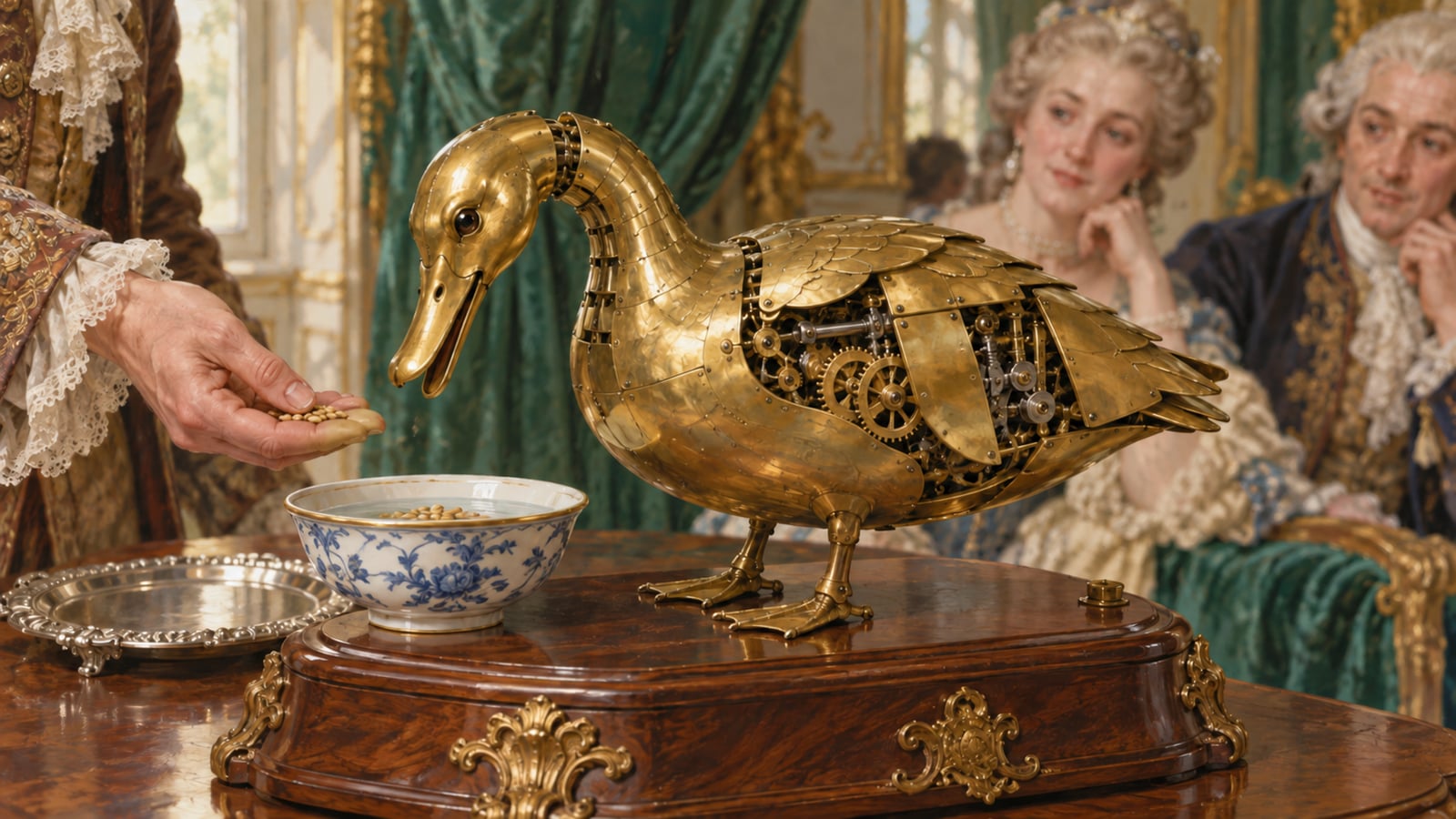
The bird supposedly swallowed, digested and excreted its meal. A magician who later repaired its wing described a very different process inside.
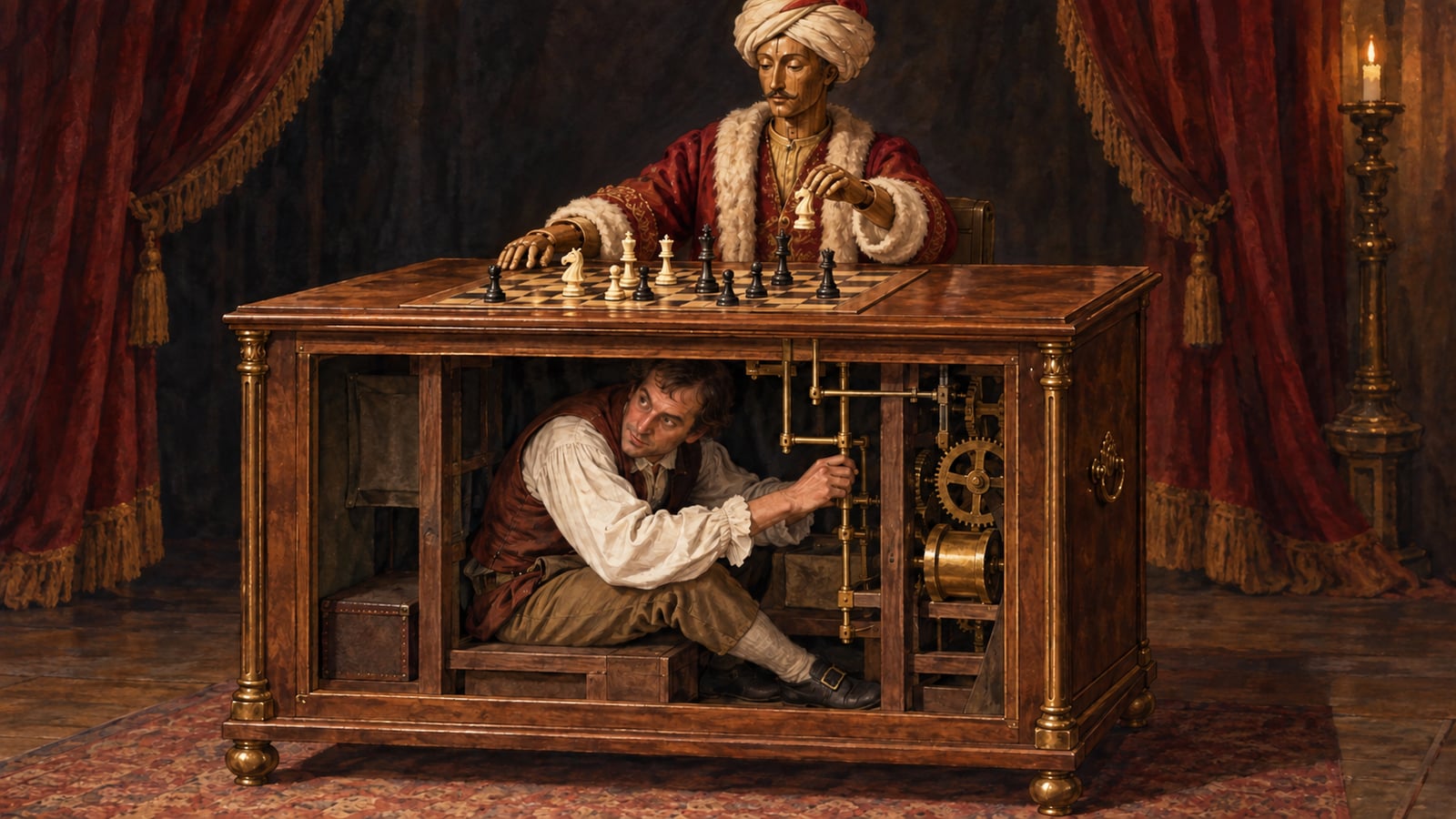
The doors opened, candlelight shone through, and no operator appeared. The Turk's carefully staged inspection helped conceal the person playing its games.
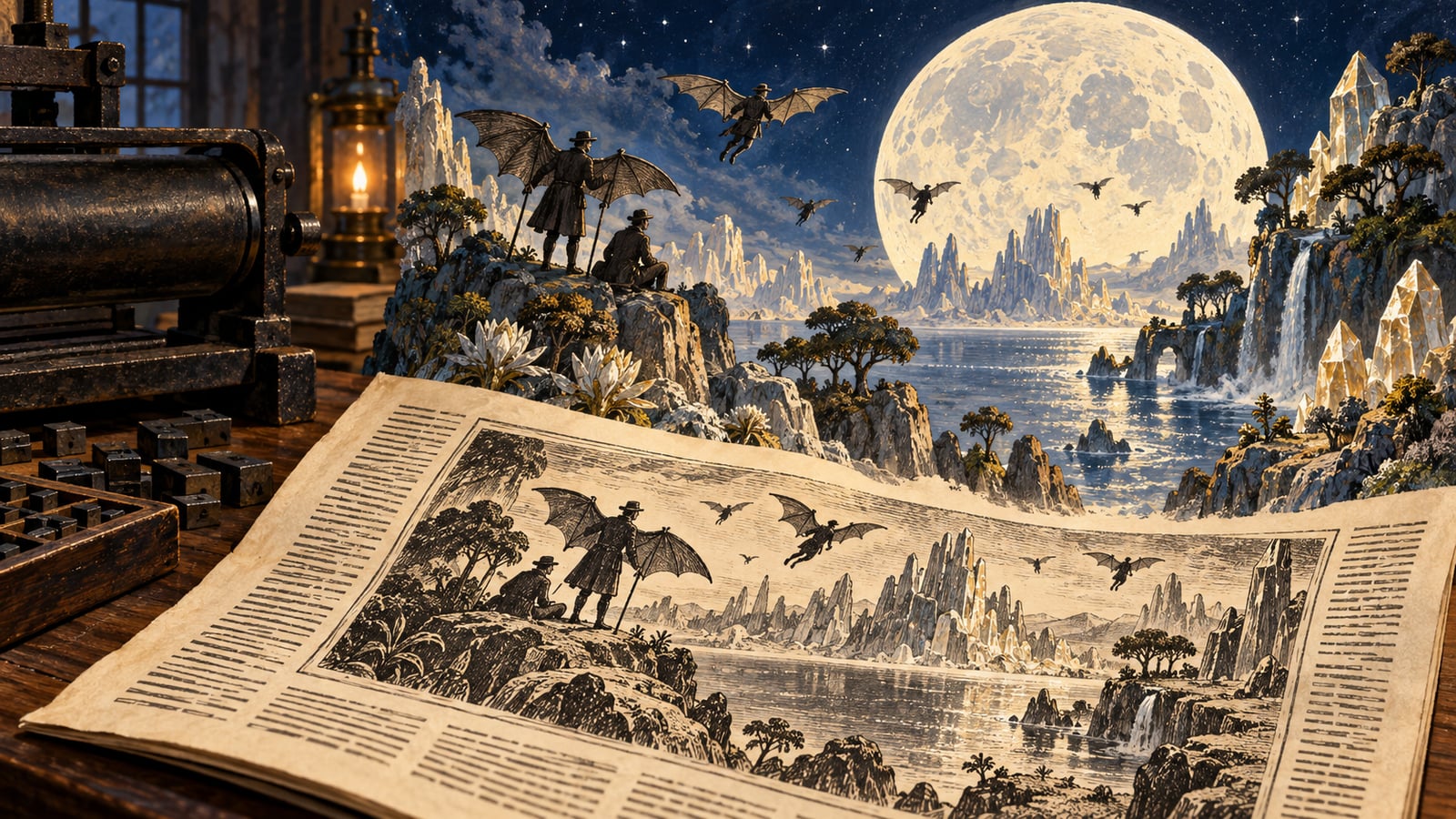
First came an immense telescope, then lunar forests and animals. By the fourth installment, the Sun's invented discoveries included winged people.
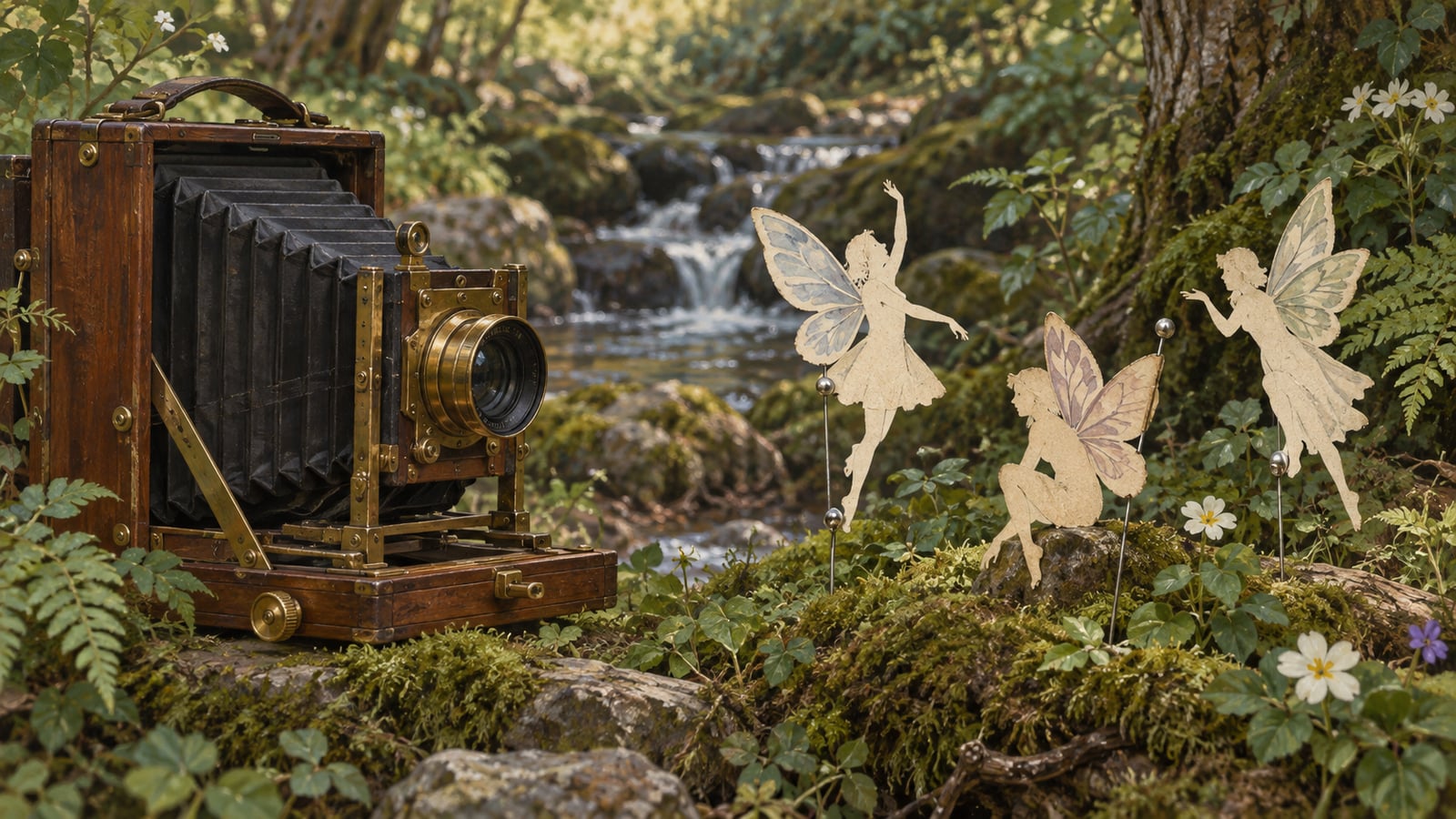
Experts inspected the negatives. New cameras and secretly marked plates followed. None of those precautions prevented paper fairies from appearing before the lens.
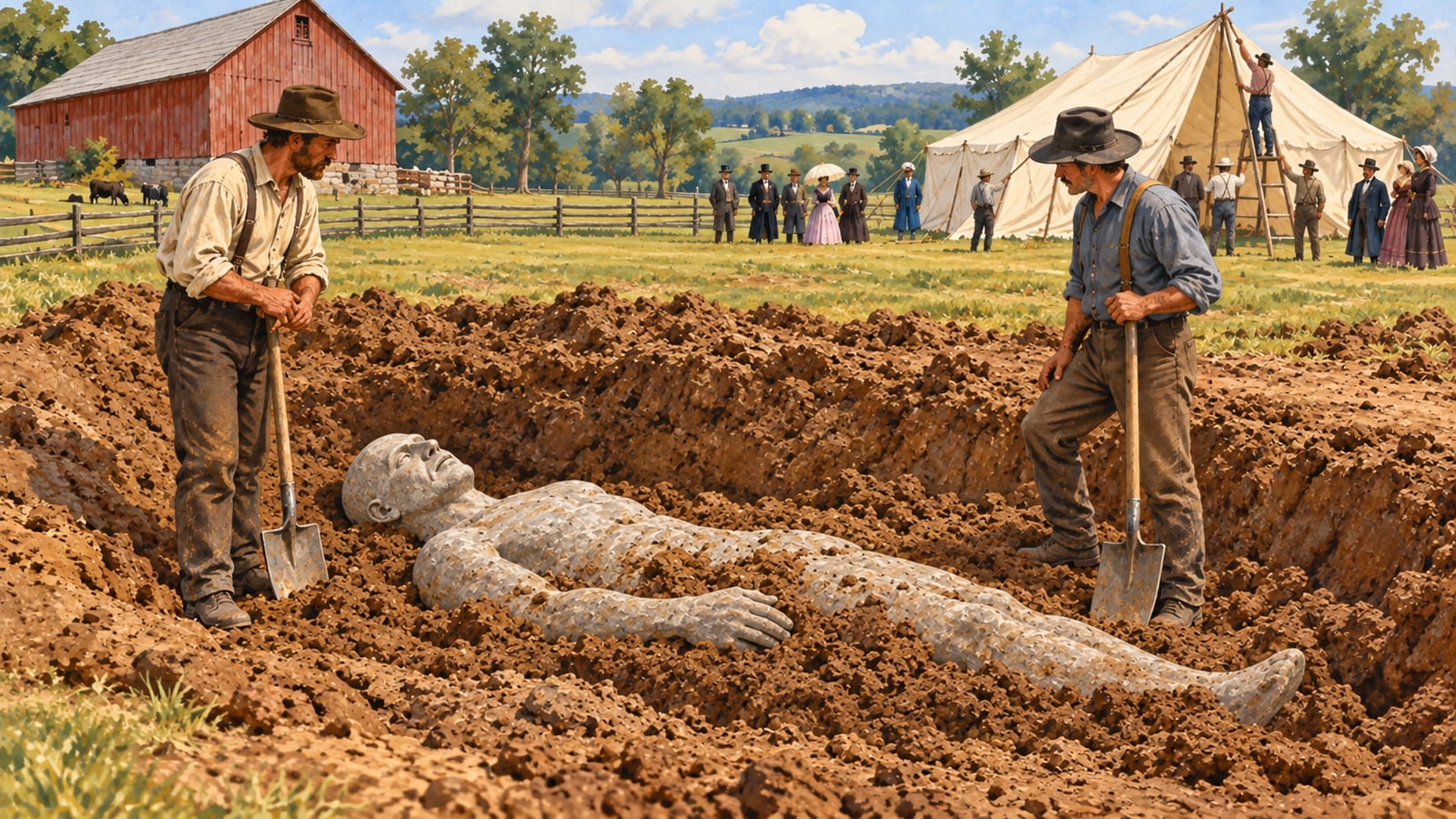
A carved giant was aged, buried and discovered for paying spectators. When Barnum could not obtain it, he introduced a competing copy of the hoax.
An interpreter supplied the mysterious stranger with a royal history. What exposed Princess Caraboo was not linguistic expertise, but recognition by a former host.
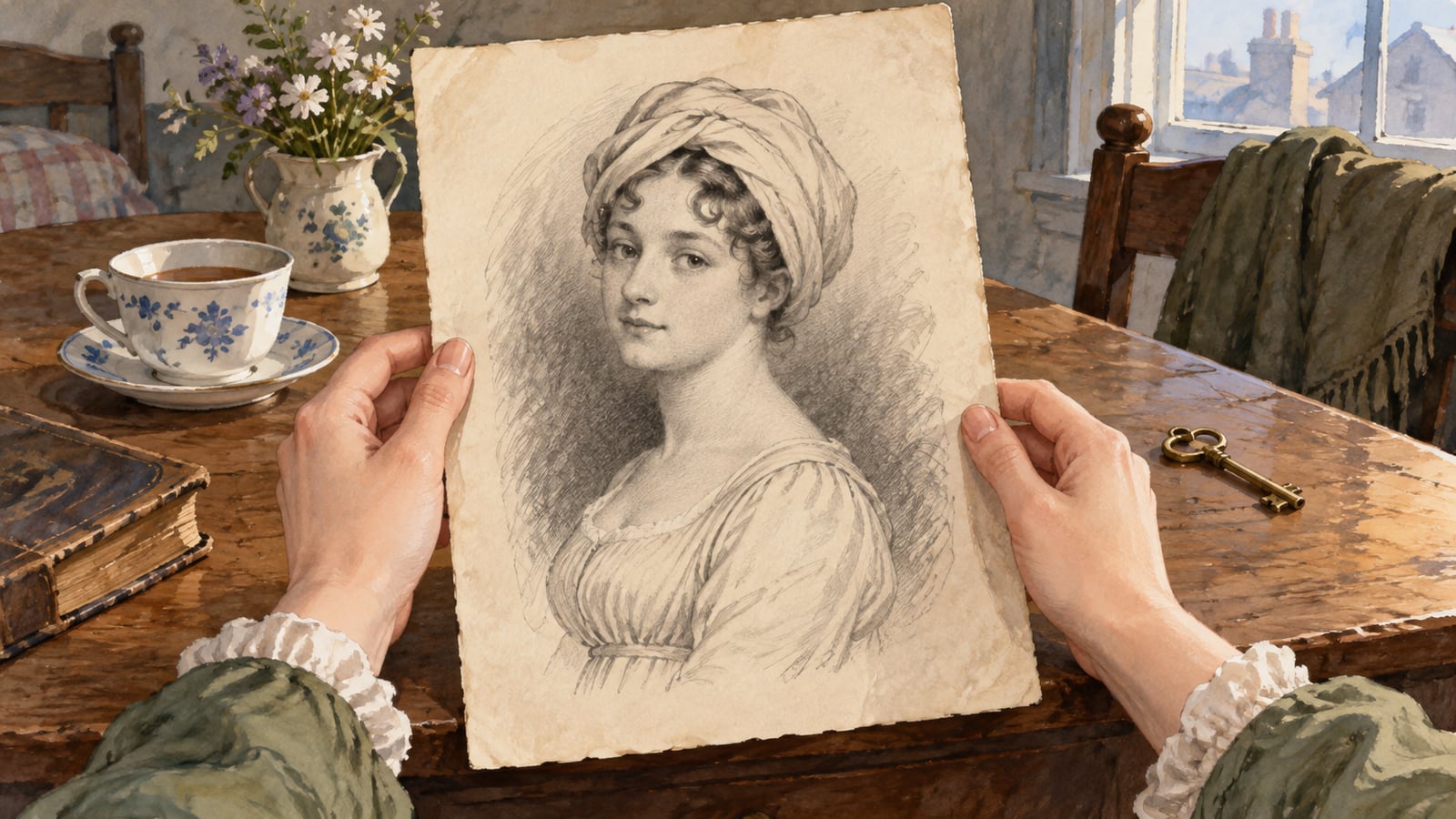
Edward Jones was found beneath a royal sofa and confined for three months. Soon after his release, he was caught inside the palace again—this time with food.
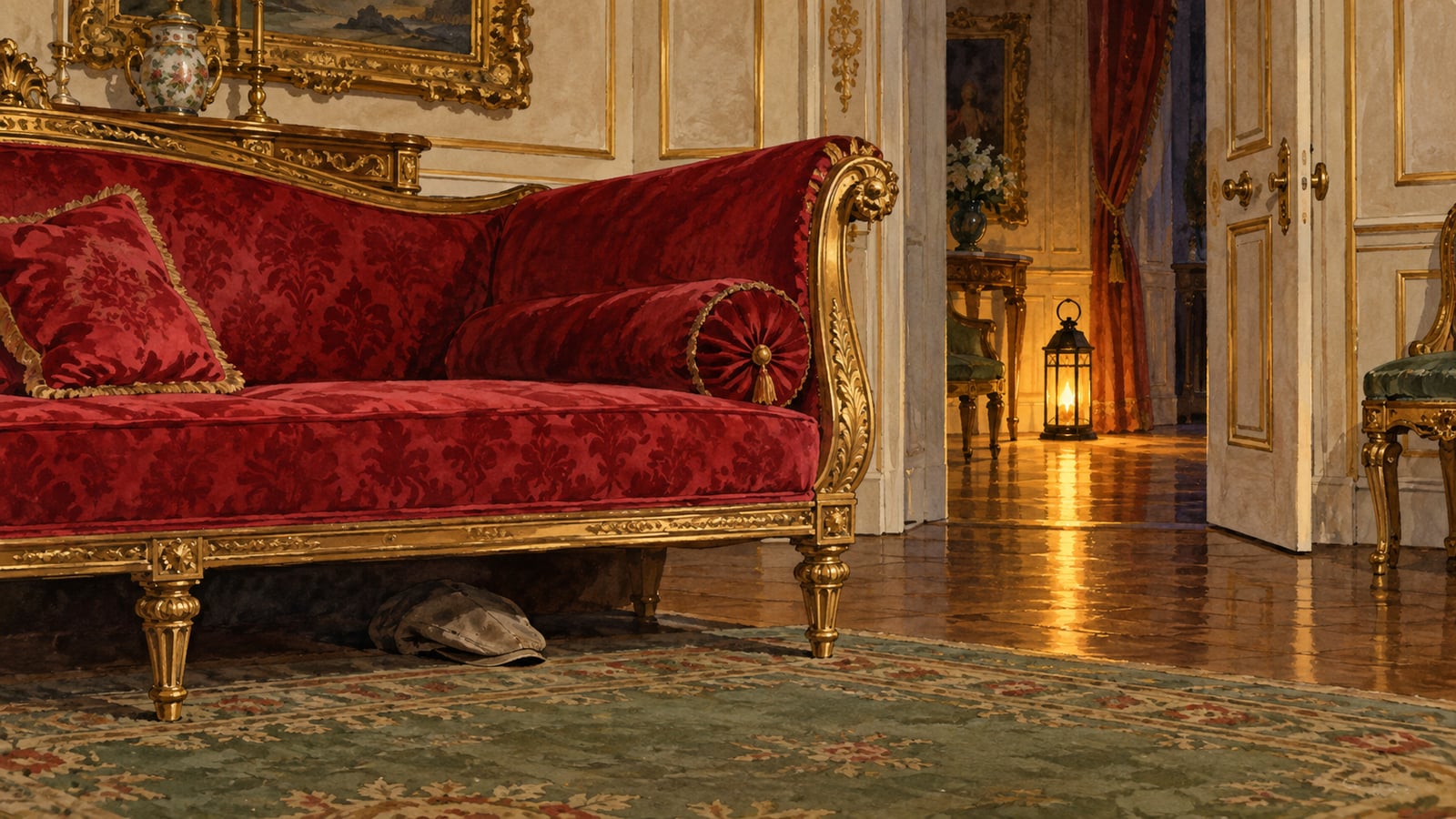
May Pierstorff traveled with the mail in 1914, accompanied by a relative working on the train. Her unusual fare grew into one of postal history's best-known stories.
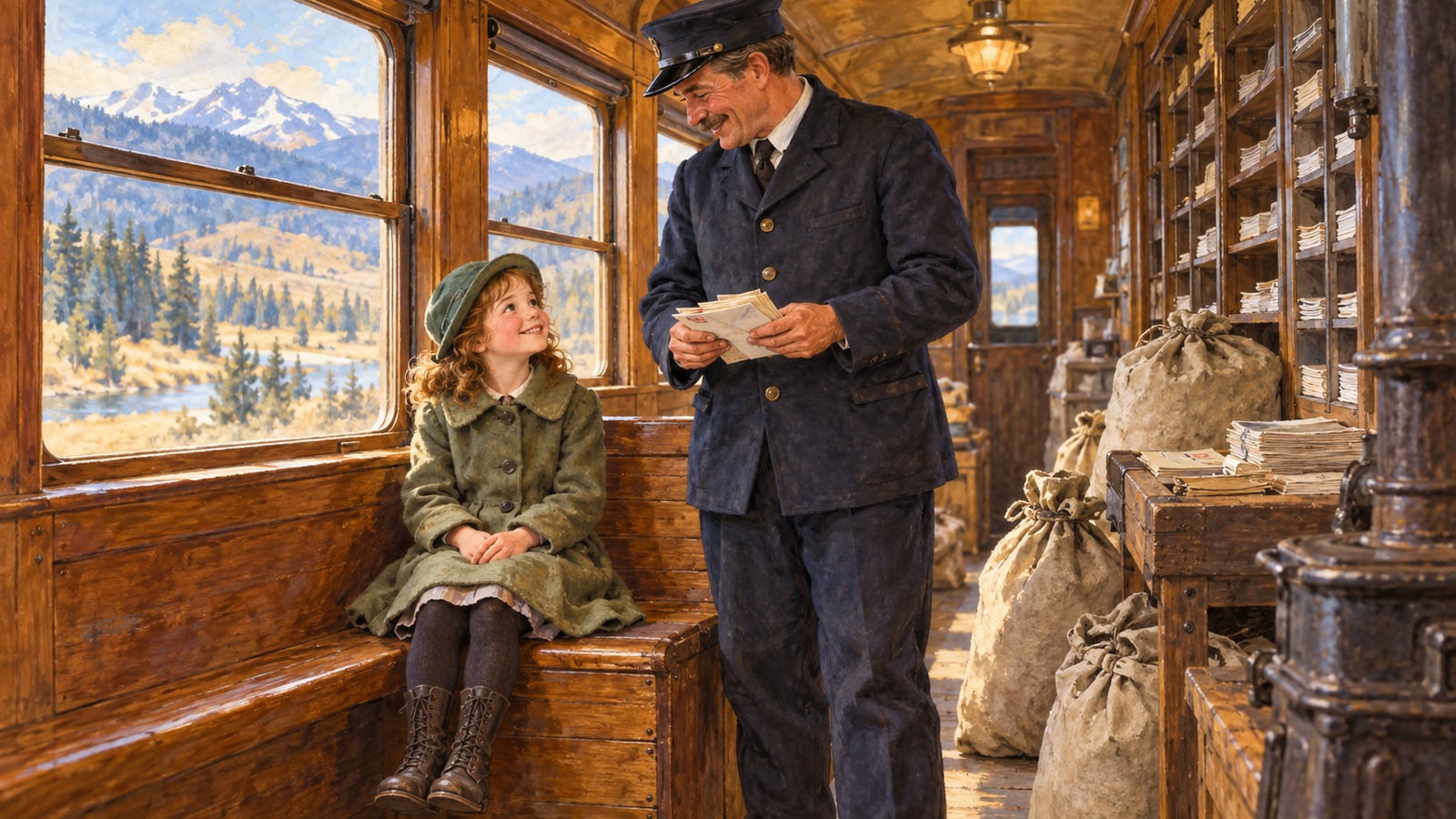
Poyais came with maps, land certificates and its own currency. Emigrants who crossed the Atlantic discovered that the promised settlement existed on paper.
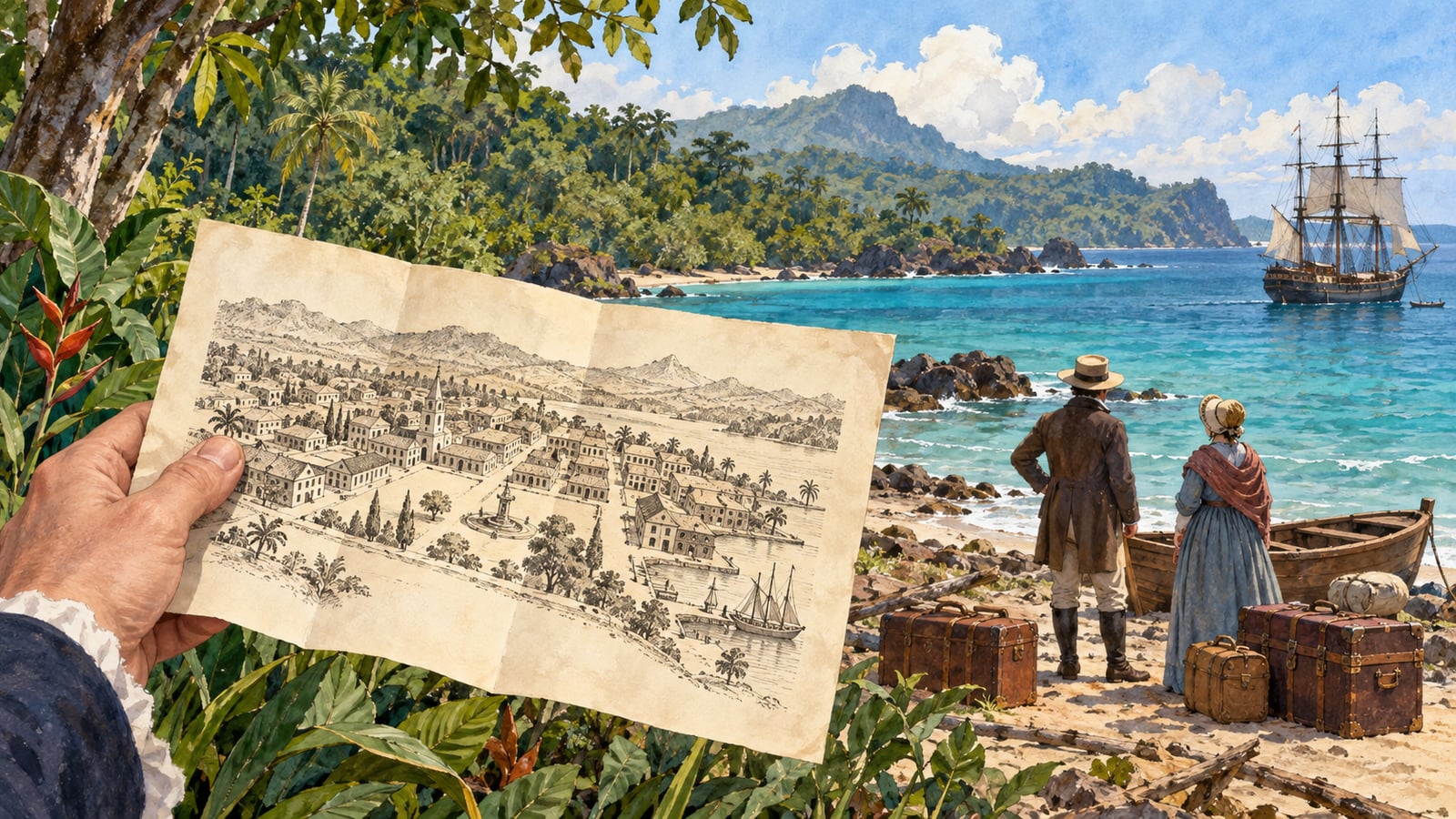
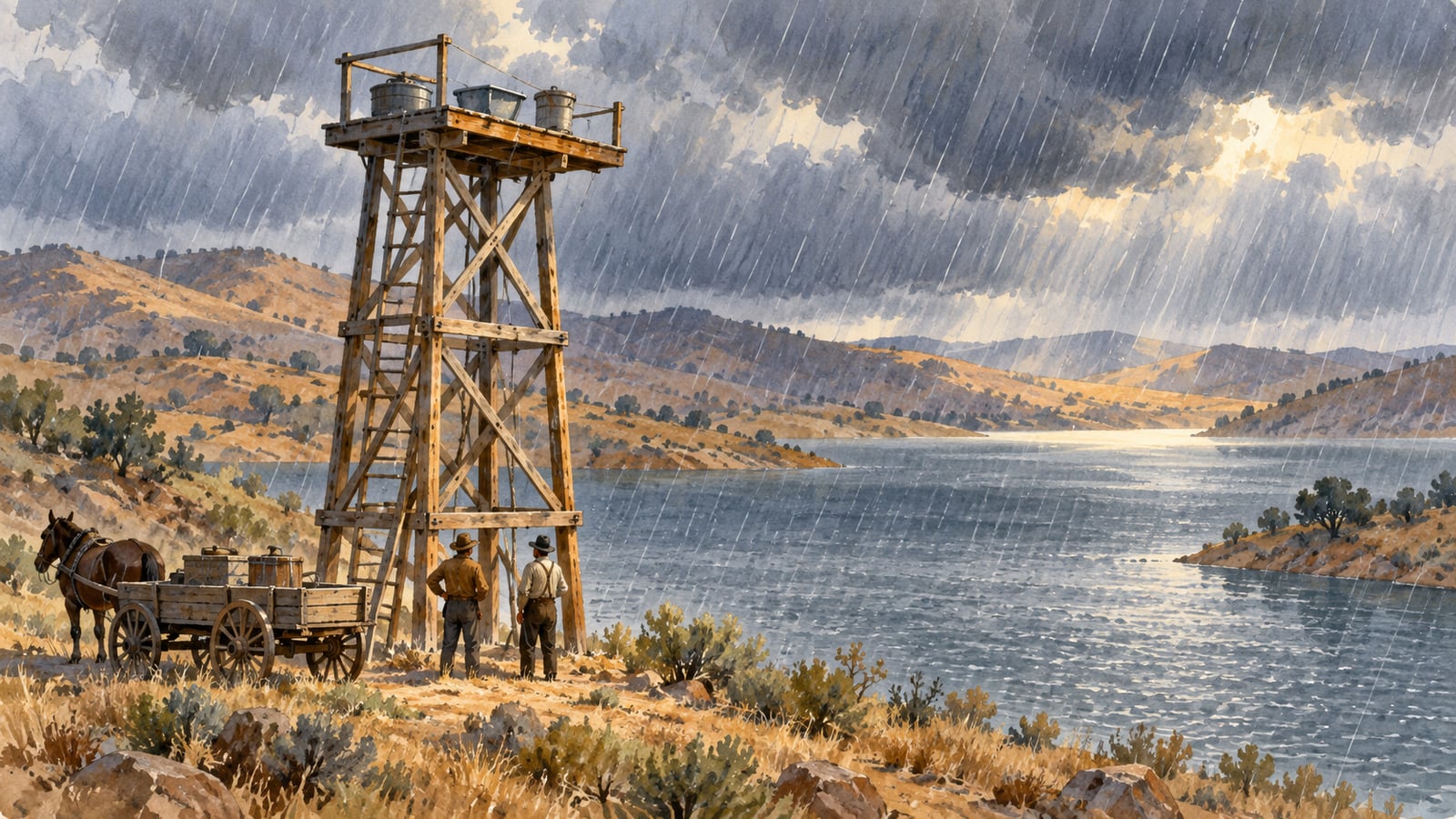
Charles Hatfield wanted $10,000 for filling a reservoir. After devastating storms, collecting the fee meant confronting a much larger question of responsibility.
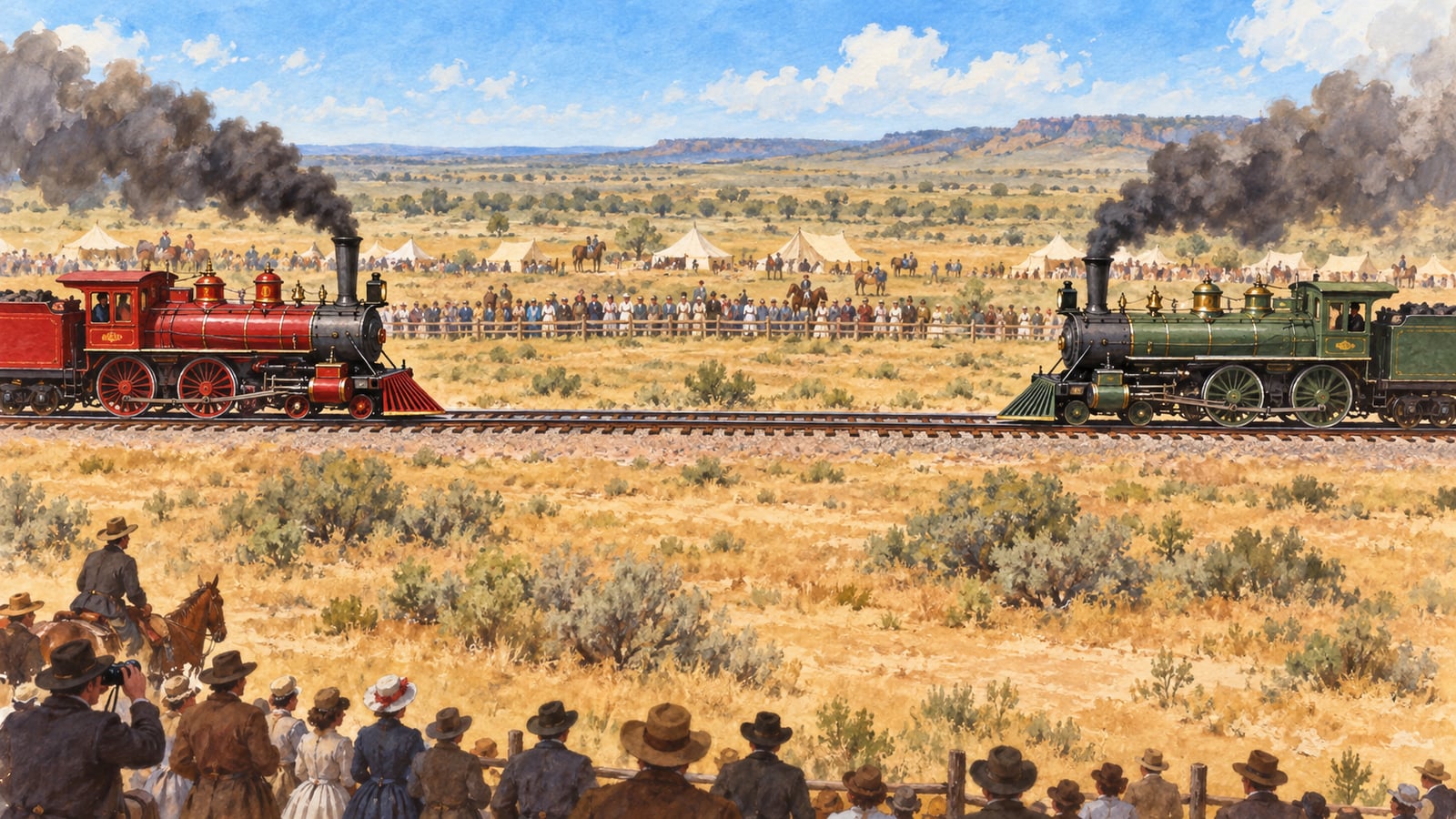
A temporary town welcomed spectators to a staged train wreck in Texas. When the locomotives' boilers exploded, the railroad's promotion became a disaster.
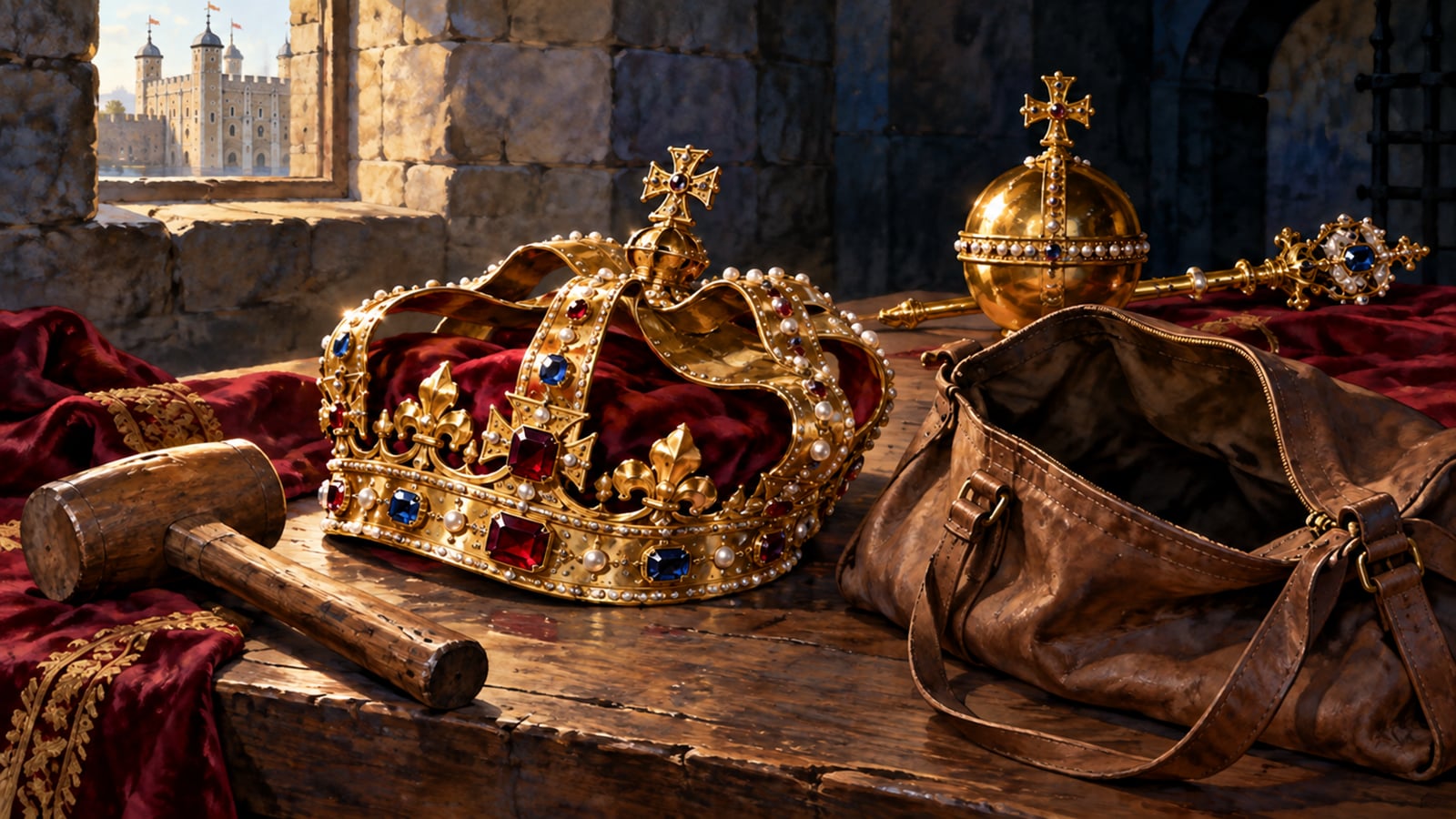
Thomas Blood cultivated the keeper's friendship before attempting his theft. The plan failed, but the royal pardon that followed made the story stranger still.
Larry Walters brought a BB gun to help his balloon-powered lawn chair descend. Then the chair climbed far higher than planned—and he dropped the gun.

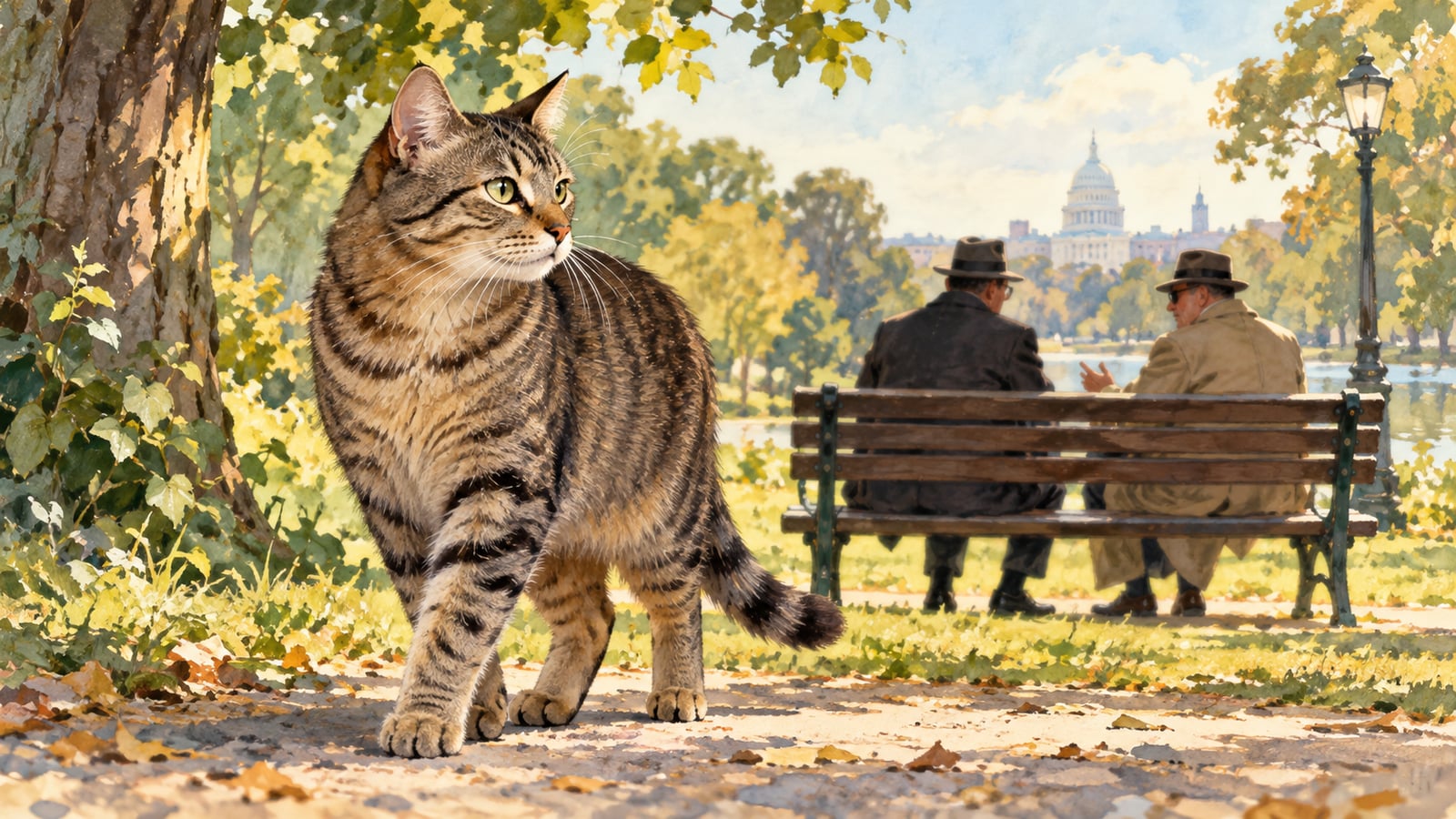
The hidden microphone worked. Getting the cat to take it to the right conversation was another problem. Inside the CIA's unusual attempt at animal espionage.
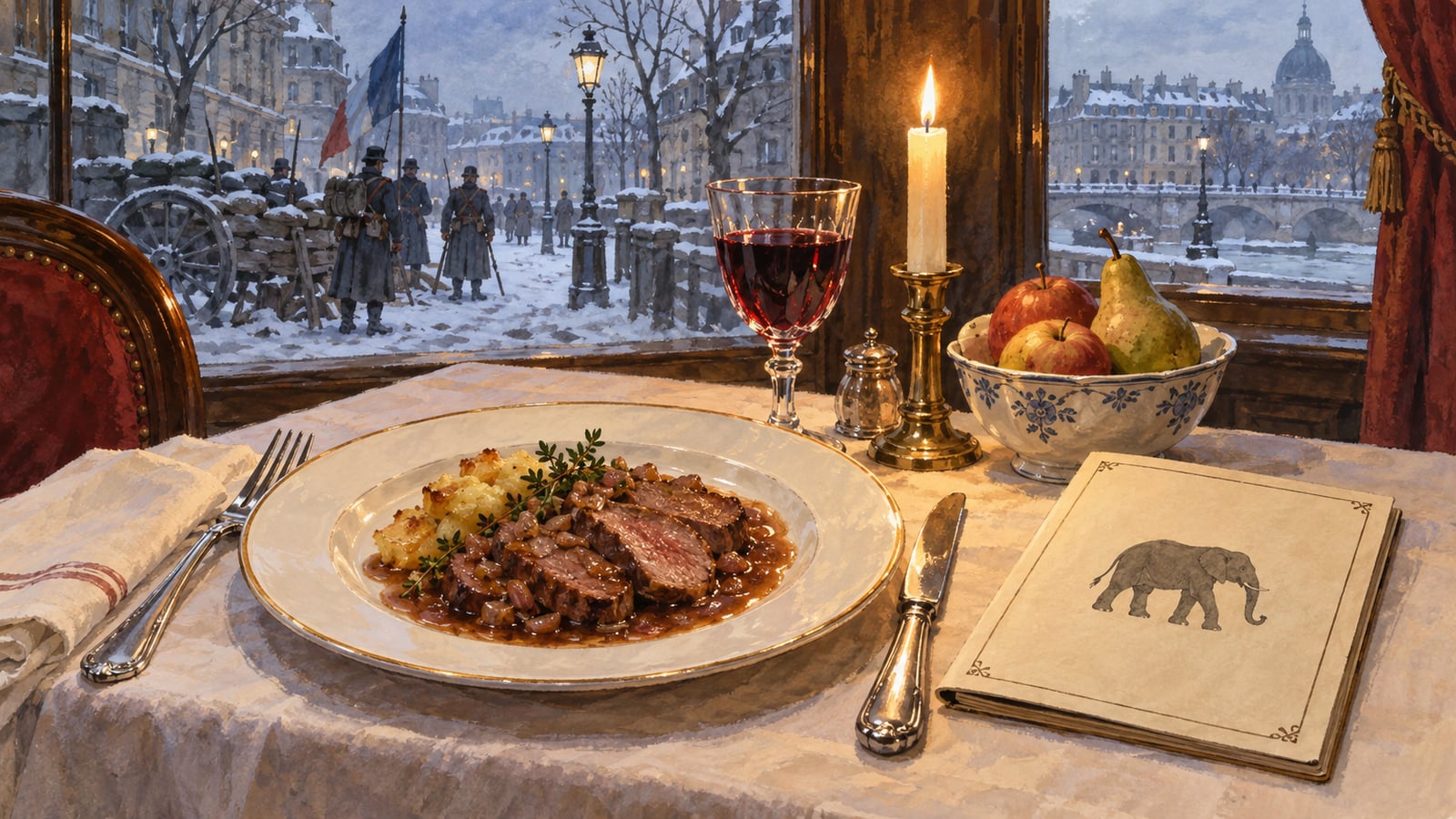
During the siege of Paris, zoo animals reached restaurant tables. A journalist who tasted elephant left an account of its flavour, its price and a city running out of cooking fuel.
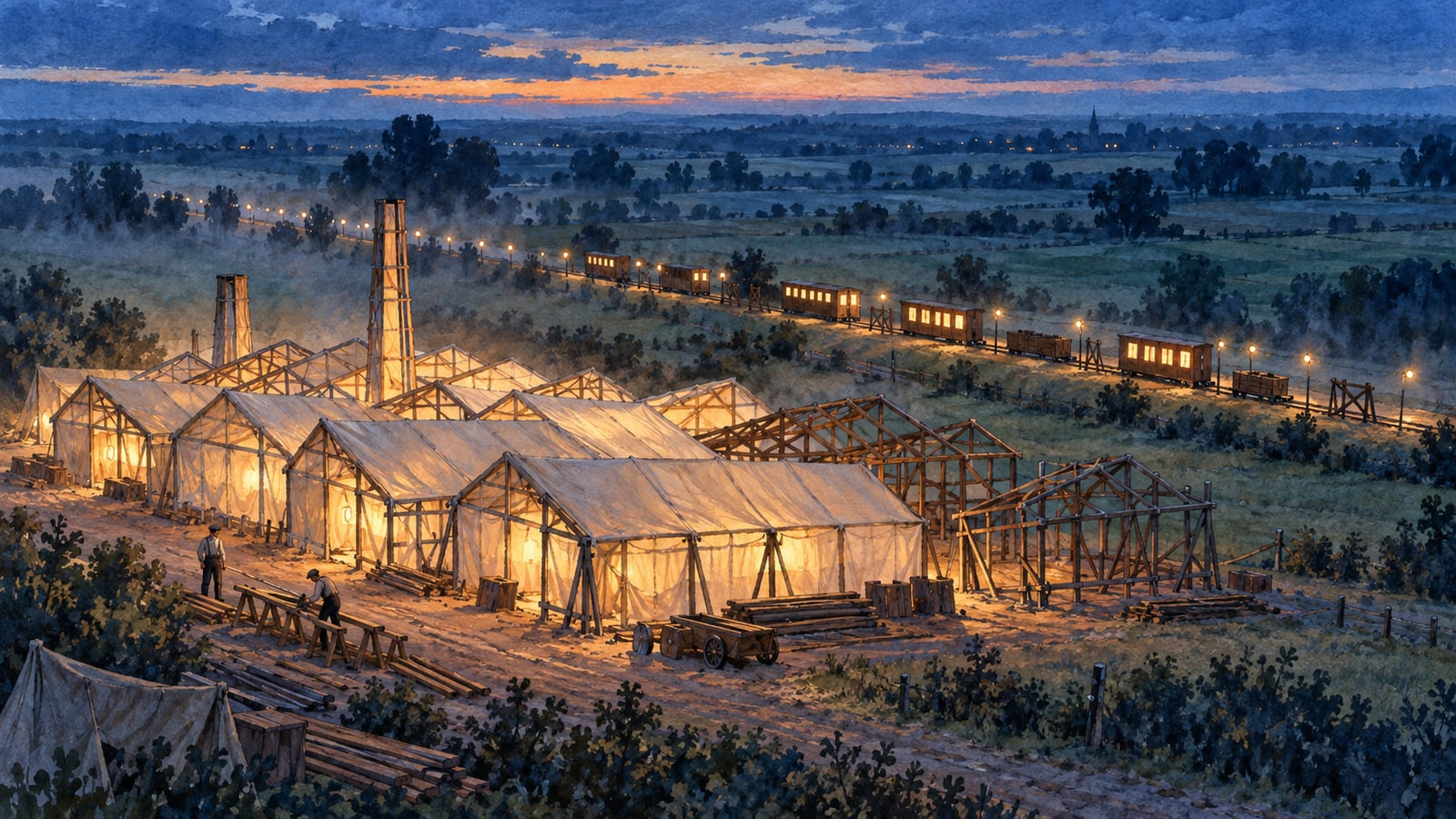
Sequenced lights would stand in for moving trains, and illuminated fabric would imitate factories. The unfinished 1918 decoy was designed for an audience in the night sky.
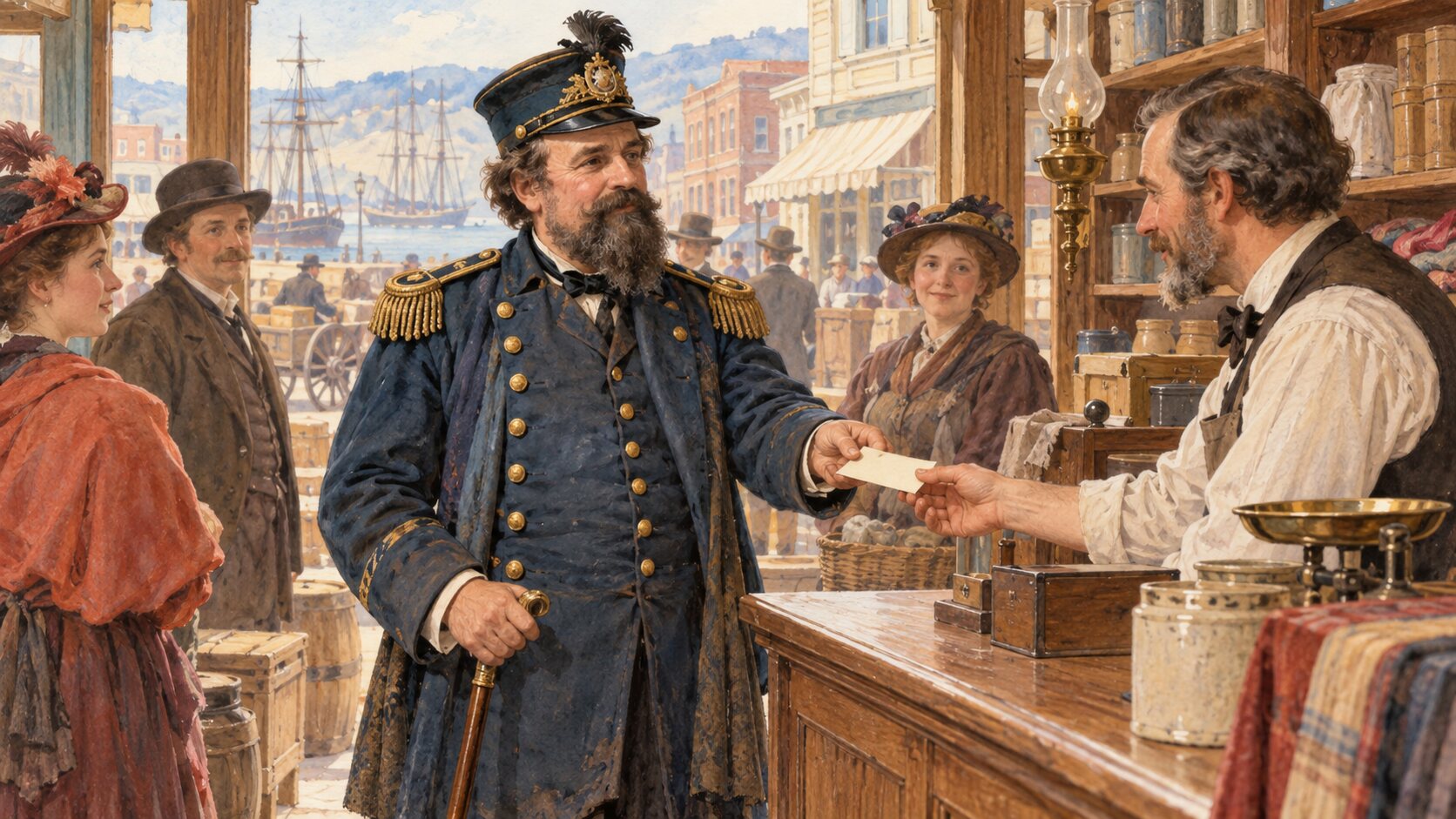
Joshua Norton declared himself Emperor of the United States in 1859. His decrees could not dissolve Congress, but his title found a place in San Francisco's shops, restaurants, and newspapers.
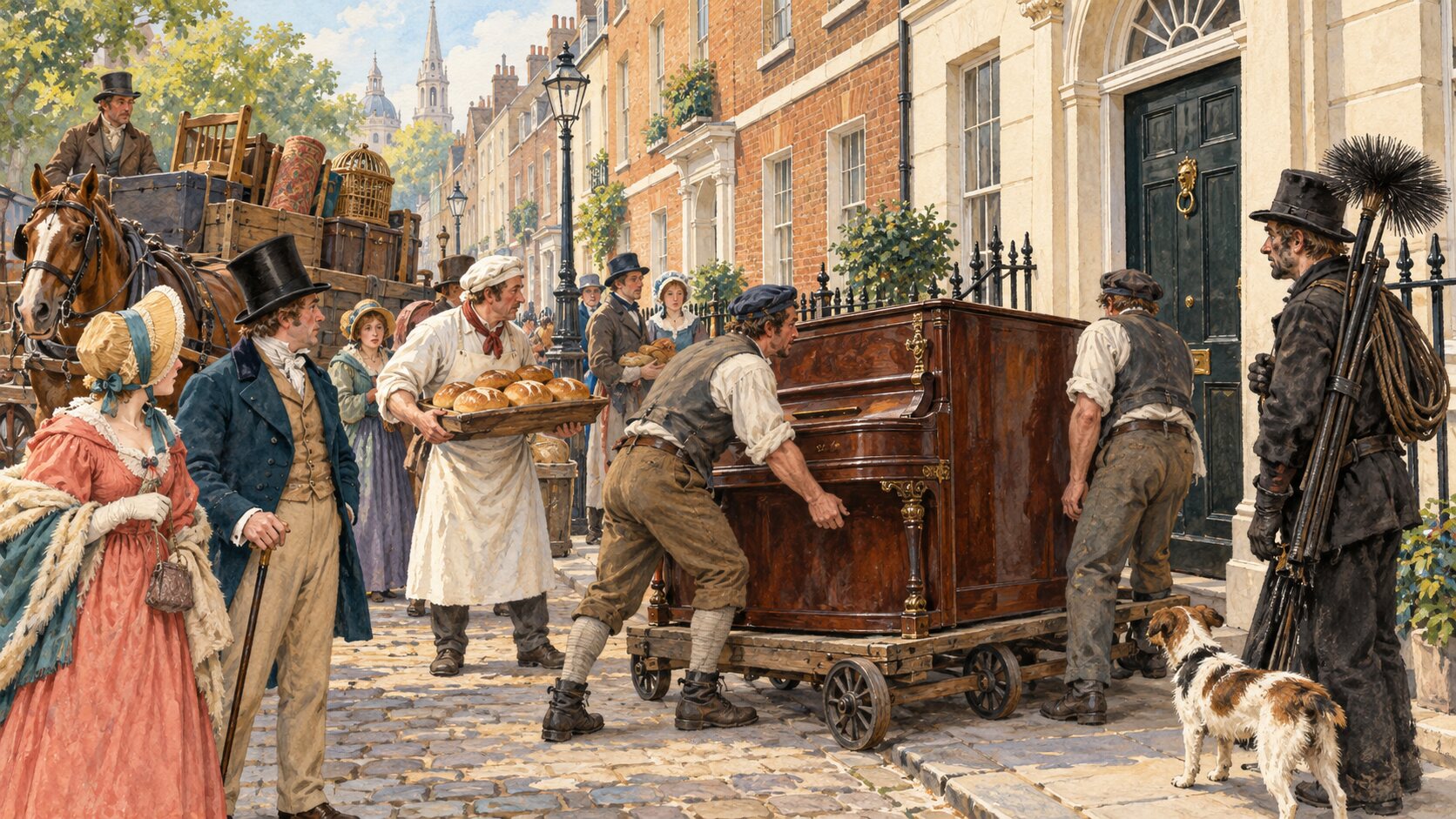
In 1810, false orders and invitations sent coal wagons, pianos, a coffin, and even London's Lord Mayor to one unsuspecting household. The Berners Street hoax filled a street with people who each believed they had legitimate business there.
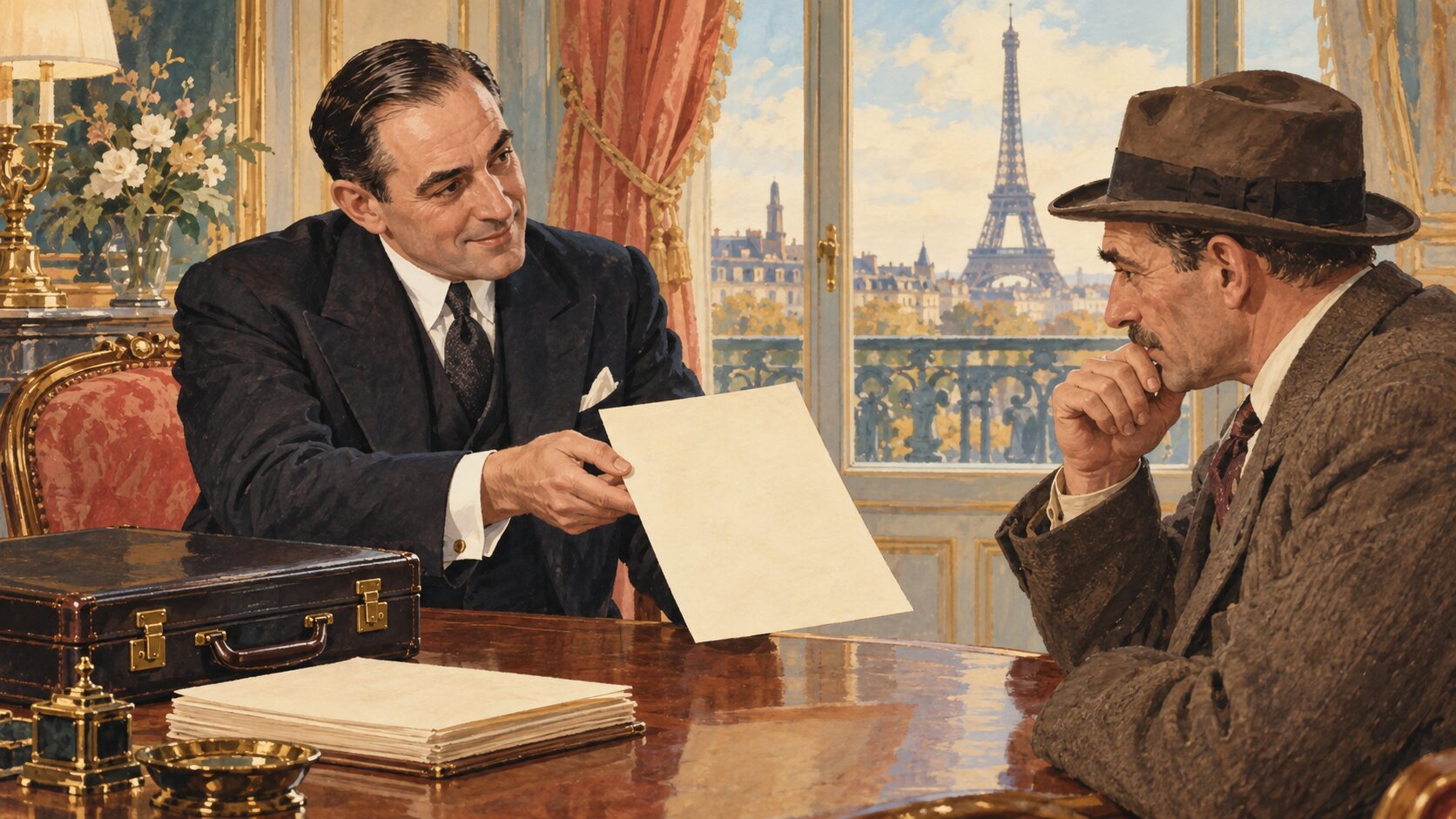
In 1925, Victor Lustig offered a scrap dealer the Eiffel Tower's iron. Forged government papers, an exclusive meeting and even a demand for a bribe helped turn a nonexistent demolition contract into a sale.
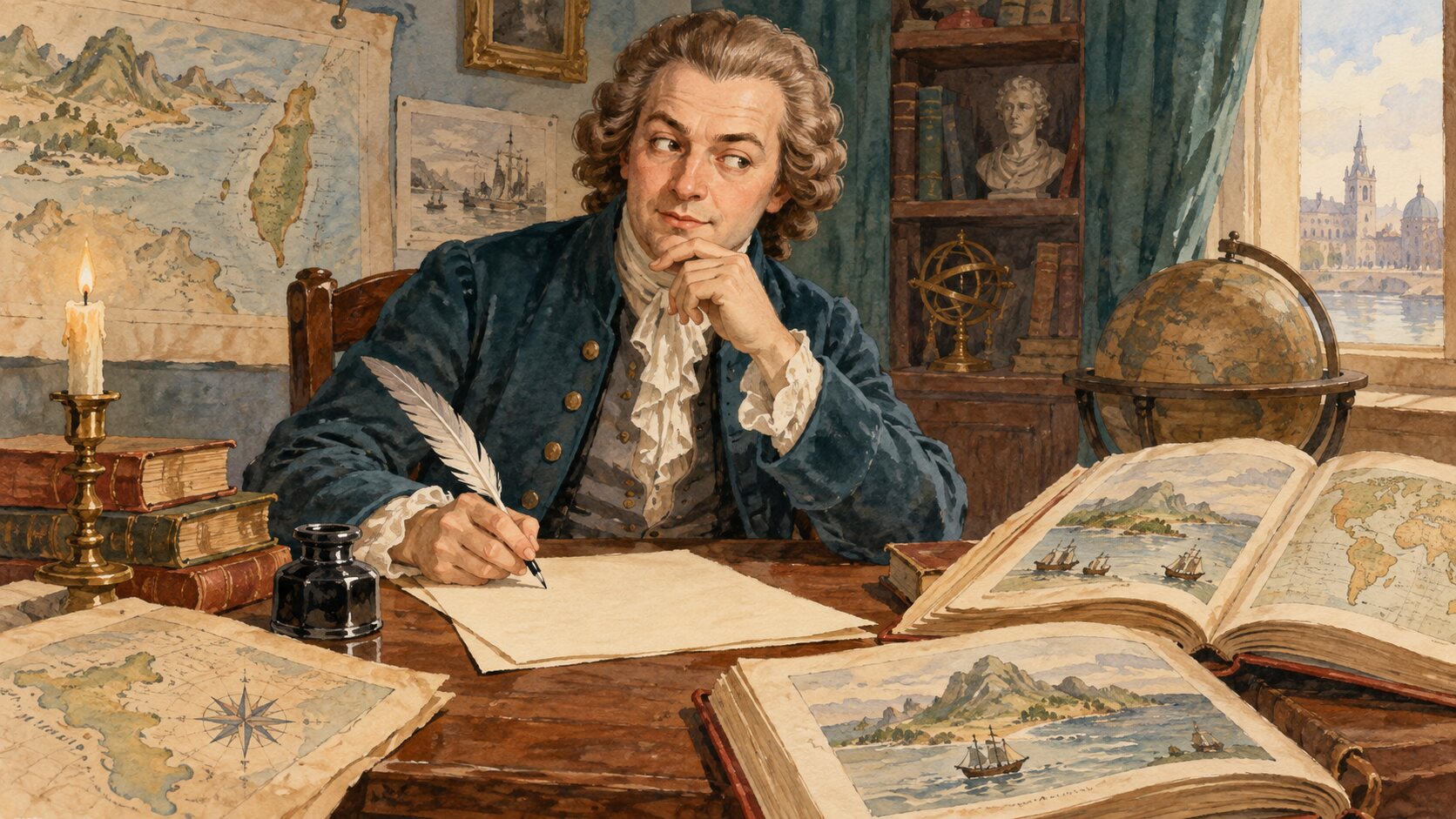
George Psalmanazar gave his false Formosan identity an alphabet, a grammar and translated religious texts. Translating the same passage twice nearly exposed the invention, but his imaginary homeland still became a published book.
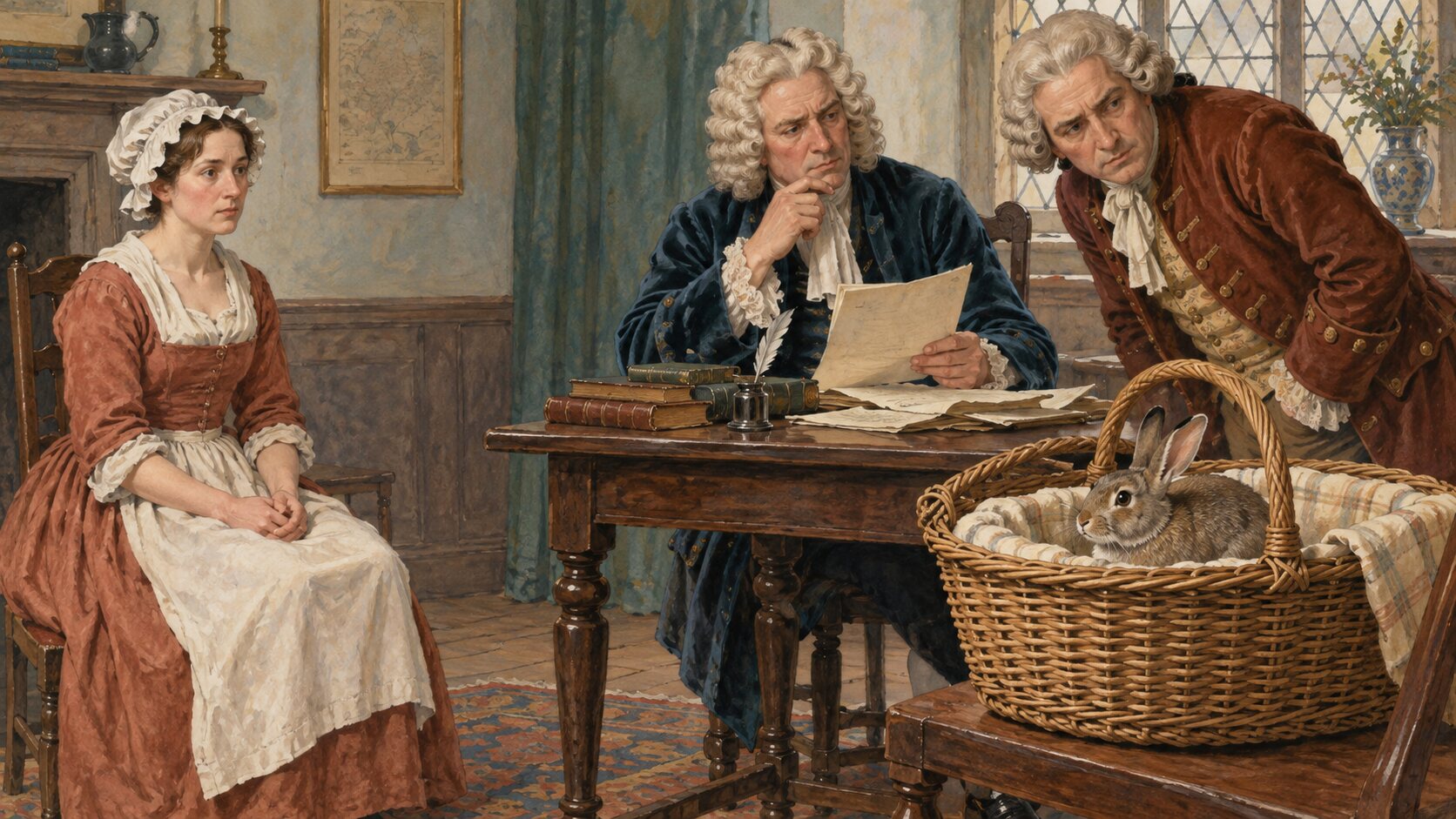
In 1726, reports that Mary Toft was giving birth to rabbits reached the British court. Surgeons examined animal specimens and disputed one another's findings, until a rabbit being secretly obtained in London became part of the investigation.
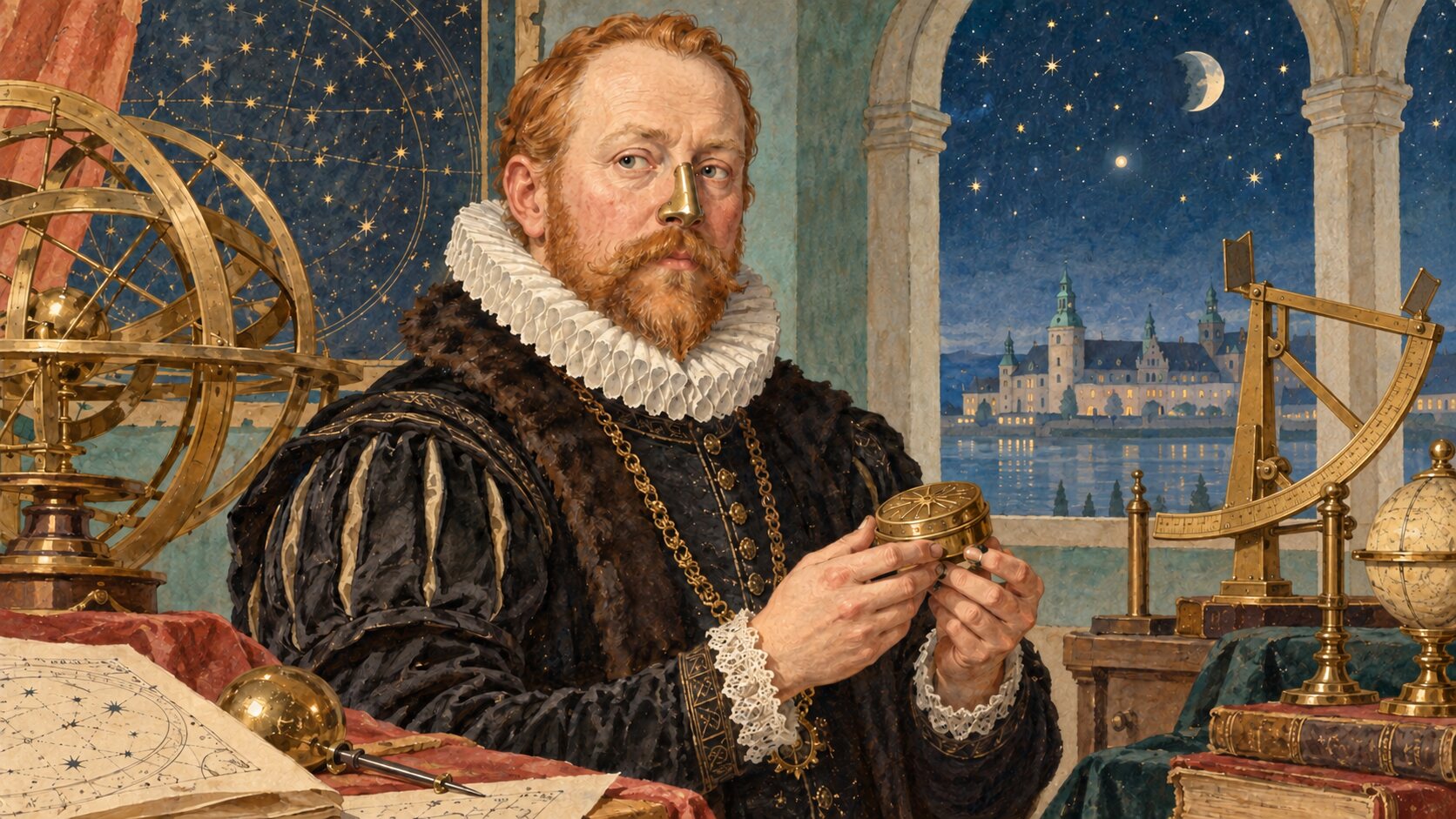
A student sword fight cost Tycho Brahe part of his nose. He covered the injury with a prosthesis, traditionally described as gold and silver, but later analysis of traces on his remains pointed to brass.
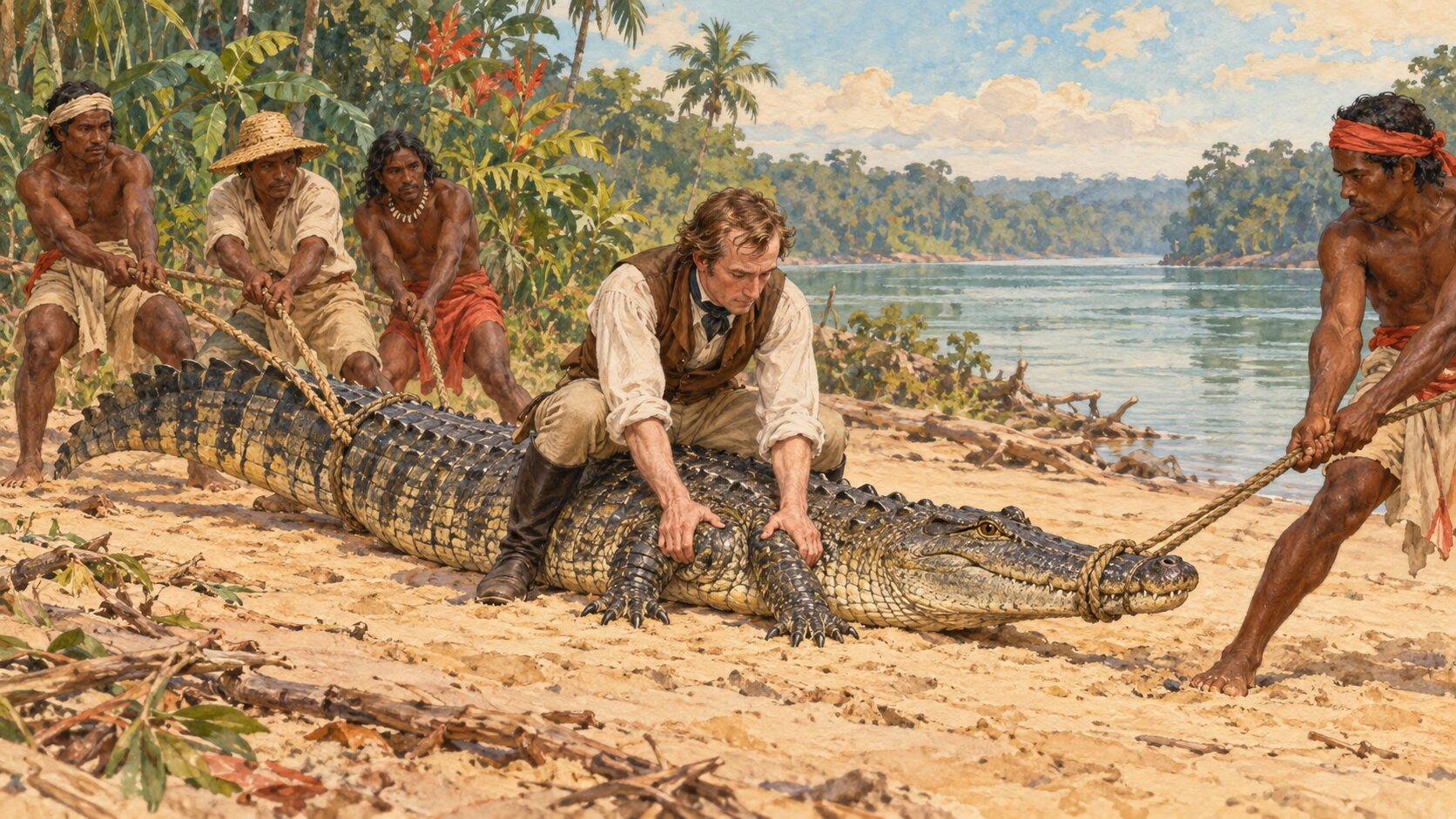
Waterton wanted a caiman specimen with an undamaged skin. His account of mounting its back begins with failed fishing gear, an Indigenous maker's wooden hook, and companions who opposed bringing the animal ashore alive.
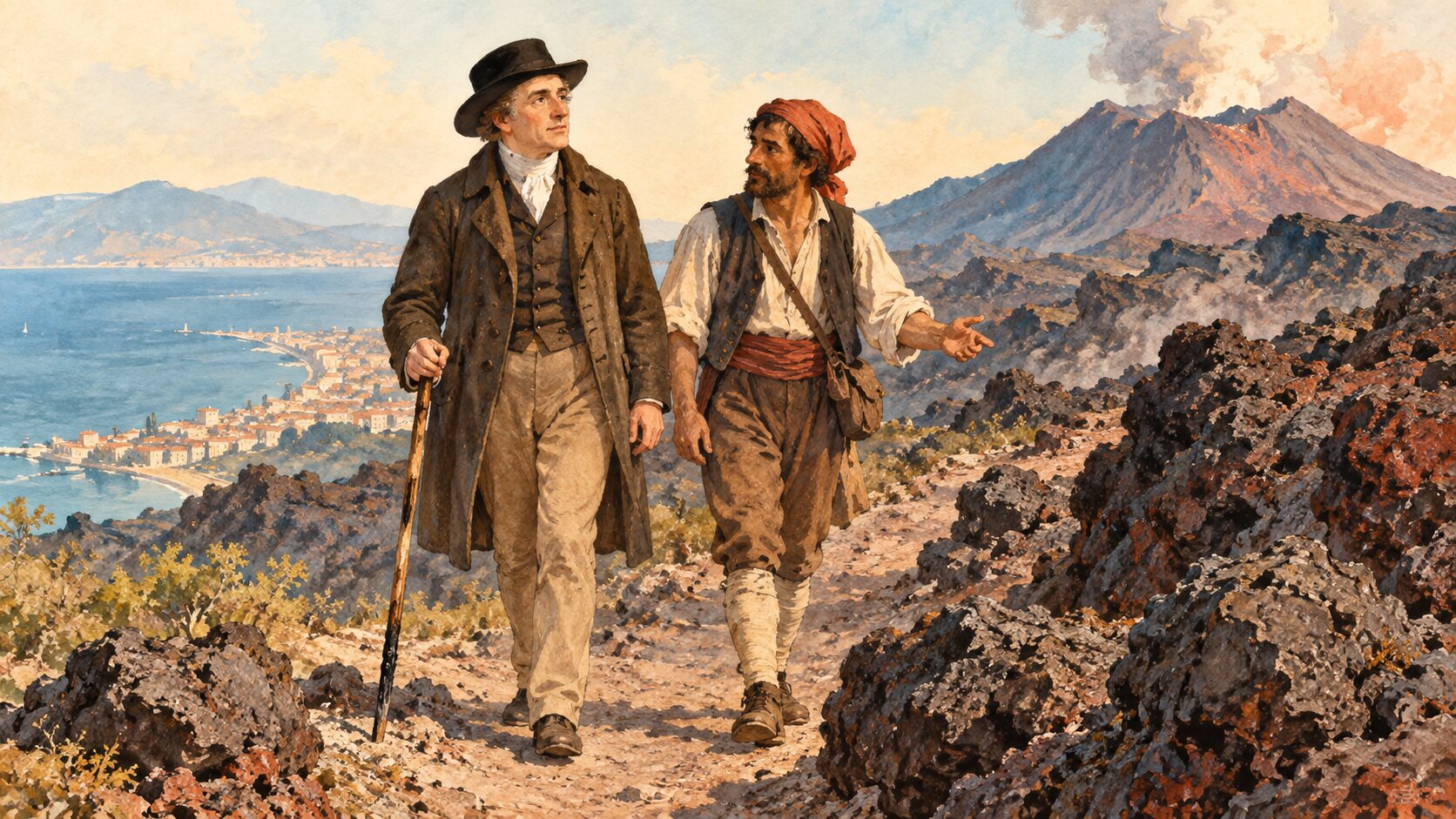
Former naval officer James Holman visited Vesuvius without sight. His account follows ash inside his shoes, heat underfoot, and a guide who scorched his cane but refused to take him to the upper crater before daylight.
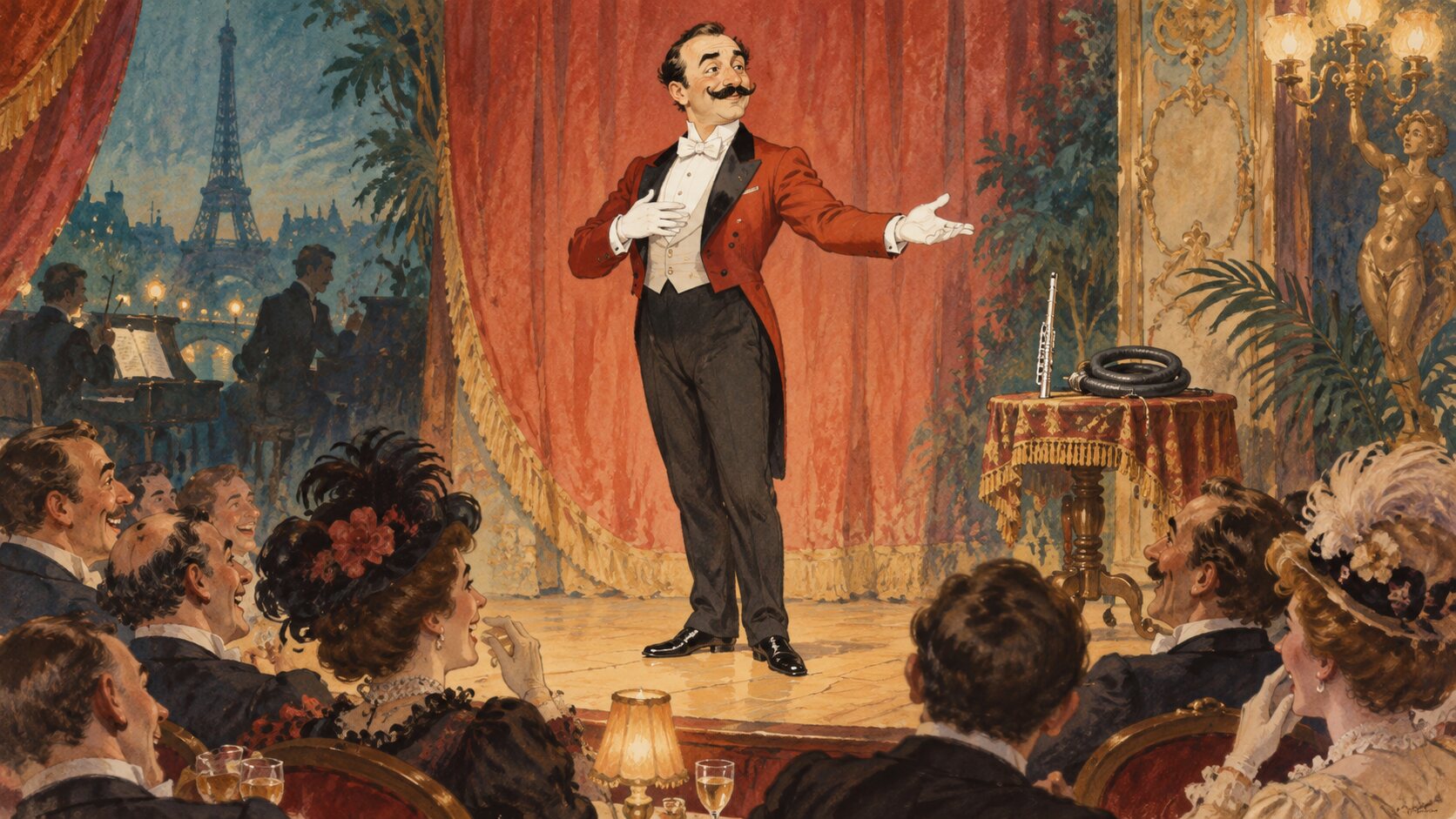
Joseph Pujol became a Moulin Rouge attraction by producing sounds with his backside and blowing a flute through a tube. His act used air drawn into his body, rather than ordinary intestinal gas. Doctors examined it, and disputes over the performance reached court.
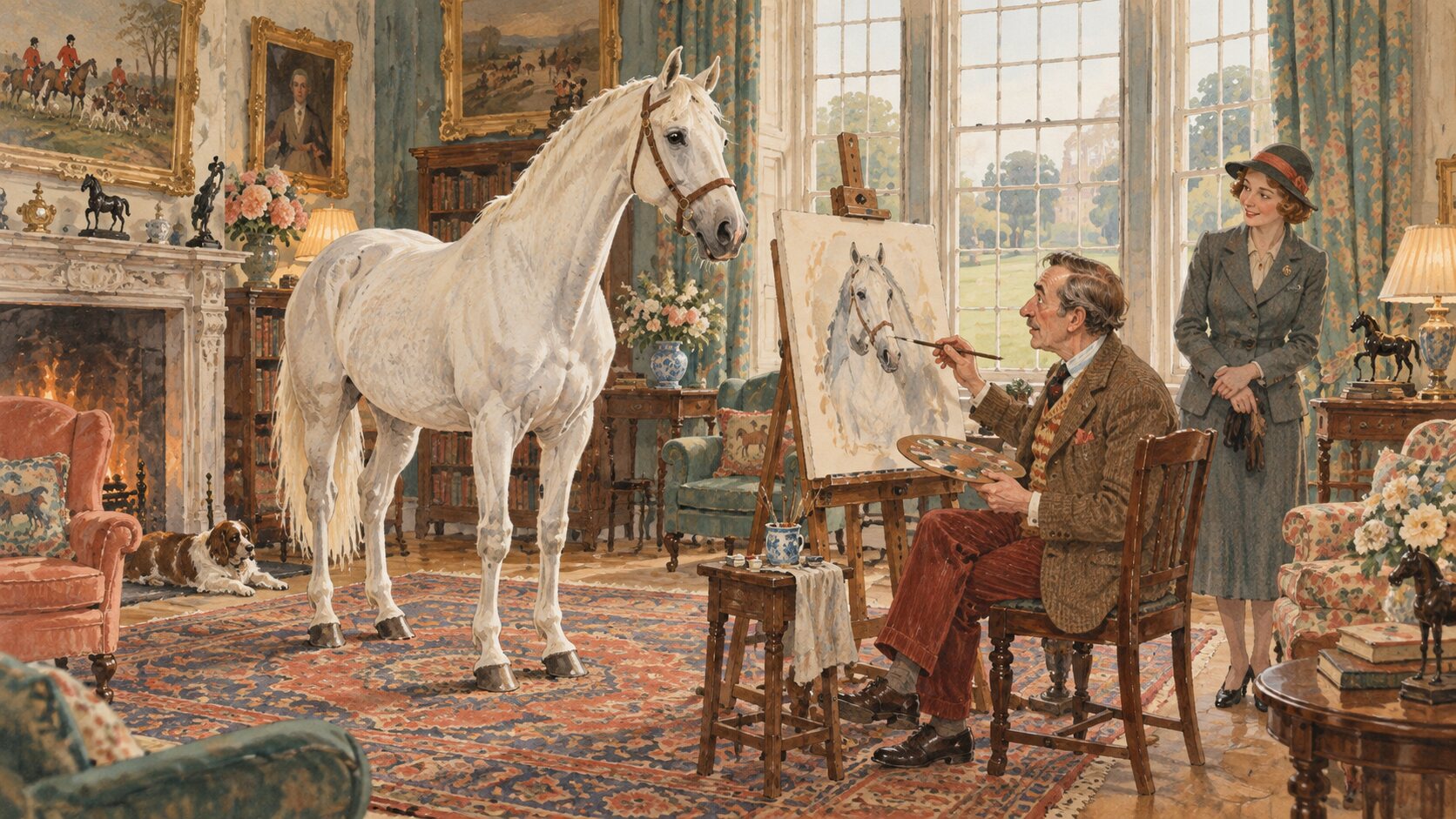
At Lord Berners’ Faringdon House, a guest’s horse came indoors and dyed pigeons flew outside. The artists who visited also worked there: the house helped produce a ballet, while its owner and his unusual surroundings entered Nancy Mitford’s fiction.
In 1884, Welsh physician William Price was arrested while attempting to cremate his infant son. His acquittal distinguished public opposition from grounds for a criminal charge, while preserving limits involving public nuisance and inquests. The funeral case also helped a wider cremation movement proceed.
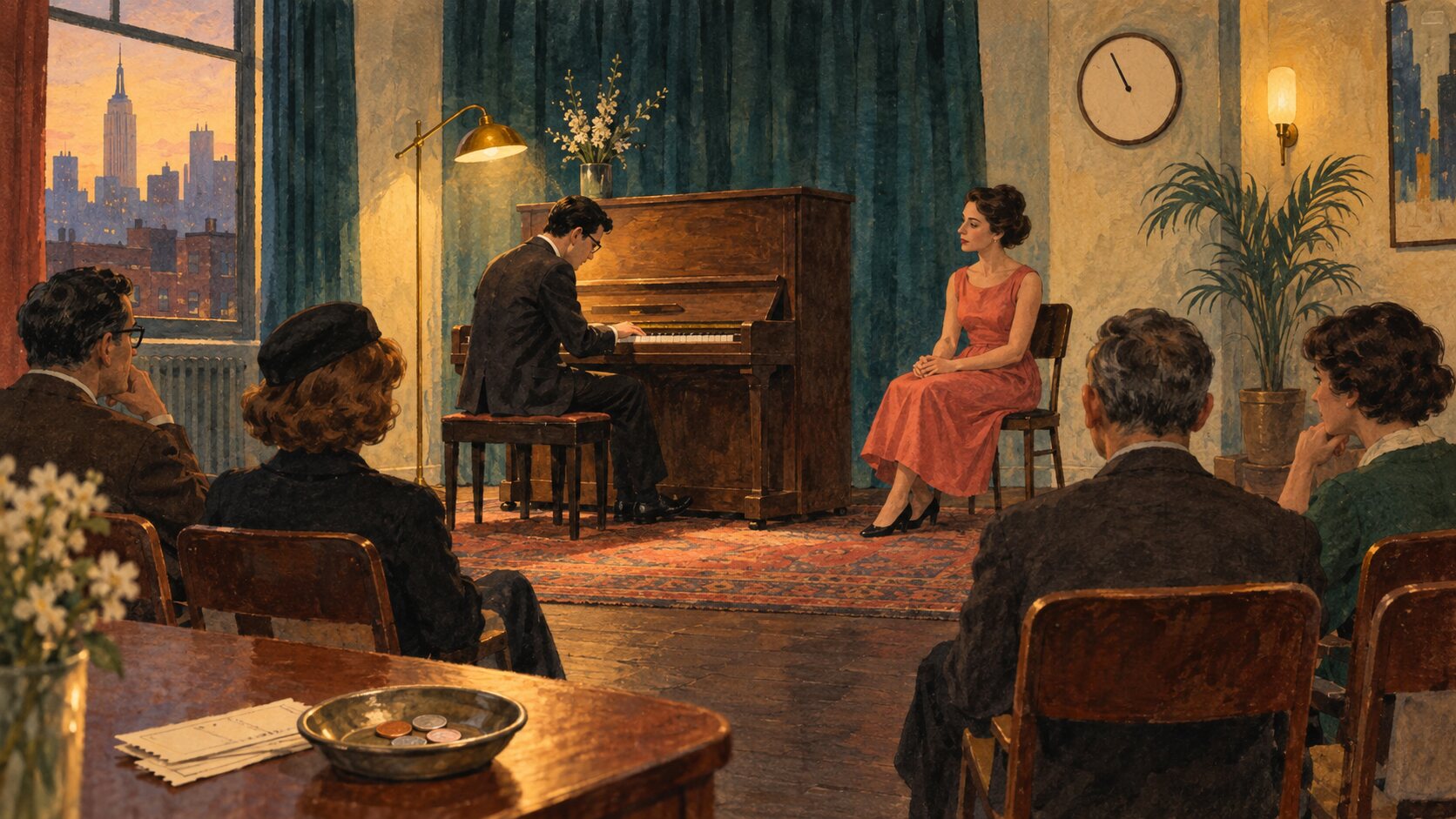
At New York's Pocket Theatre in 1963, relay pianists played Satie's short Vexations 840 times. The audience could earn back five cents of the ticket price for every twenty minutes they stayed.
Feynman would open a safe, then spend a while reading a magazine so the job looked harder. His hobby also exposed the security habits of an atomic-bomb laboratory.

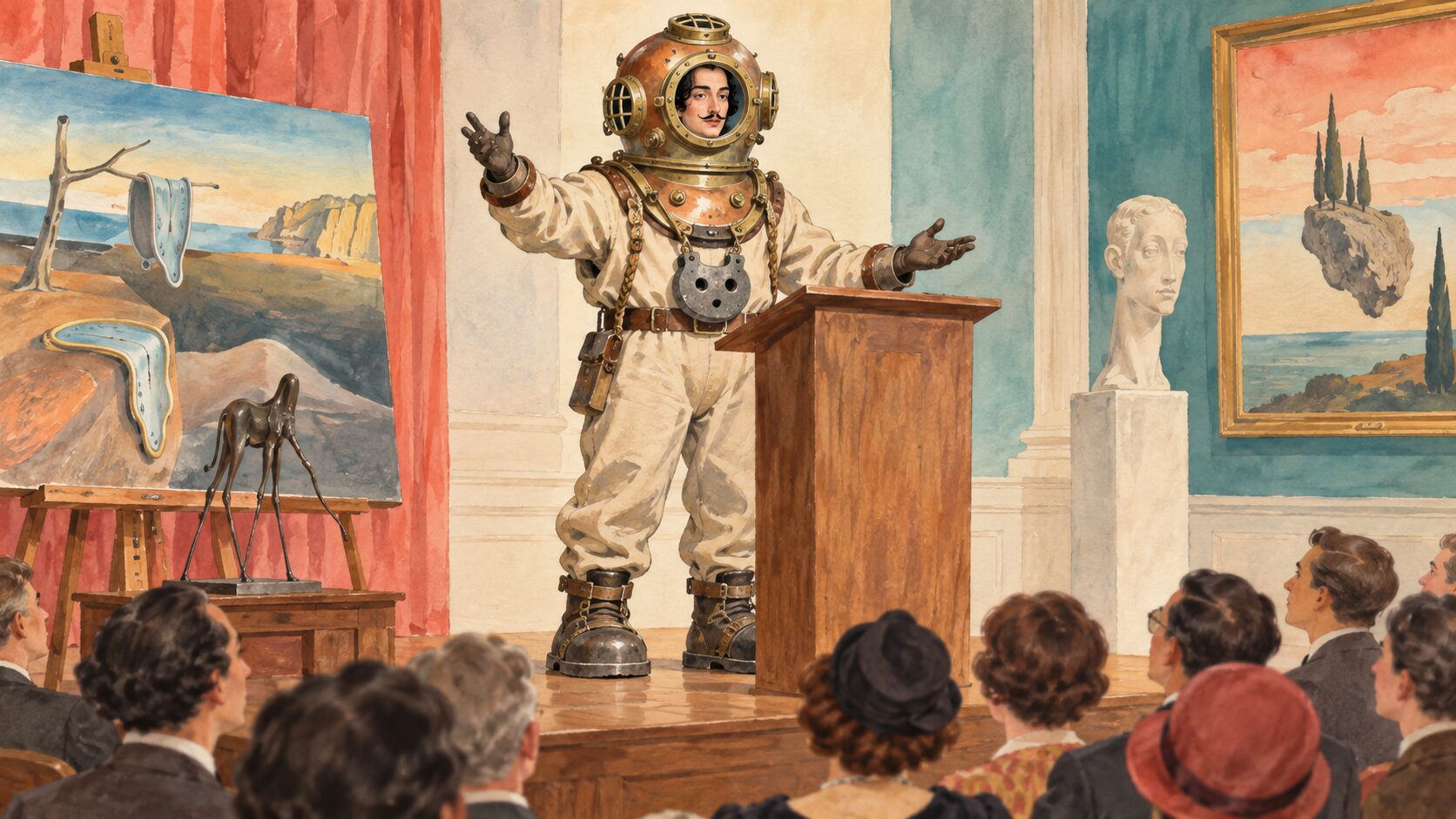
Dalí dressed as a diver to explain the subconscious, then struggled to breathe inside the helmet. Once freed, he continued a lecture whose strange images extended well beyond his costume.
Byron brought a bear to a college that banned dogs, then proposed an academic career for it. When a magazine mocked the animal, its owner answered in print.

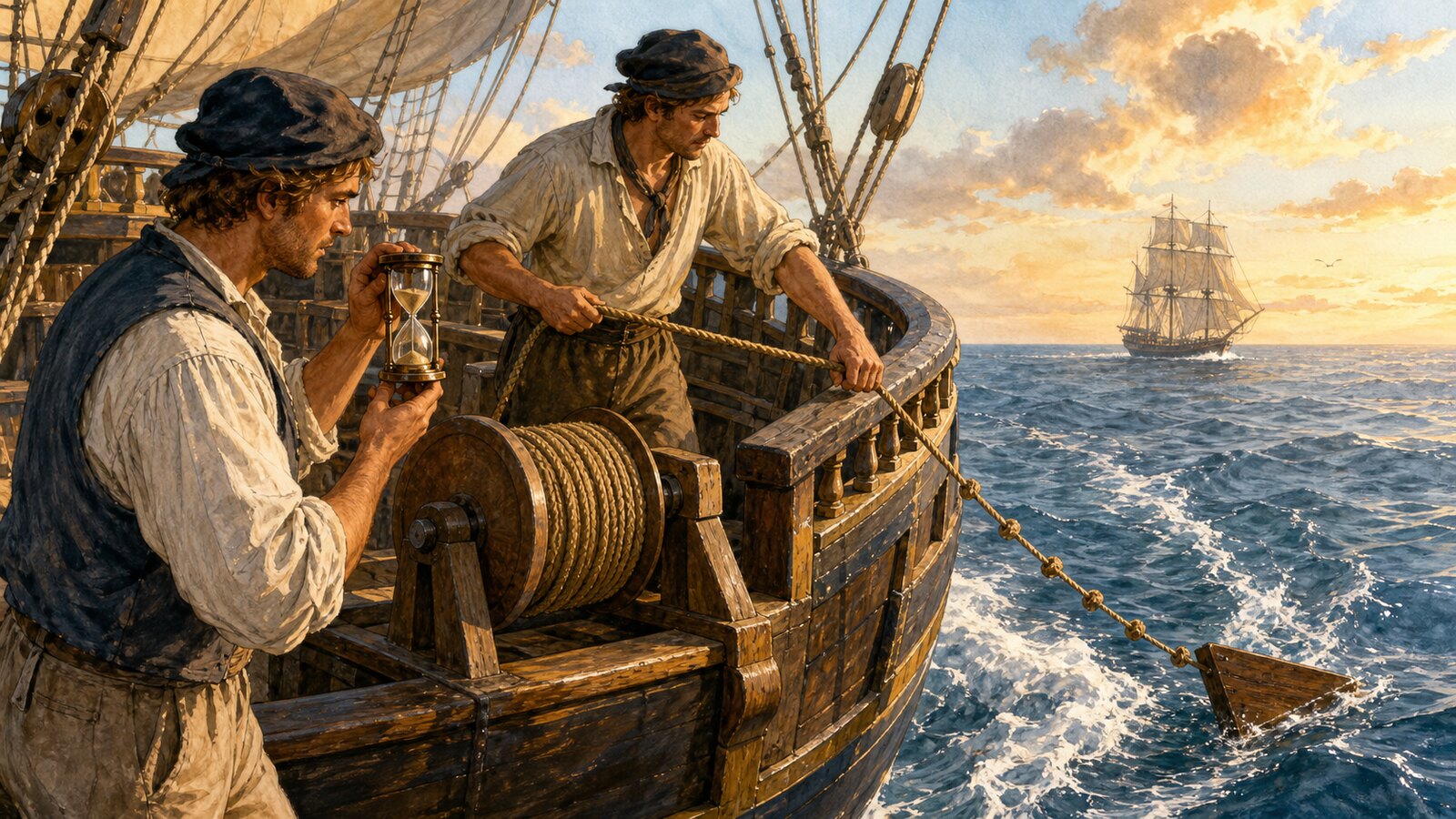
Mariners once threw a wooden chip overboard and counted knots in a calibrated line during a timed interval. The name survived: one knot now equals exactly one nautical mile per hour.
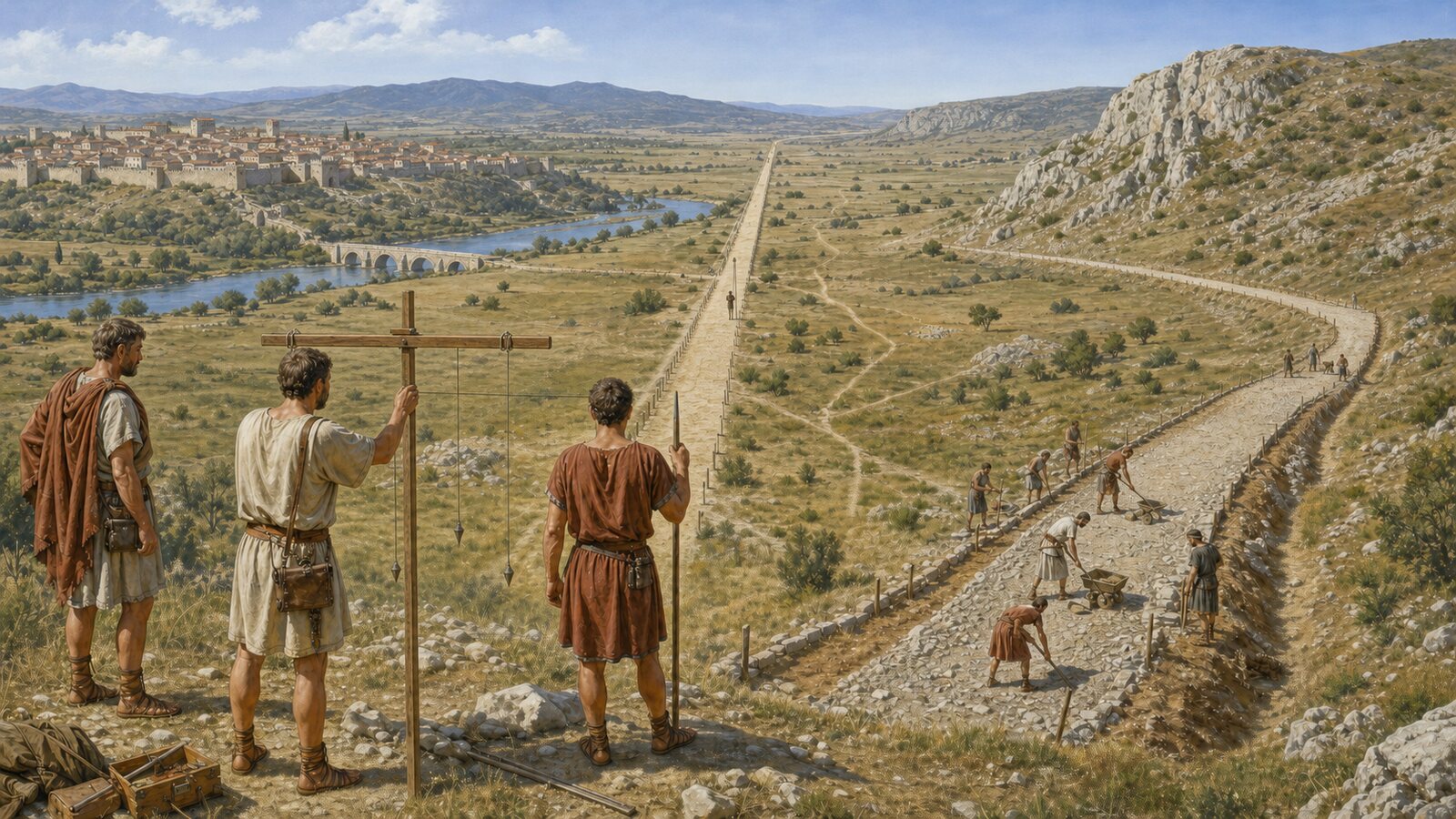
Roman surveyors laid out direct segments between important nodes, but changed course for gradients, drainage, rivers, and wetlands. Straightness was a practical compromise, not a rule imposed blindly on every landscape.
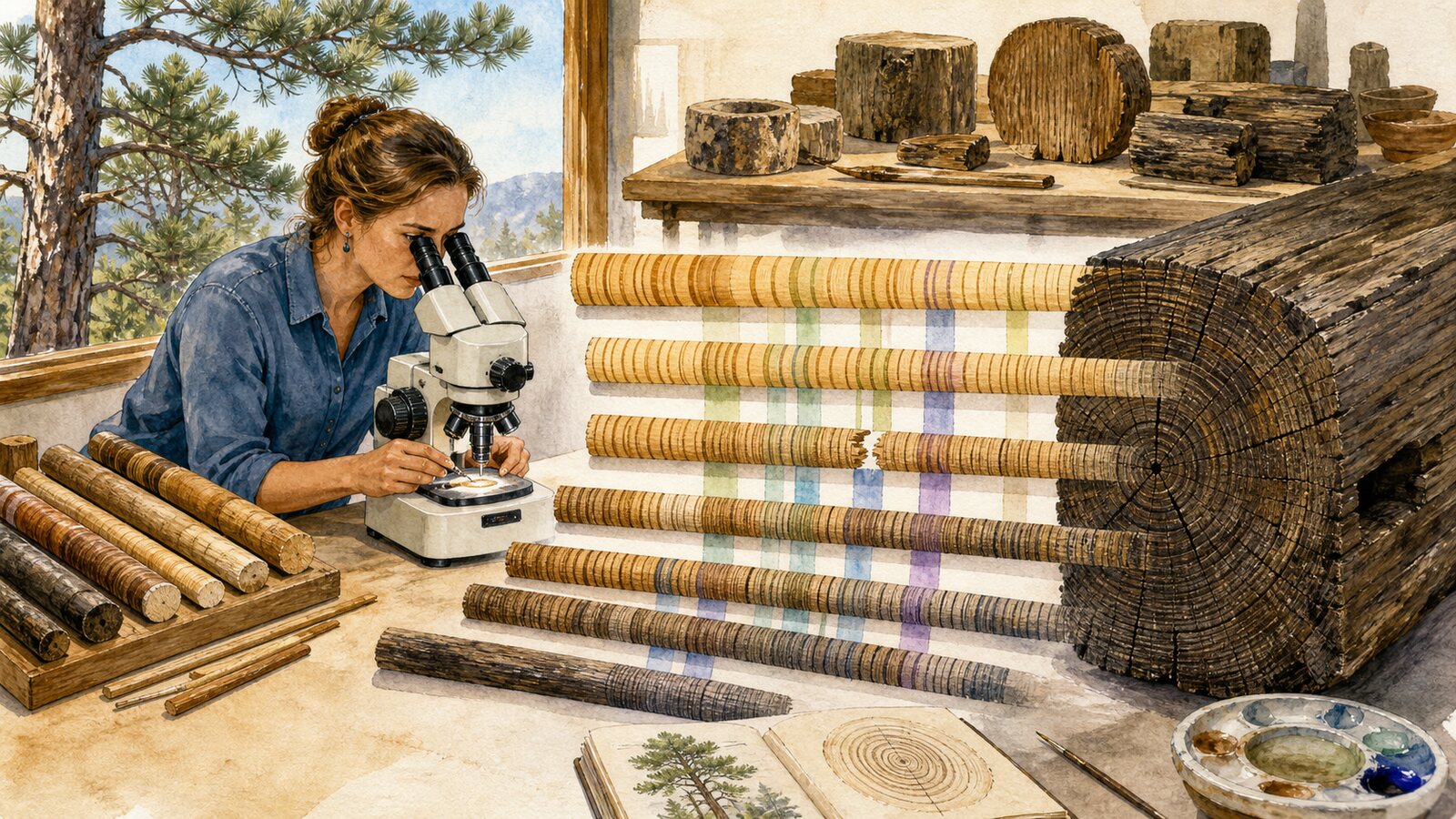
Dendrochronology matches shared sequences of wide and narrow rings to a calendar-dated master chronology. Crossdating detects missing and false rings and assigns each surviving ring to a year.
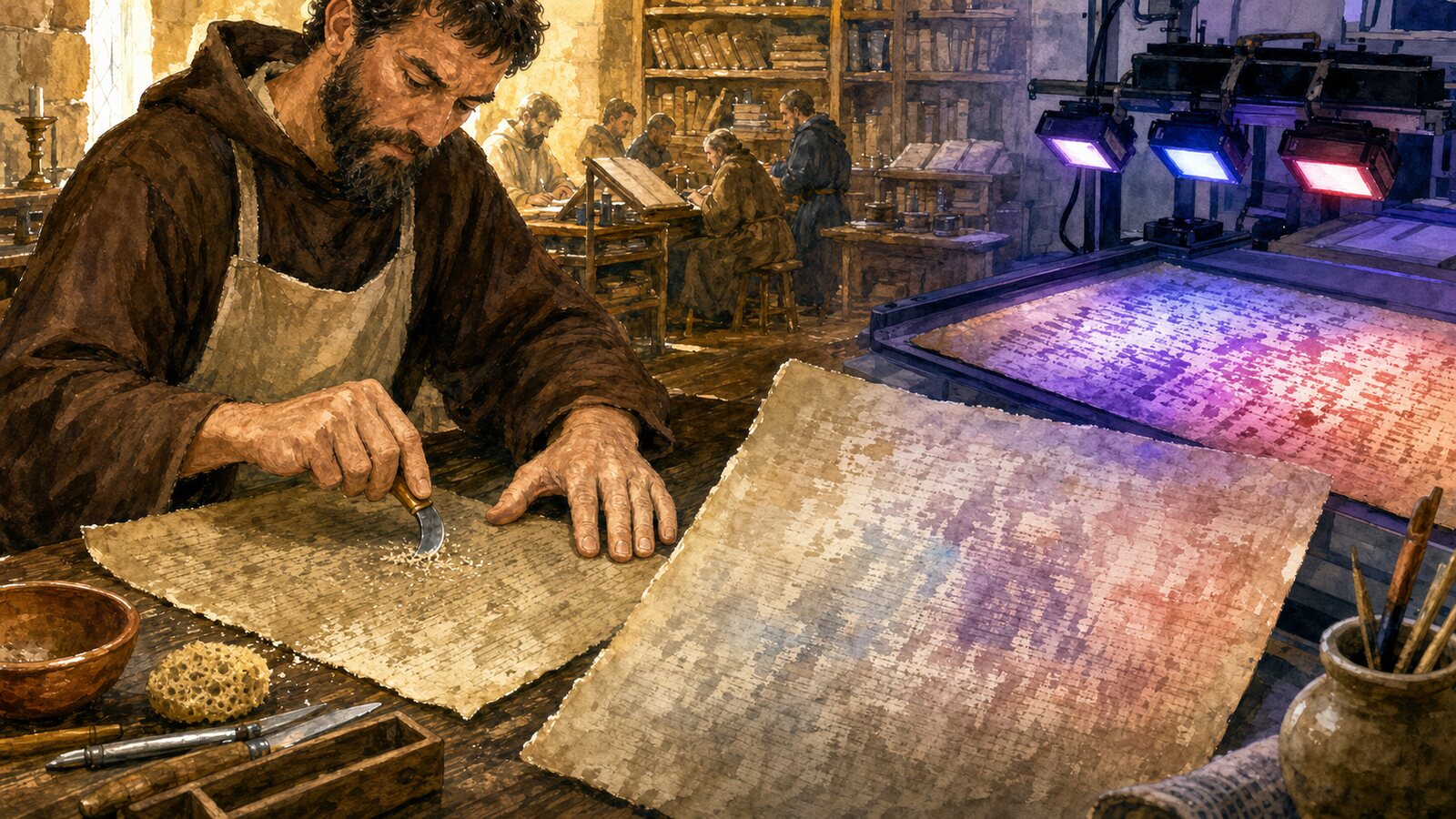
Valuable, durable parchment could be scraped and turned into a new book. Modern multispectral imaging separates the wavelength responses of ink residue and altered collagen to recover the hidden undertext.
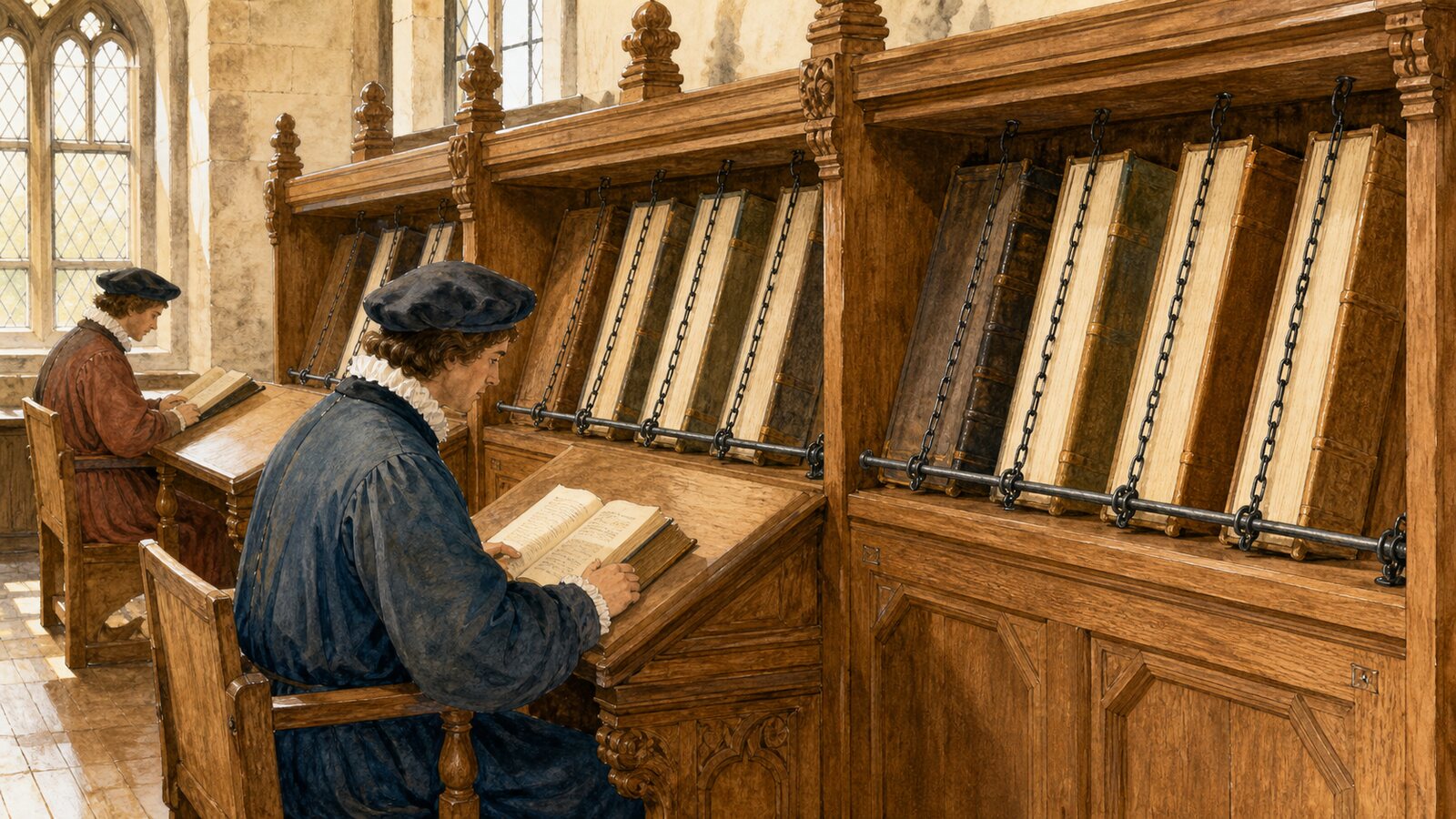
Some European libraries chained valuable books to shelf rods so readers could use them at nearby lecterns but not carry them away. The system balanced security with shared access.
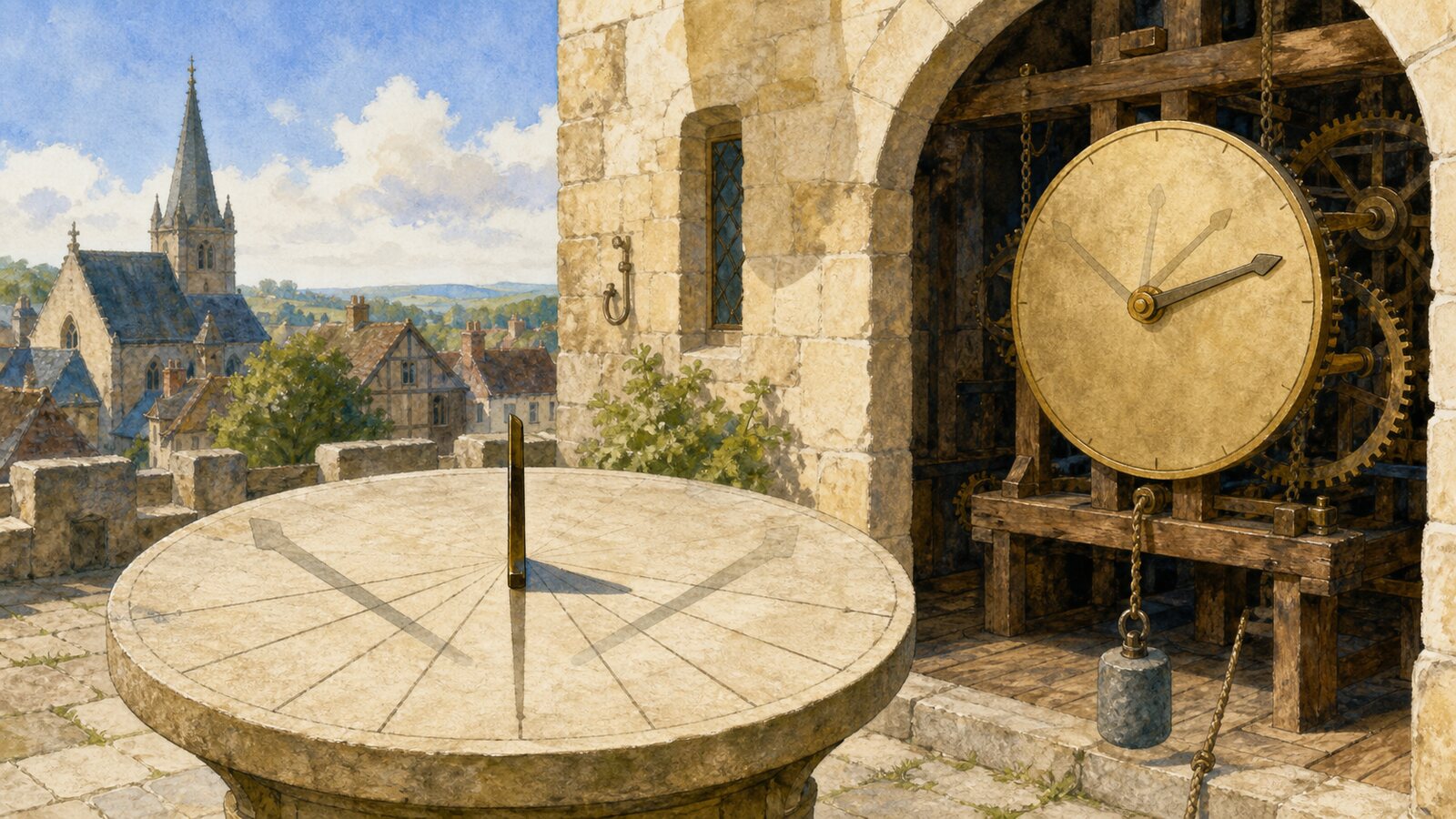
On northern mid-latitude horizontal sundials, shadows progress west to north to east. European mechanical dials likely inherited that familiar sweep, and convention turned it into a global standard.
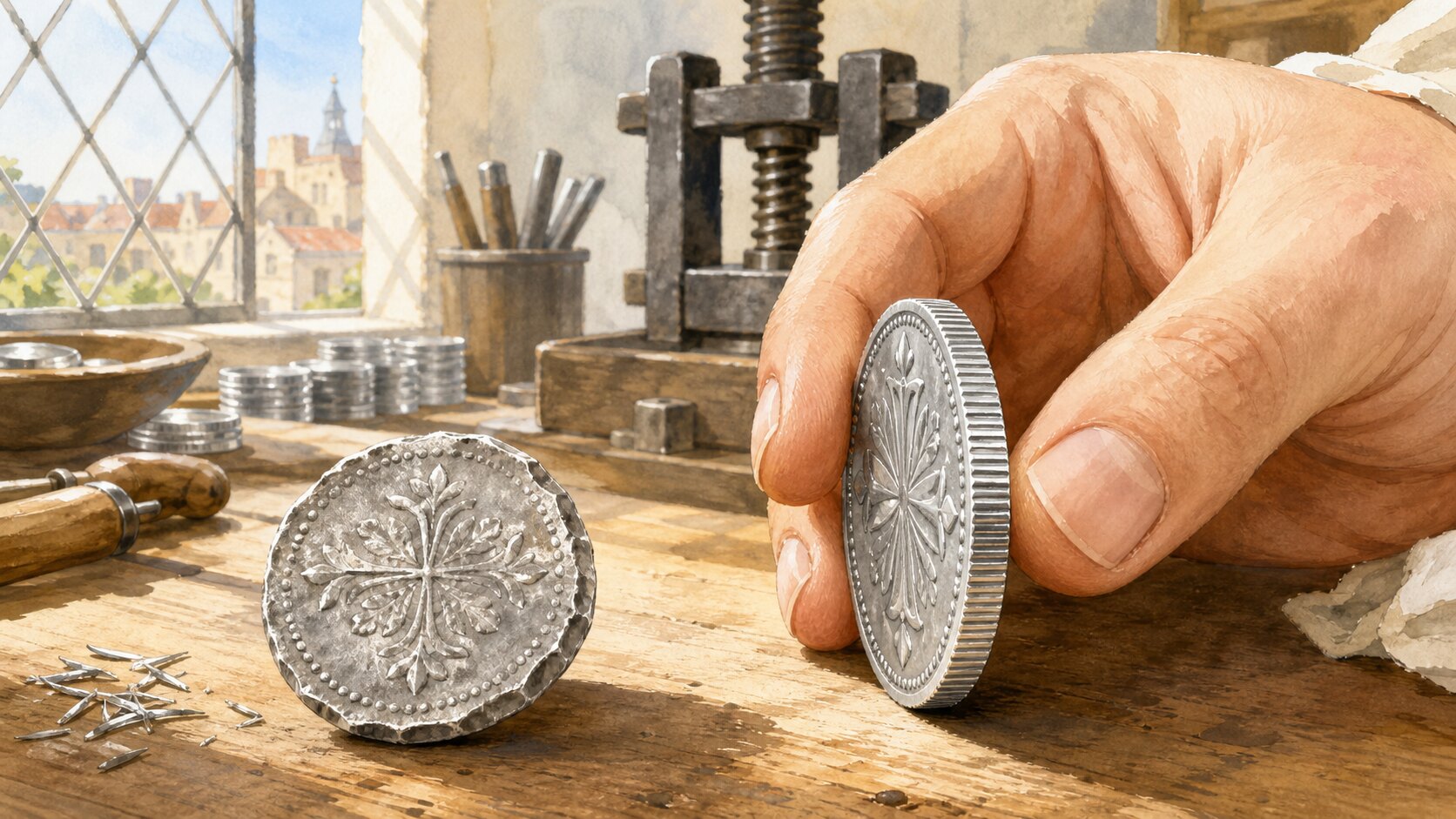
Reeded edges originally made the clipping of precious metal from gold and silver coins visible. Today the same feature helps distinguish denominations, supports machine recognition, and adds a layer of anti-counterfeiting security.
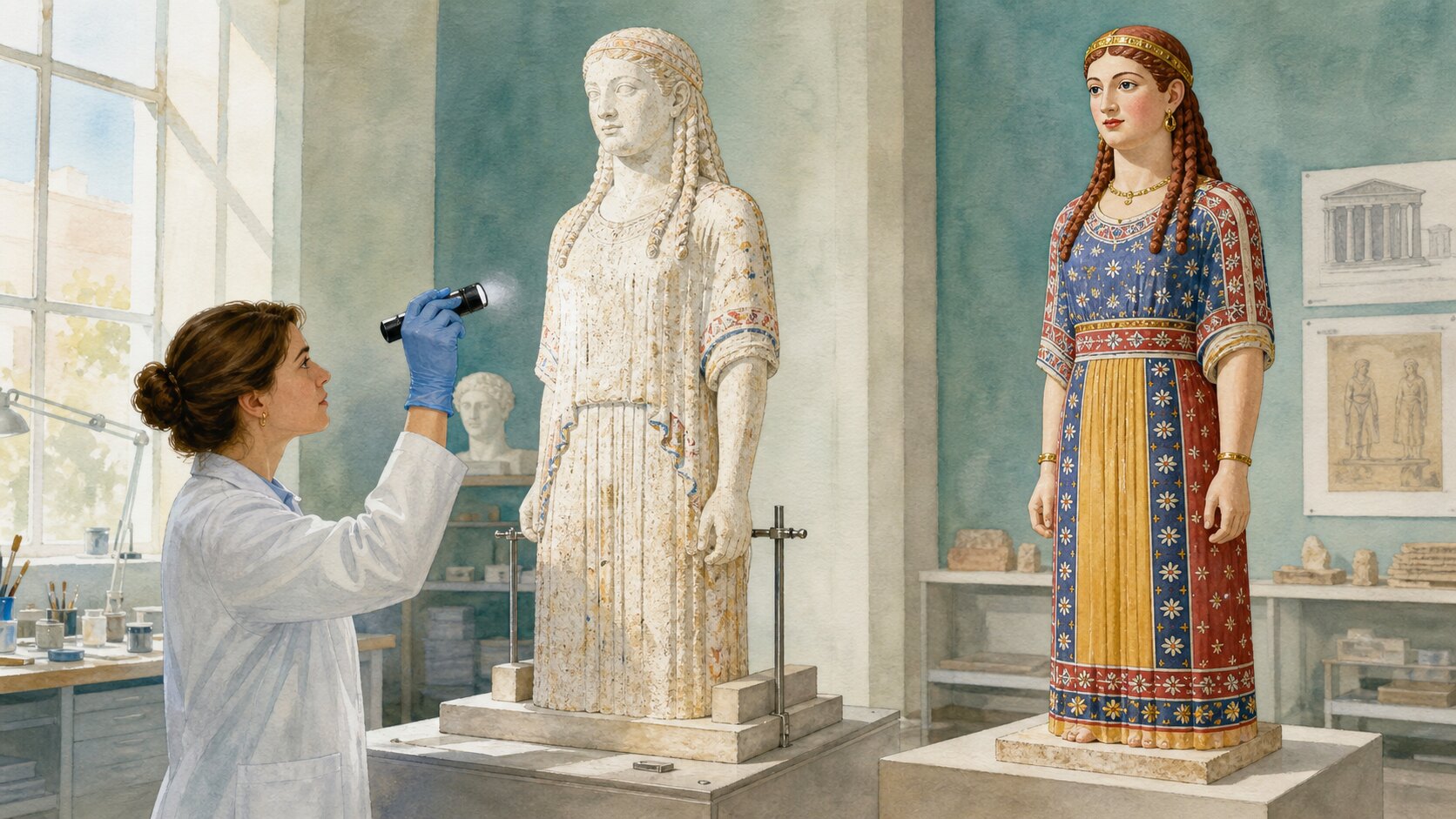
Many ancient marble sculptures were fully or selectively decorated with pigment, gilding, and inlays. Weathering, burial, and cleaning removed most color, while modern reconstructions remain evidence-based hypotheses.
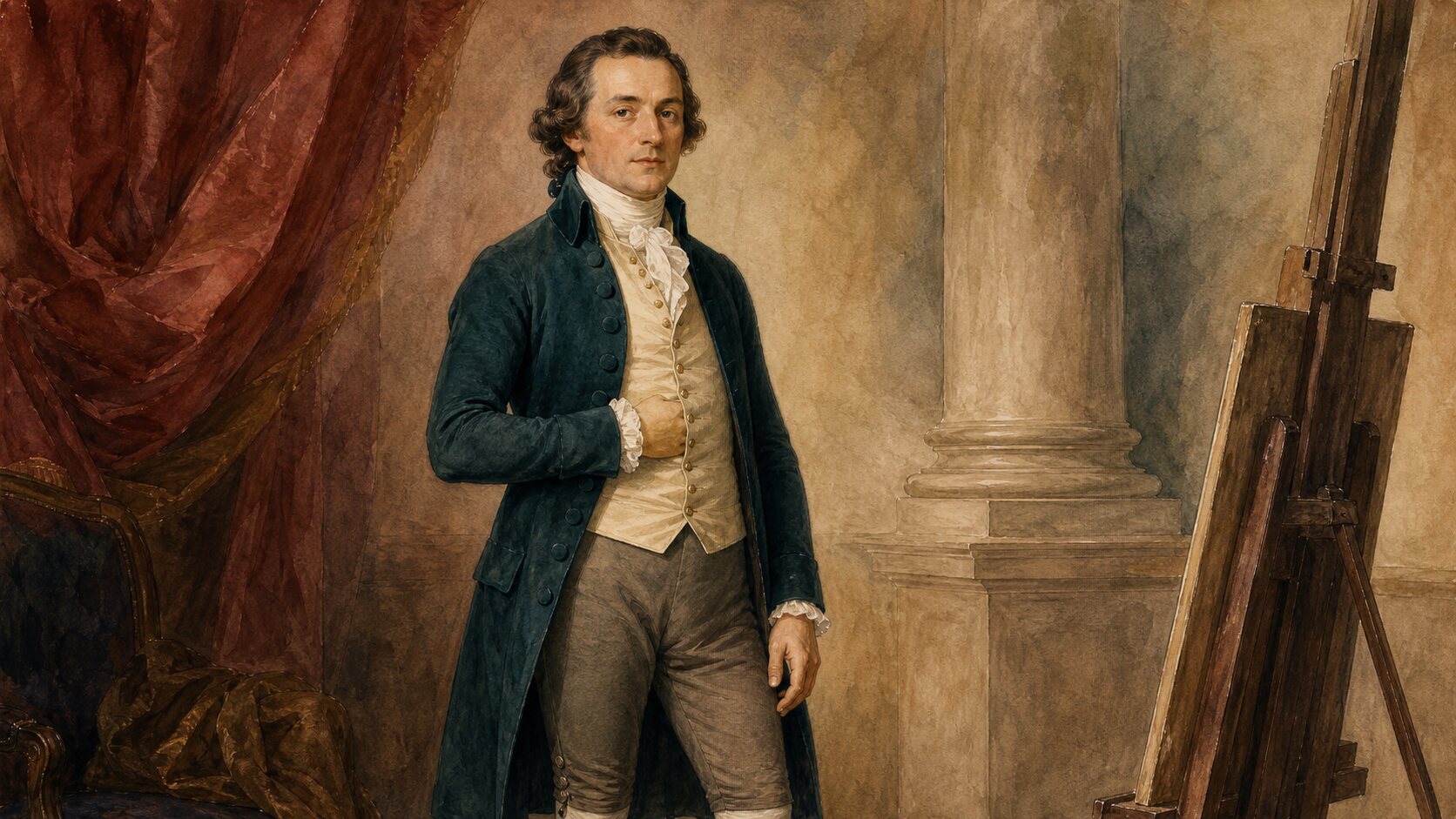
The tucked hand was an eighteenth- and nineteenth-century portrait convention signaling composure, gentility, and controlled authority. Napoleon made it iconic, but earlier gentlemen had already used it.
The ripples and thickness changes in old panes preserve crown- and cylinder-glass manufacturing marks. They are not evidence that room-temperature glass flowed downward over the centuries.

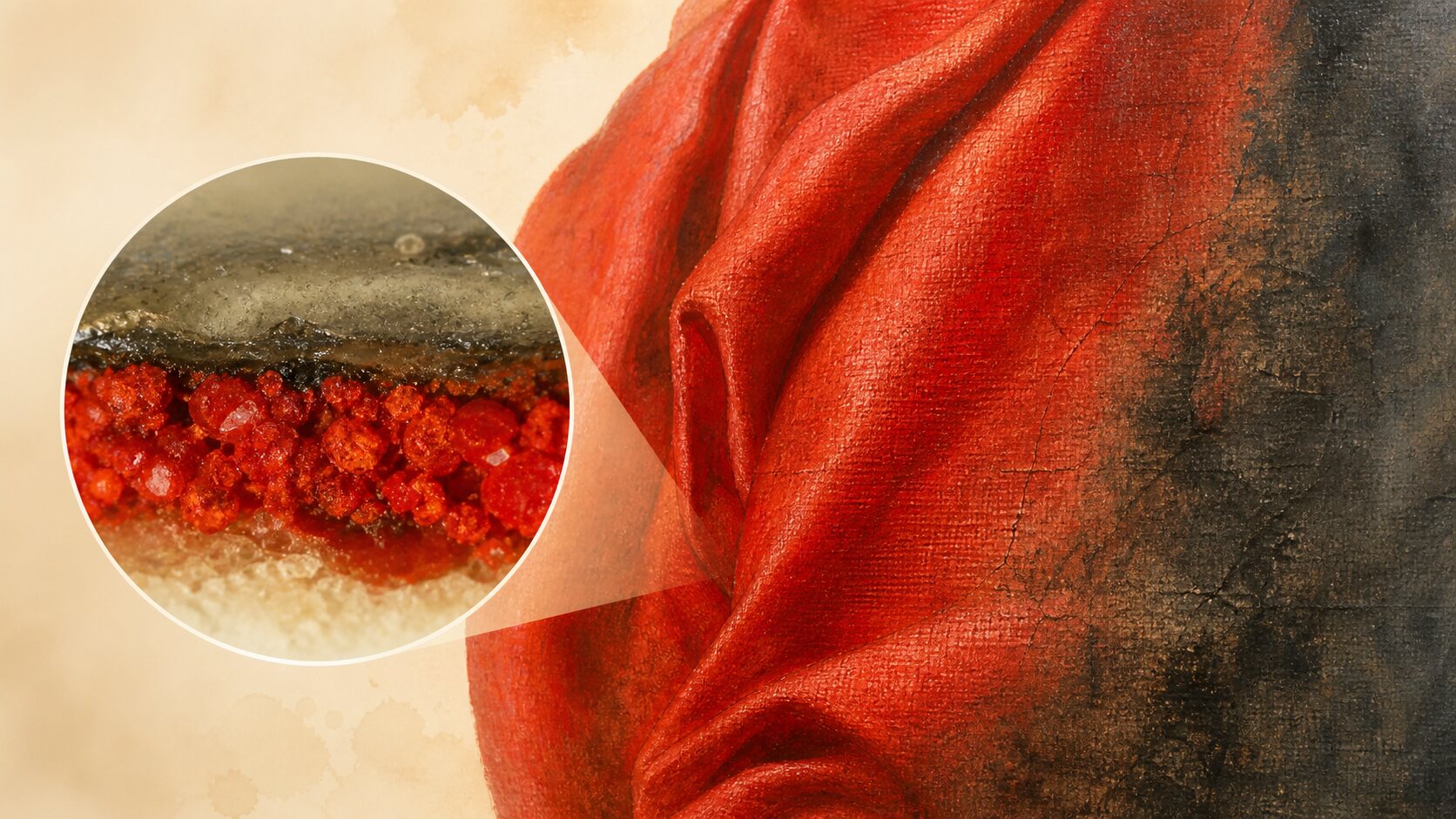
Red mercury-sulfide pigments such as vermilion can undergo surface reactions influenced by light and chloride-containing conditions. Even when pigment interiors remain red, a thin altered surface can make a painting look dark.
Aqueducts were long gravity-fed watercourses. Engineers surveyed a very gentle descent and used channels, tunnels, arches, and sometimes pipes to maintain the route and flow across difficult terrain.

The same decree appeared in Ancient Greek, Demotic, and hieroglyphs, allowing scholars to compare a readable text with a forgotten script. That connection became the starting point for identifying hieroglyphic sound values.

He treated the difference between simultaneous shadows in two cities as a central angle on Earth, then applied that fraction to the distance between them. Simple geometry turned a local shadow into a planetary estimate.

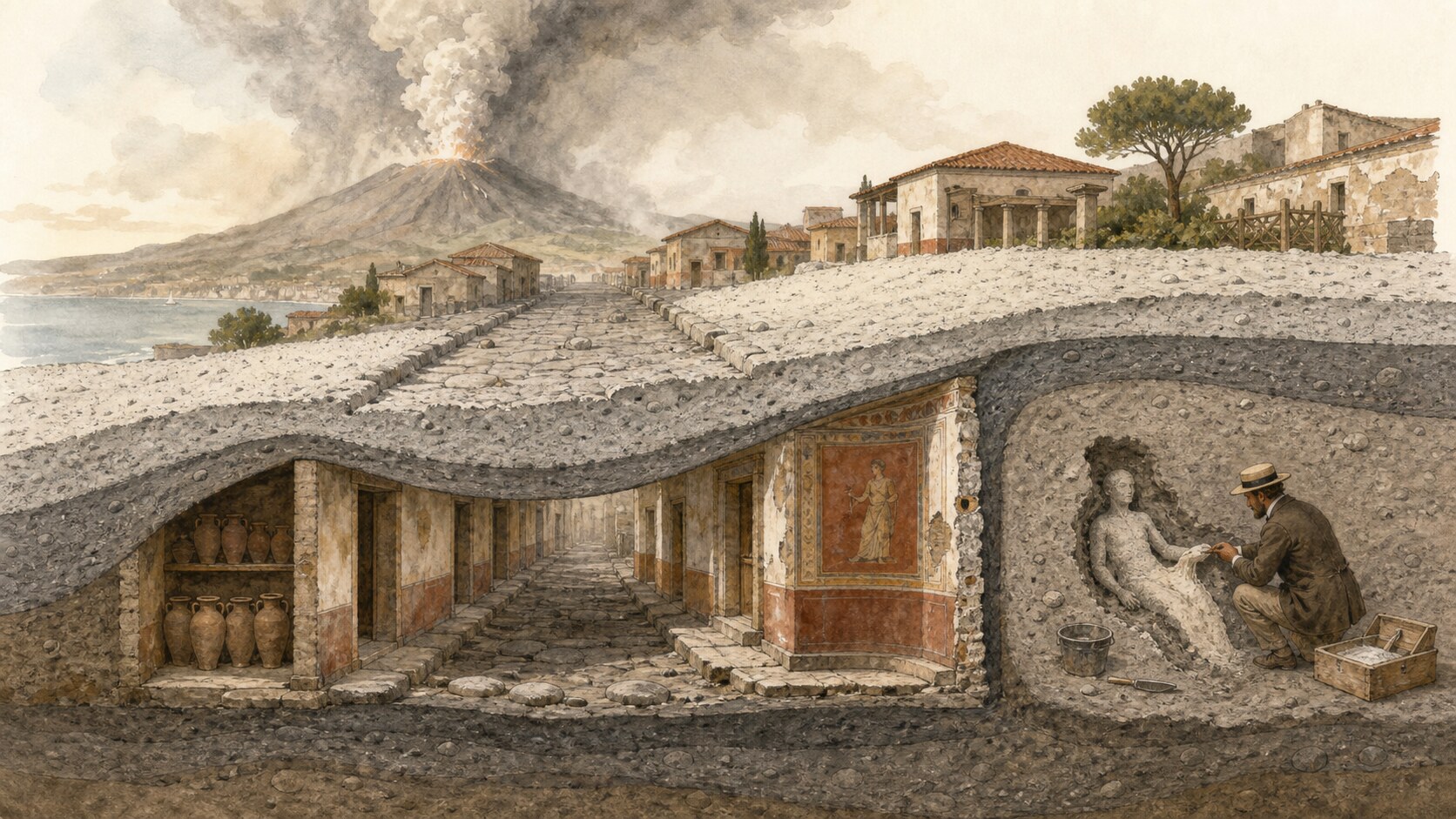
Pumice, ash and later pyroclastic material rapidly buried the city and sealed in many traces. Its famous human forms are plaster casts of voids left after bodies decomposed, not petrified victims.
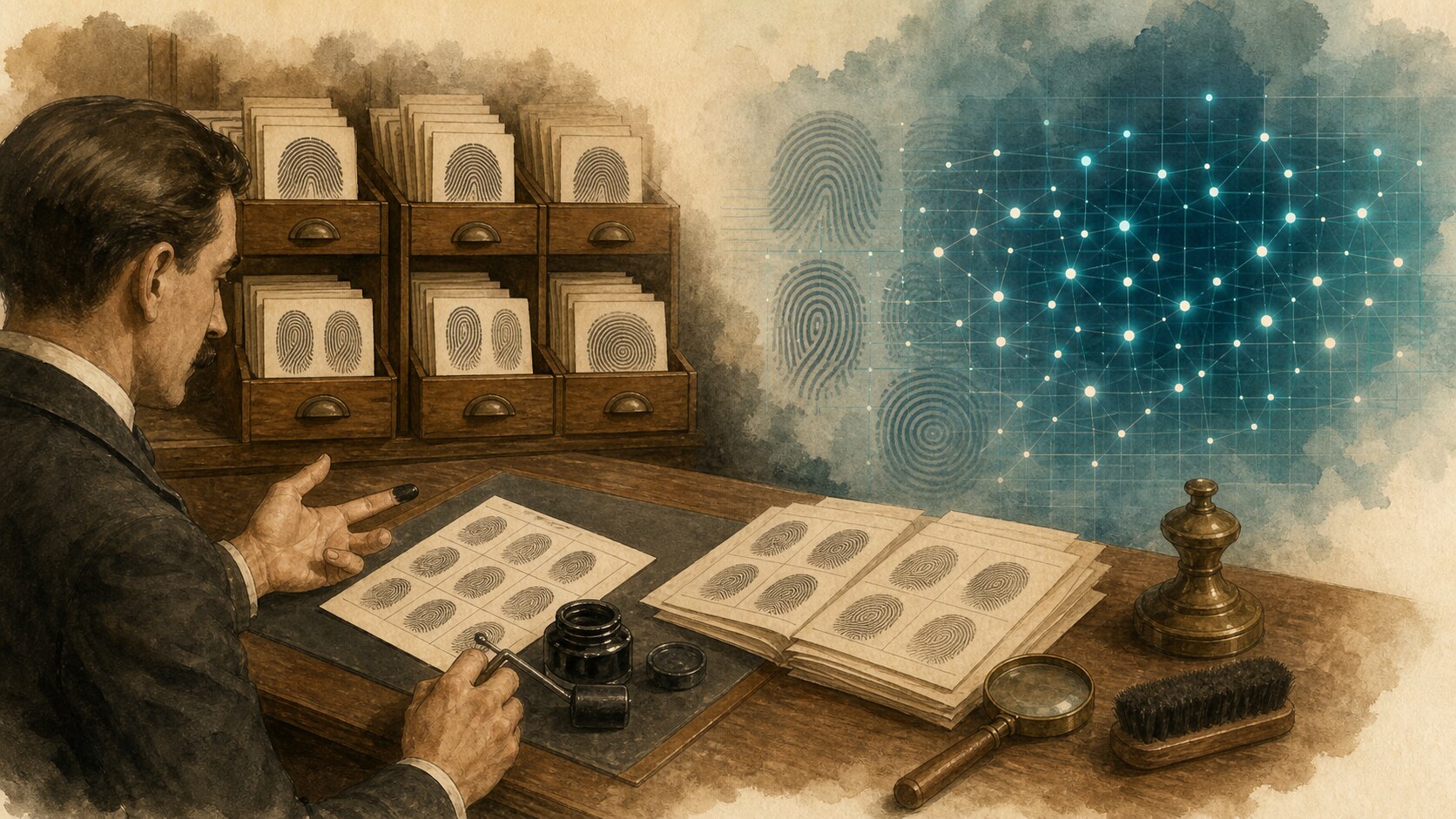
Persistent ridge detail became searchable through standardized capture and card classification. Modern systems rank candidates quickly, but image quality and careful comparison still matter.
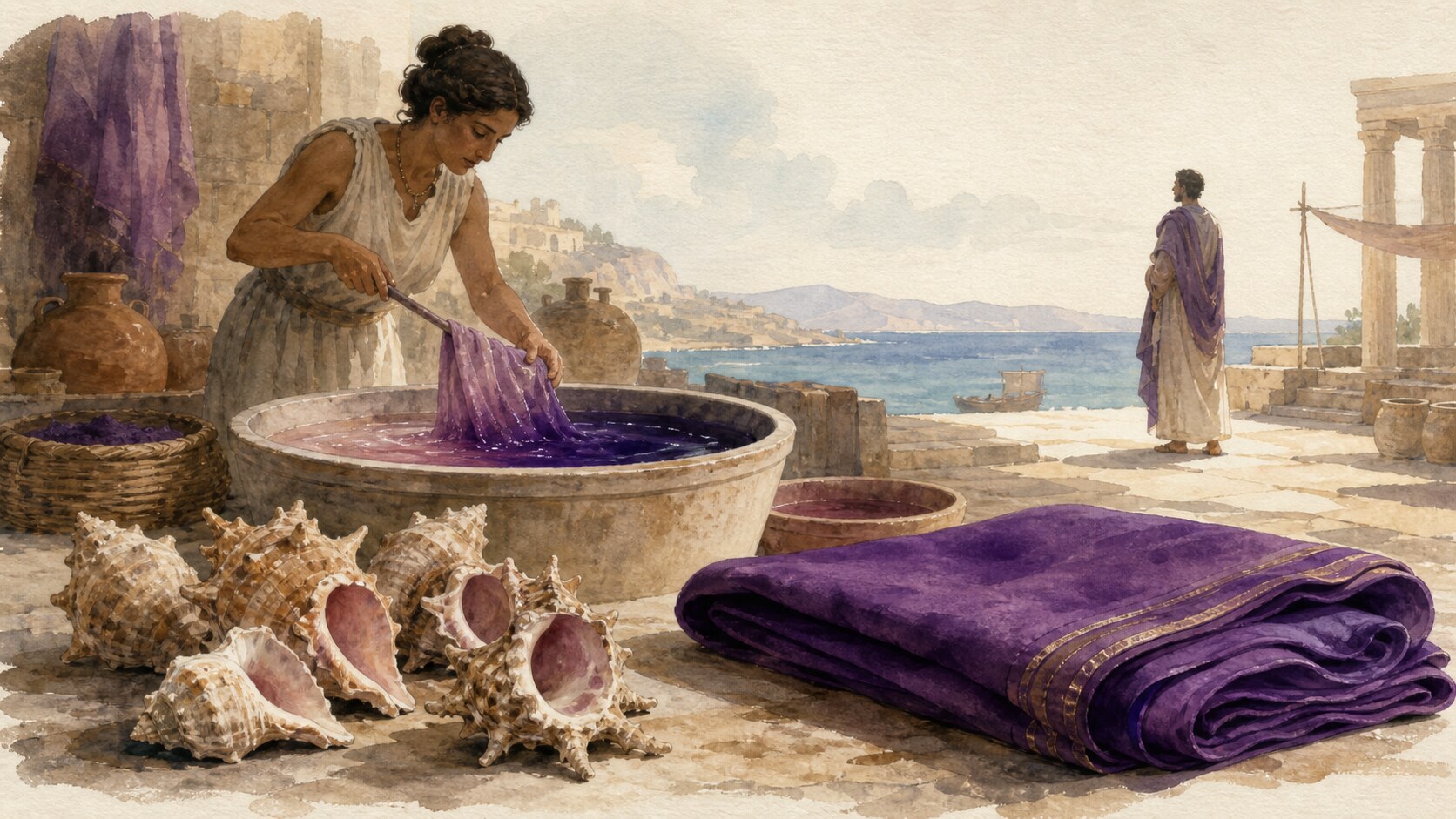
Ancient Tyrian purple required marine snails and laborious processing. Its scarcity made purple cloth a powerful display of rank and eventually a lasting symbol of royalty.
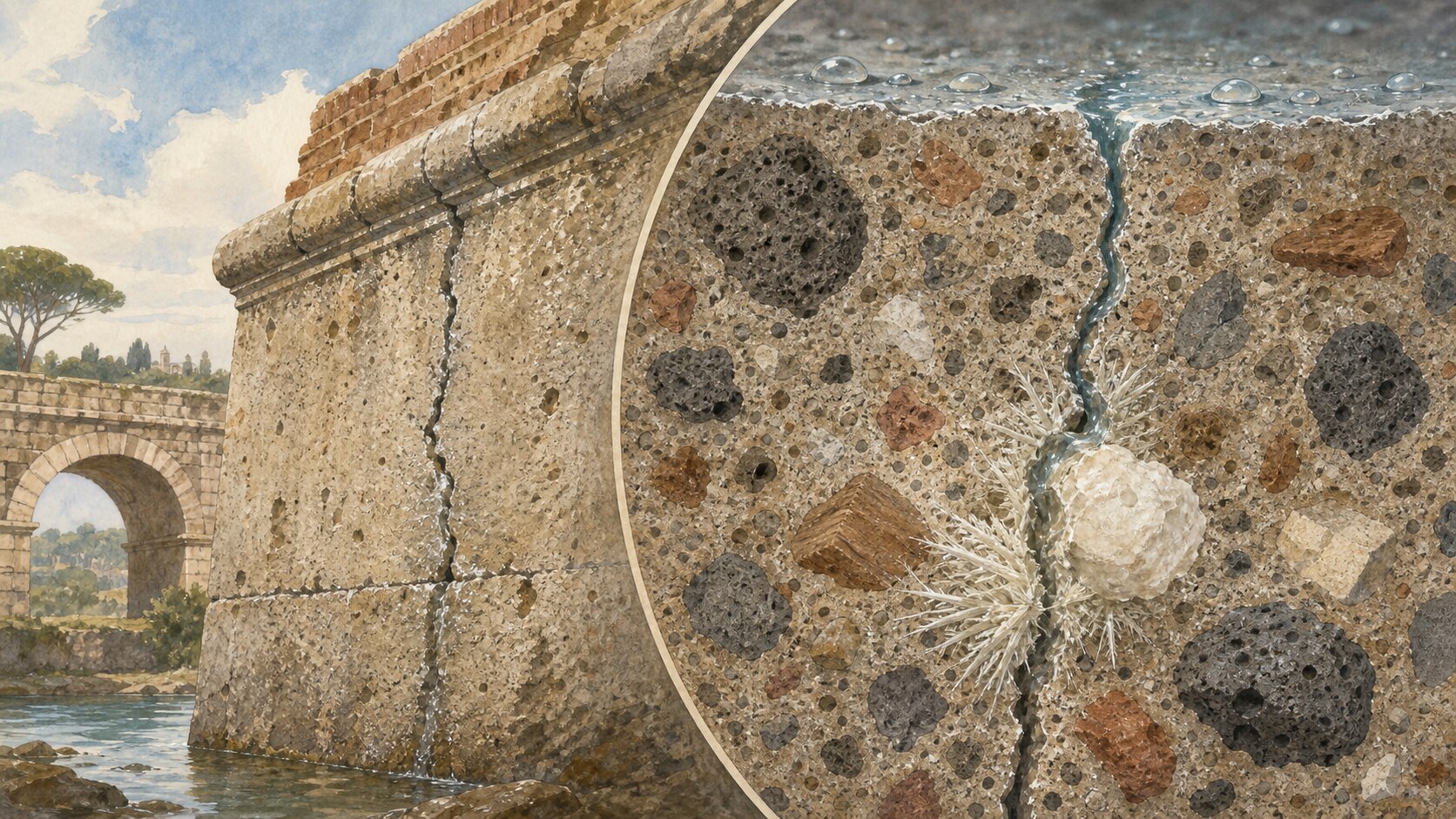
In some Roman concrete, reactive lime clasts can supply calcium when water enters a crack, helping minerals seal part of the gap. That mechanism is only one contributor among materials, environment and structural design.
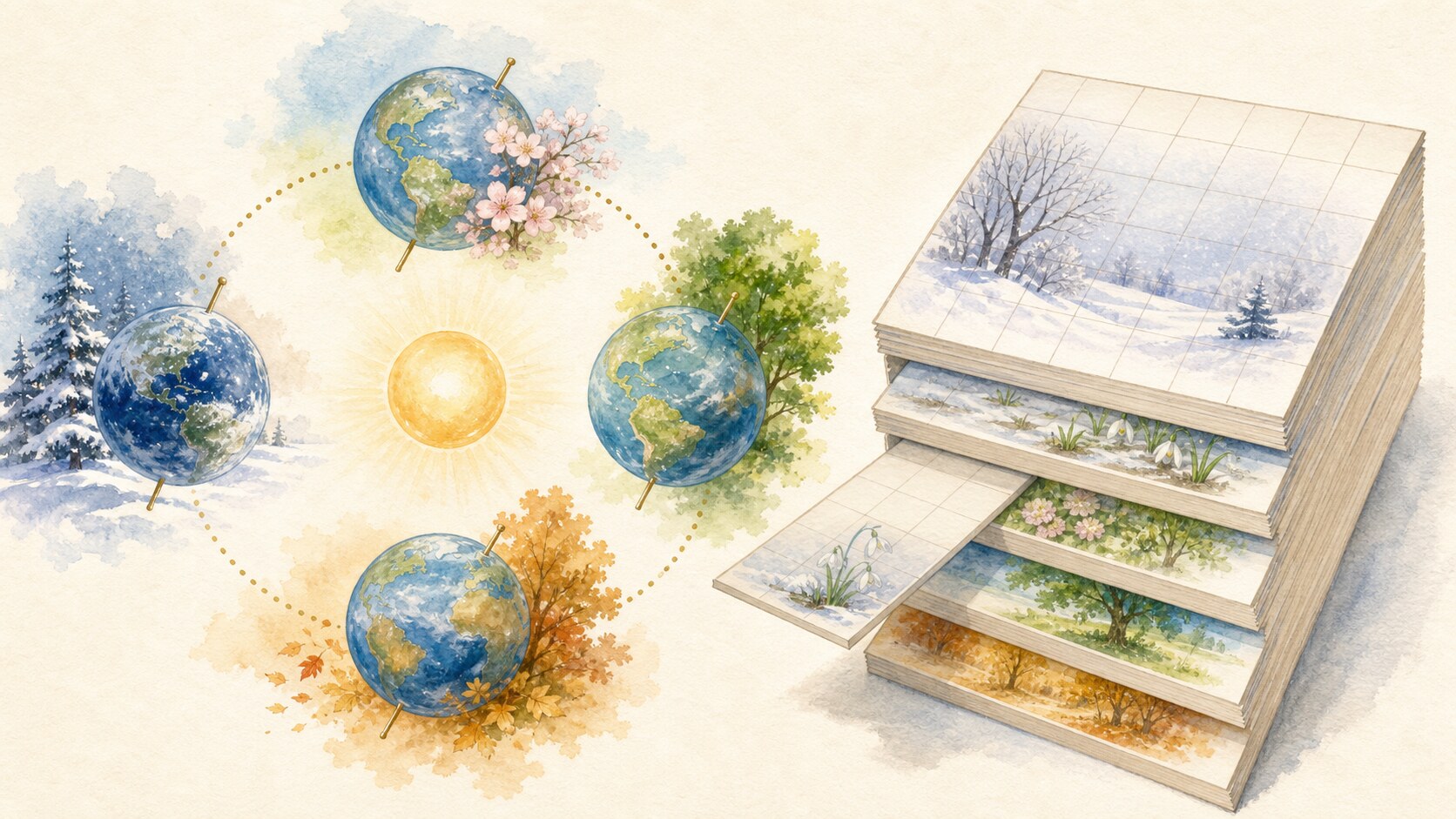
The seasonal cycle lasts about 365.2422 days, so a 365-day calendar steadily drifts. The Gregorian calendar adds 97 leap days every 400 years to keep dates aligned.
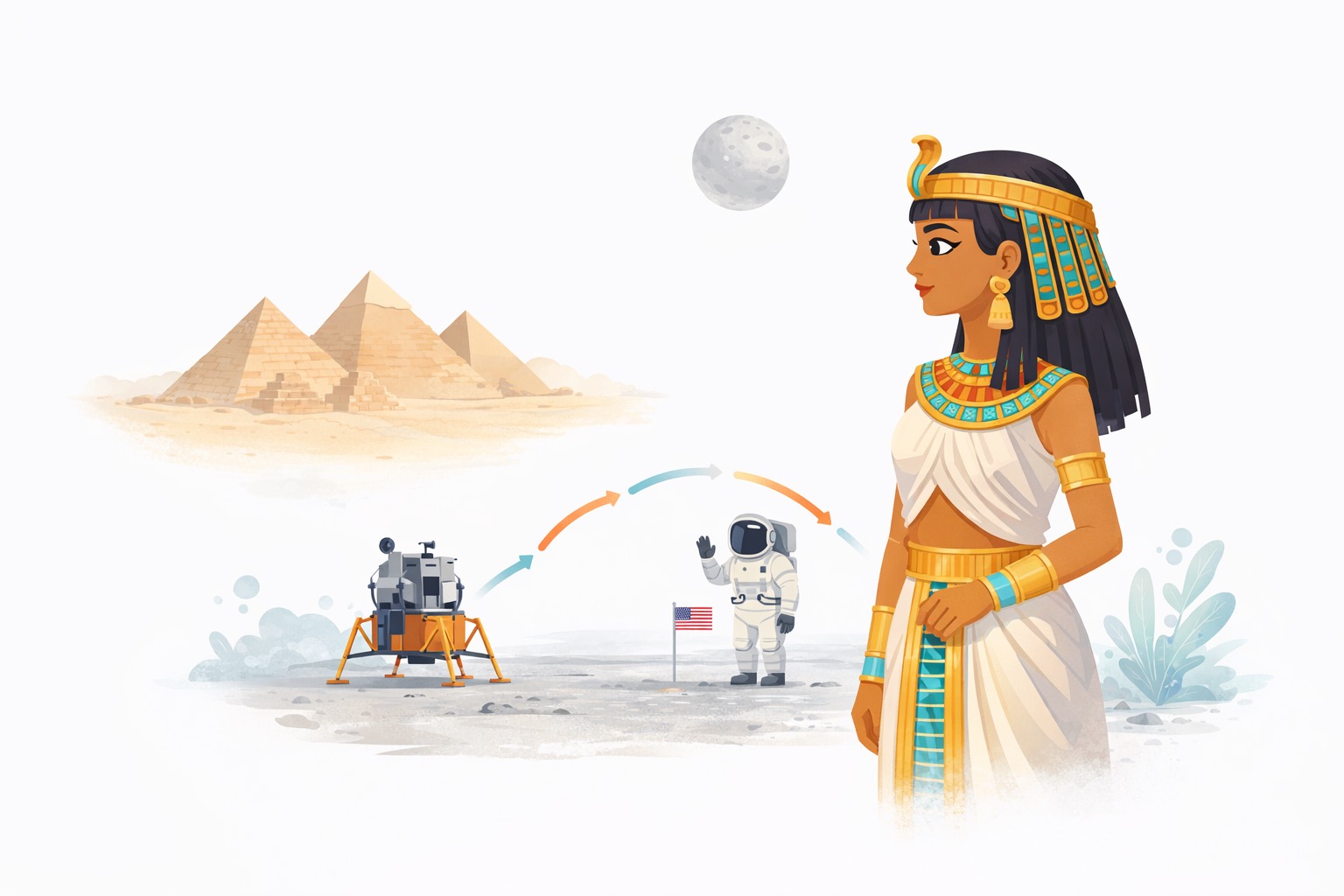
The Great Pyramid was already ancient in Cleopatra's time; fewer years separate her from Apollo 11 than from its construction.
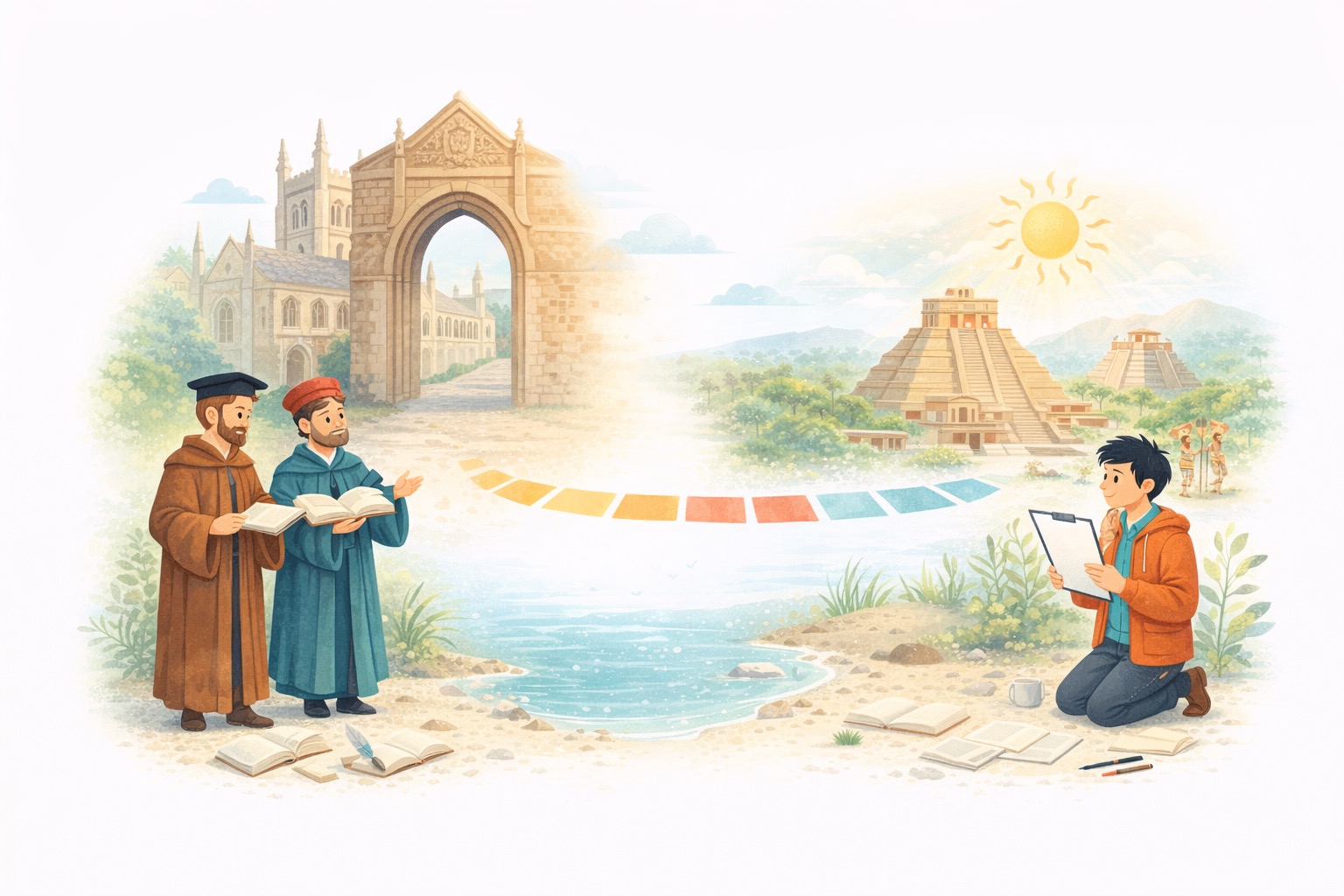
England's University of Oxford had already been teaching students for centuries before the Aztec Empire was even founded — a surprisingly old institution.