Animals
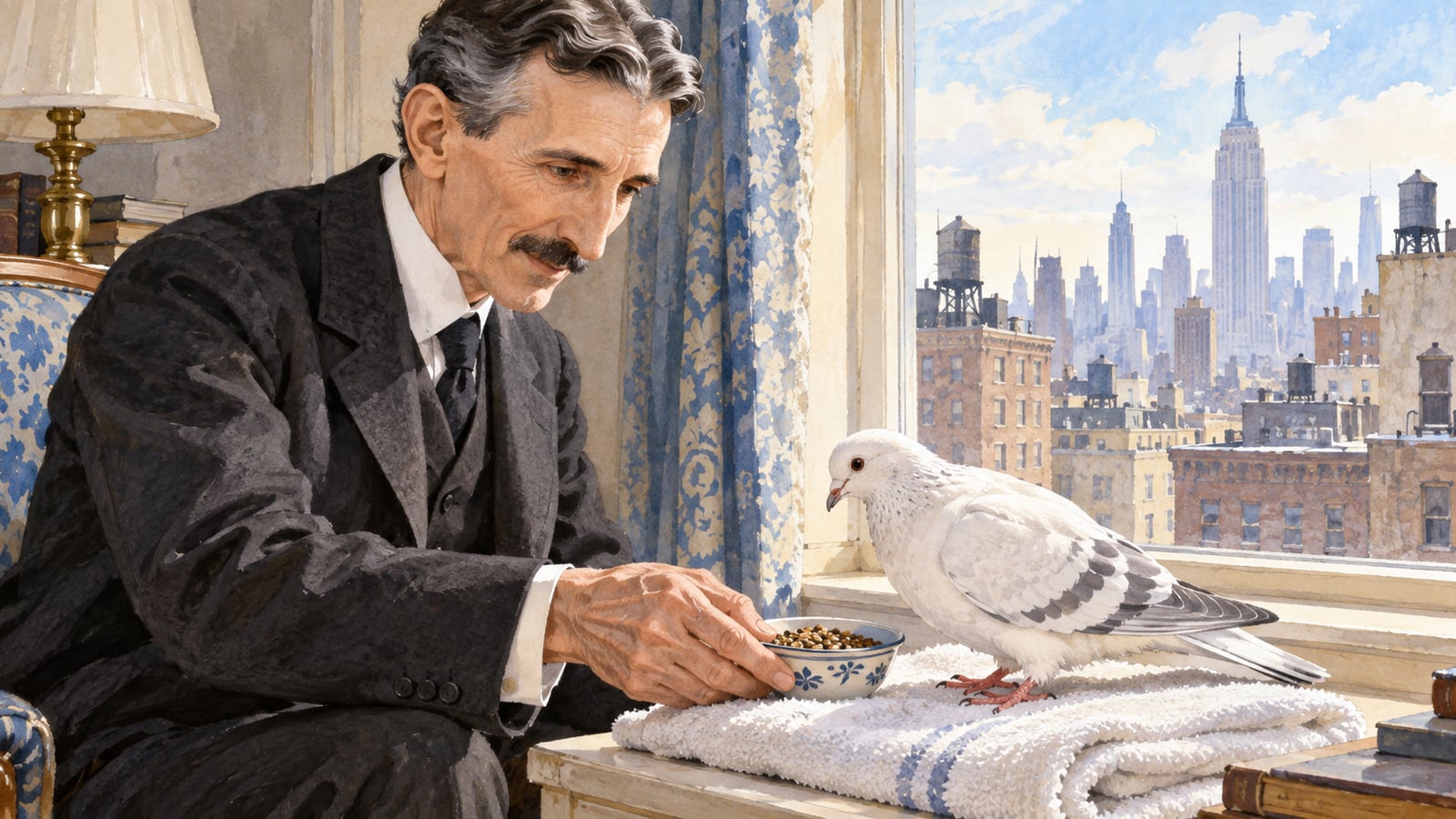
Nikola Tesla Hired a Messenger to Feed His Pigeons
Tesla nursed pigeons in hotel rooms and paid a messenger to feed city flocks. The famous white-pigeon story sat within a lasting routine of care.
ANIMALS
Tesla nursed pigeons in hotel rooms and paid a messenger to feed city flocks. The famous white-pigeon story sat within a lasting routine of care.
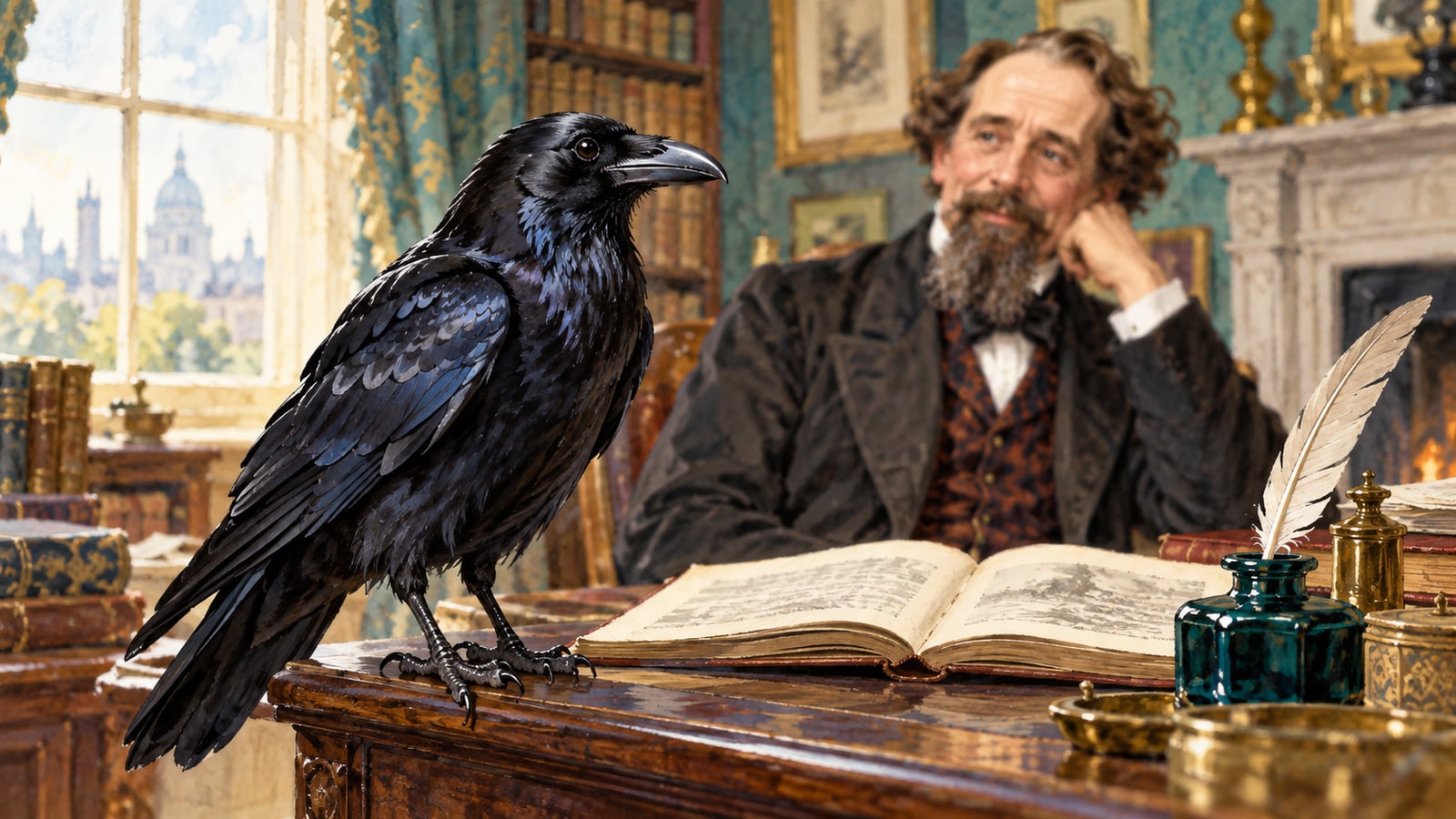
Dickens's ravens stole food and borrowed household noises. Their antics helped create a fictional character; one also survived as a library specimen.
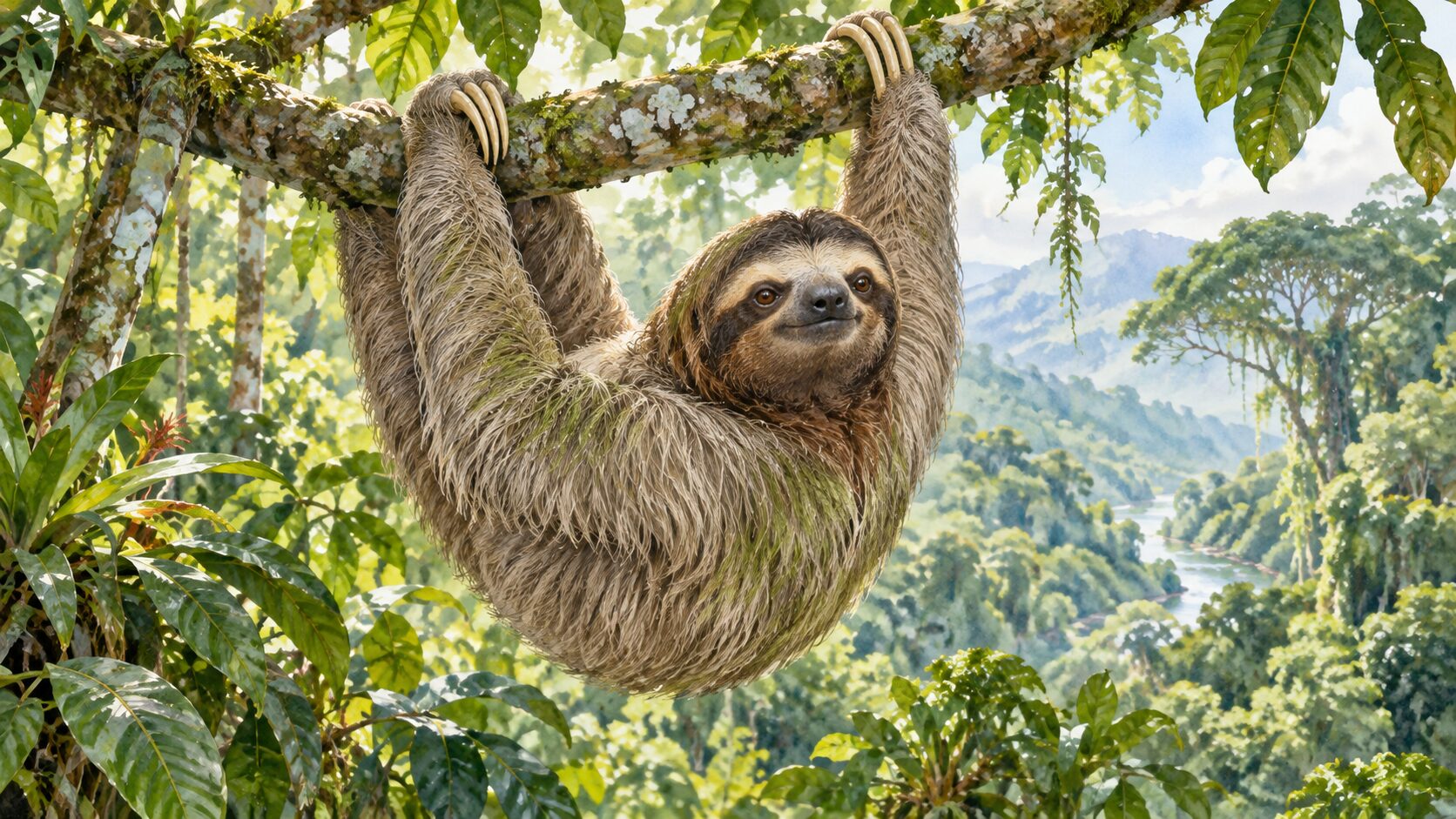
Green algae living on sloth hairs add a greenish tint to the coat. Their presence is established, while proposed benefits such as camouflage and nutrition require separate evidence.
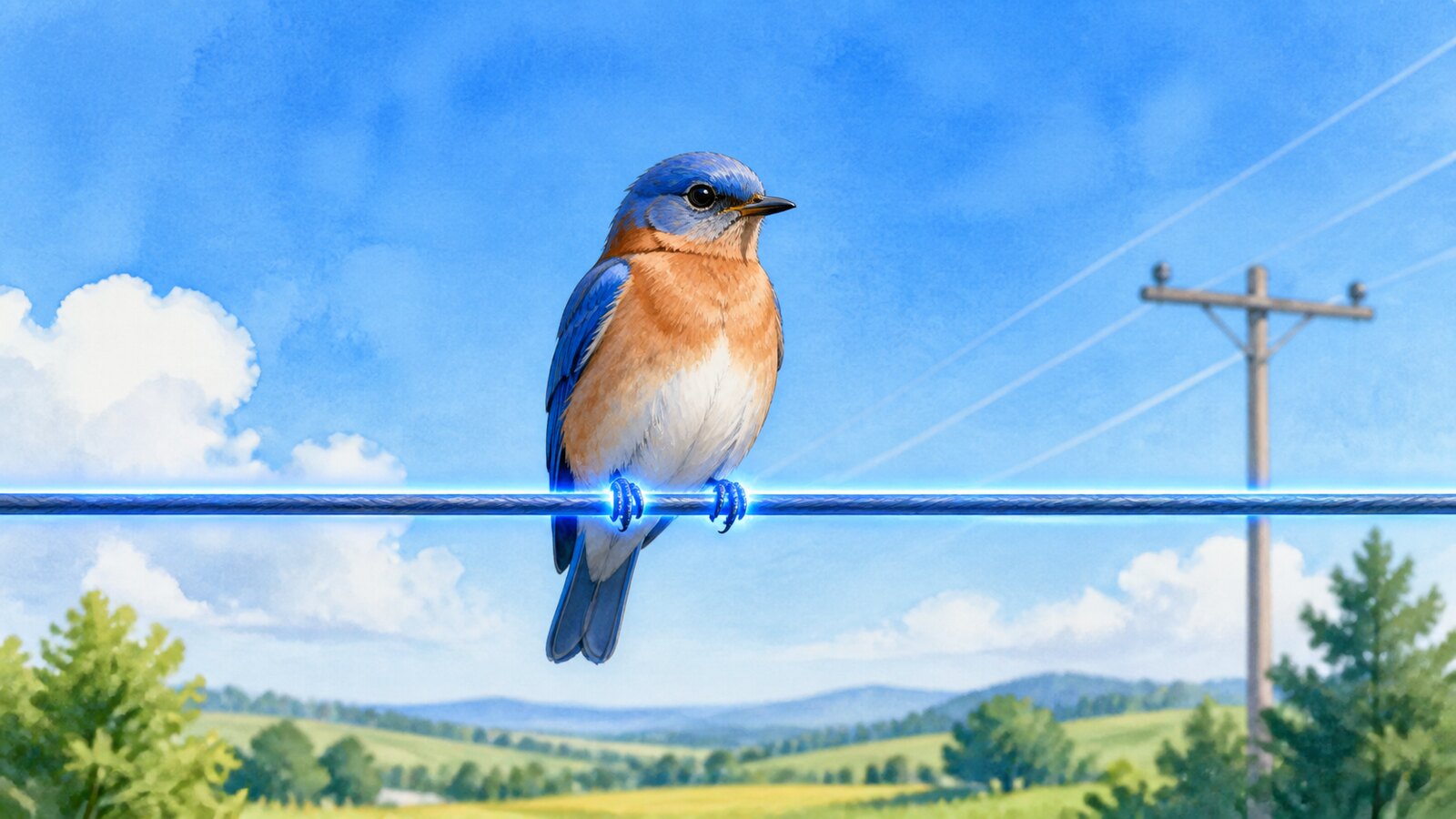
Two nearby points on one conductor are at nearly the same potential, so very little voltage and current cross a bird's body. Touching another wire or grounded structure removes that safe condition.
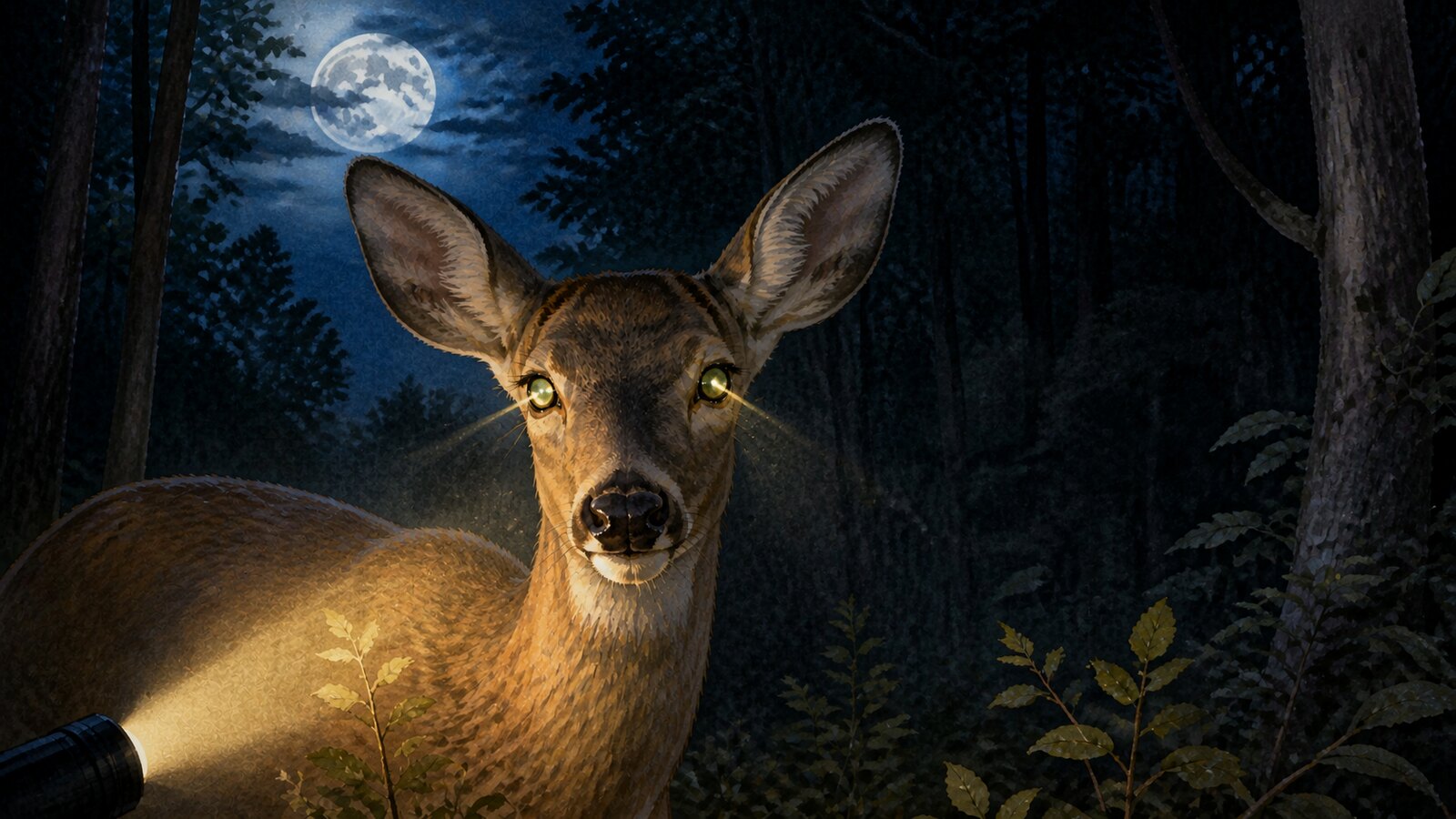
A reflector behind the retina, the tapetum lucidum, returns light that escaped absorption and gives photoreceptors another chance. Some returned light exits toward the source as visible eyeshine.
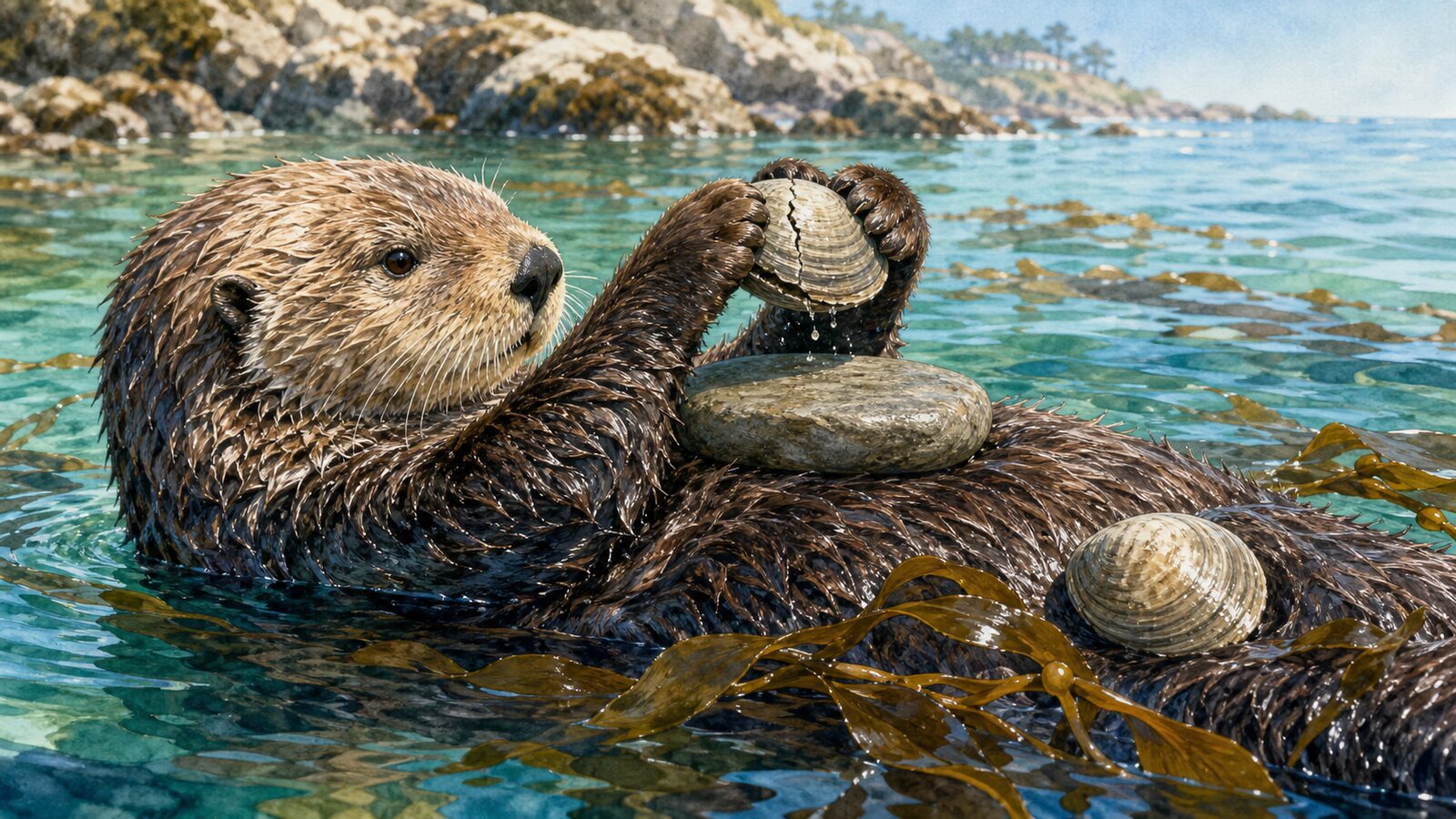
Repeated impacts against stone let sea otters open prey beyond practical biting capacity while reducing tooth damage. Tool use broadens their menu, especially where preferred foods are depleted.
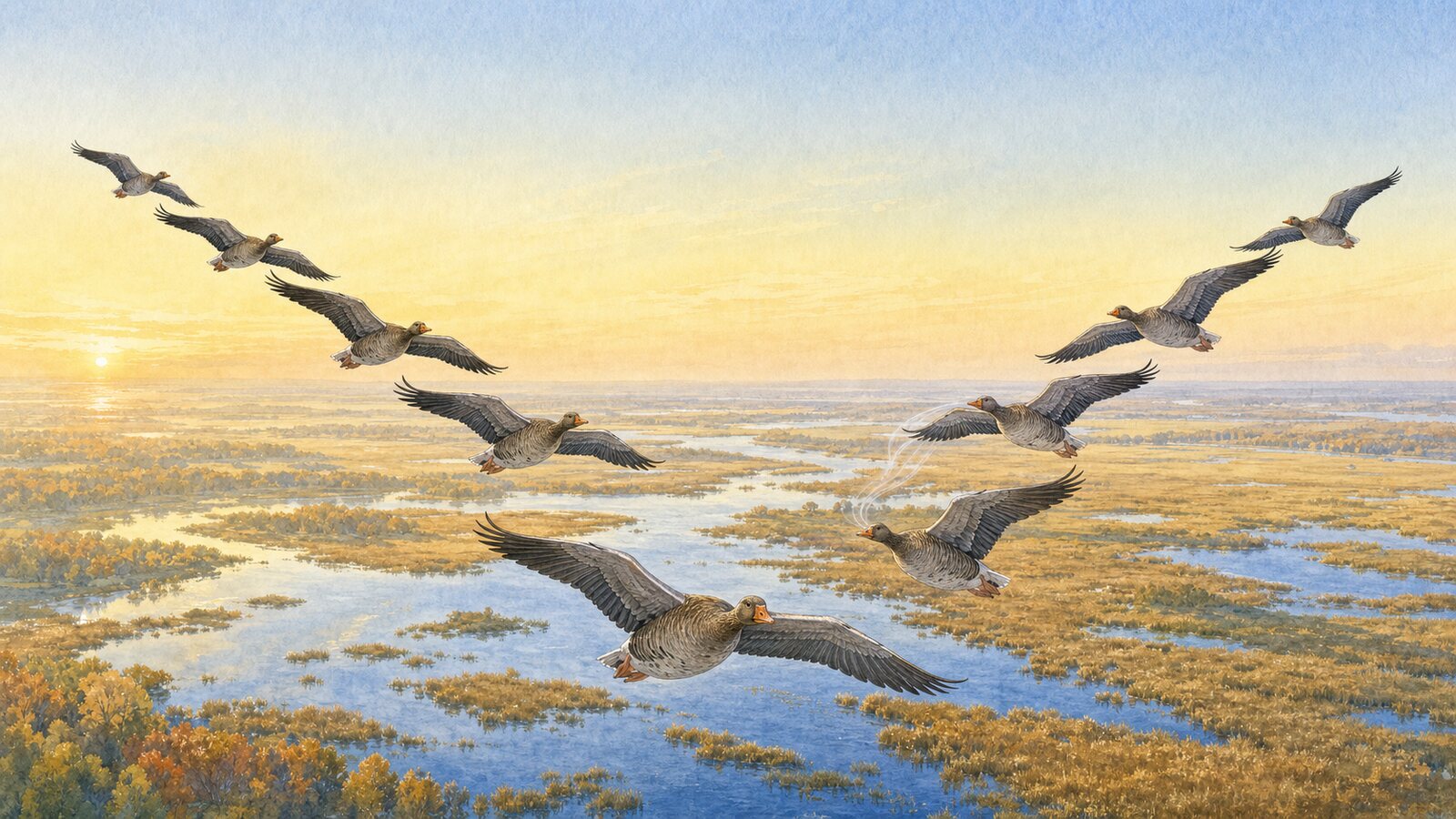
Air rises just outside a leading bird's wingtip vortices. Large migrants can reduce flight effort by positioning behind and to the side in that upwash and timing their wingbeats to the moving wake.
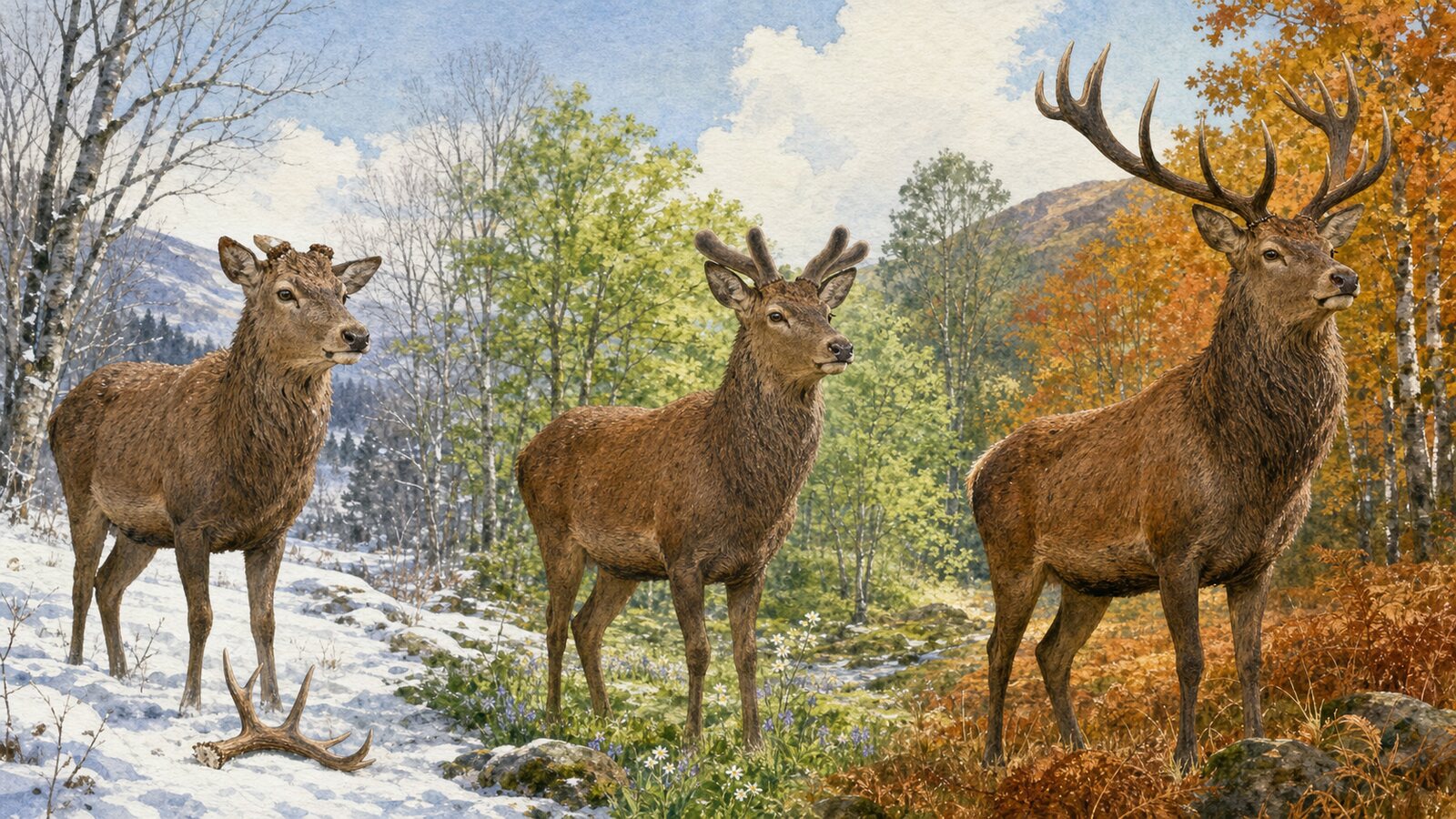
After the rut, falling hormone signals permit bone resorption at the antler-pedicle junction, so the old antler is cast. Tissues remaining on the pedicle regenerate a velvet-covered bony organ that hardens before the next breeding season.
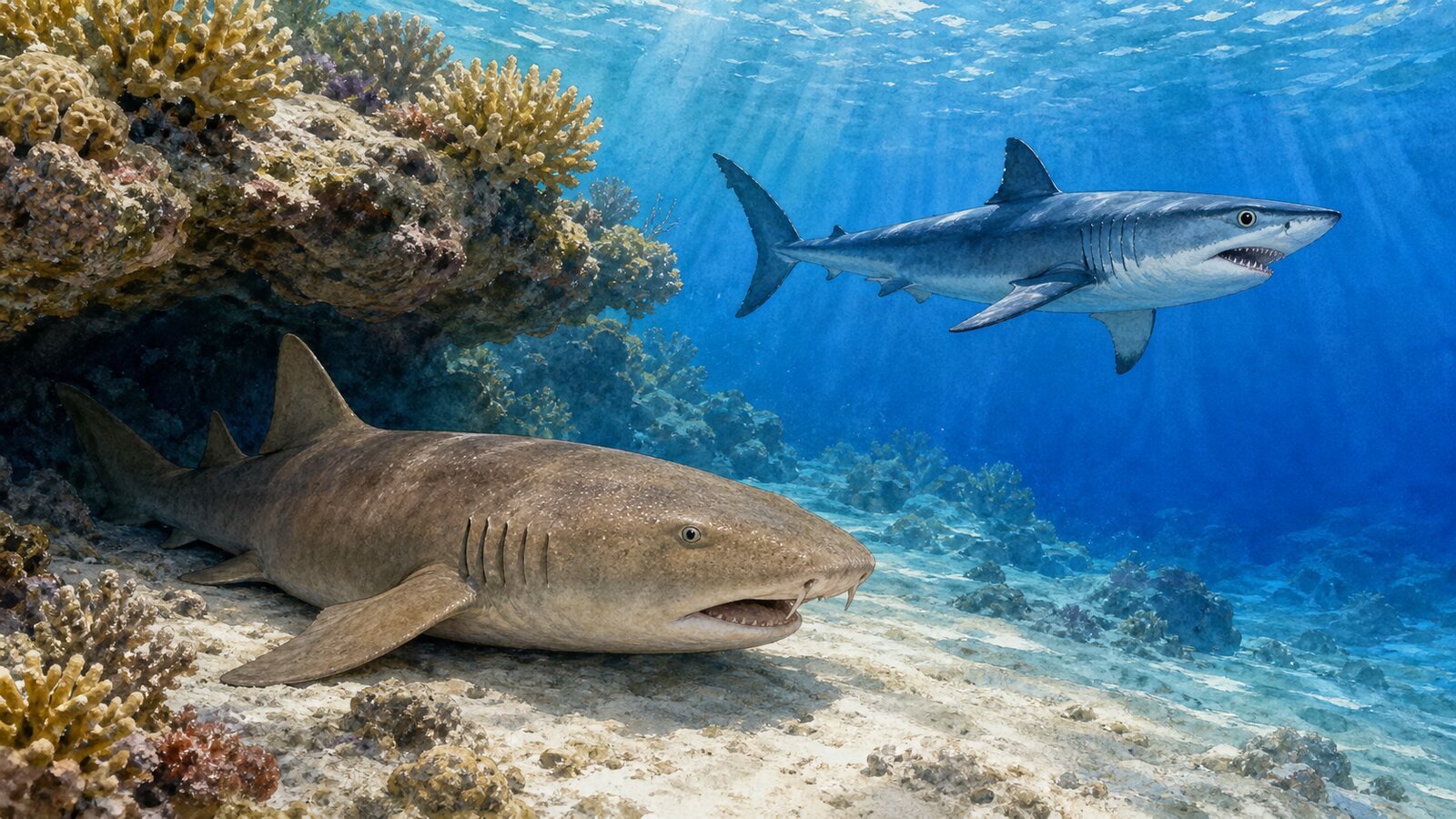
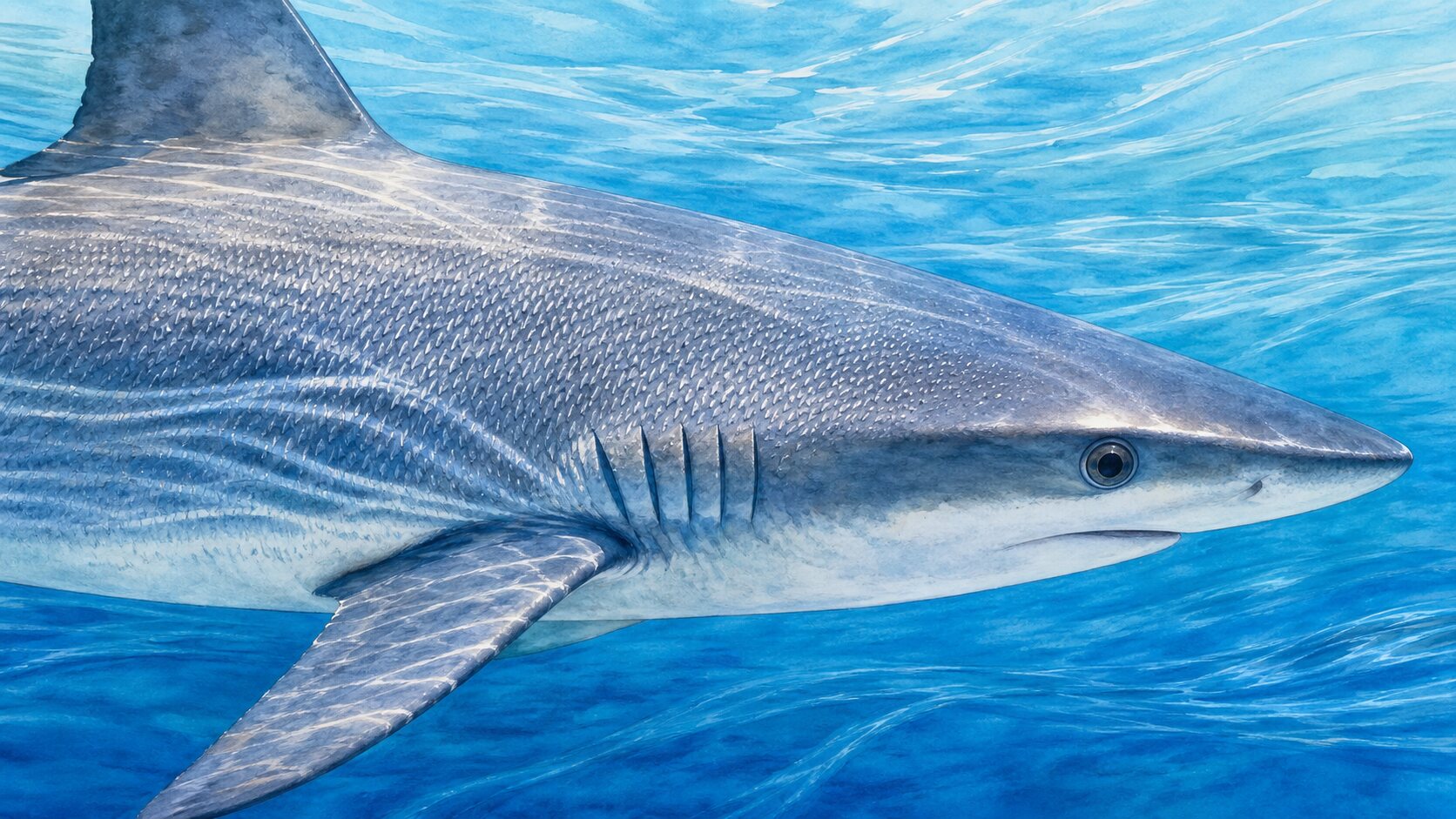
Not all sharks must swim continuously. Bottom-dwelling species can actively pump water across their gills, while some pelagic sharks depend heavily on forward flow.
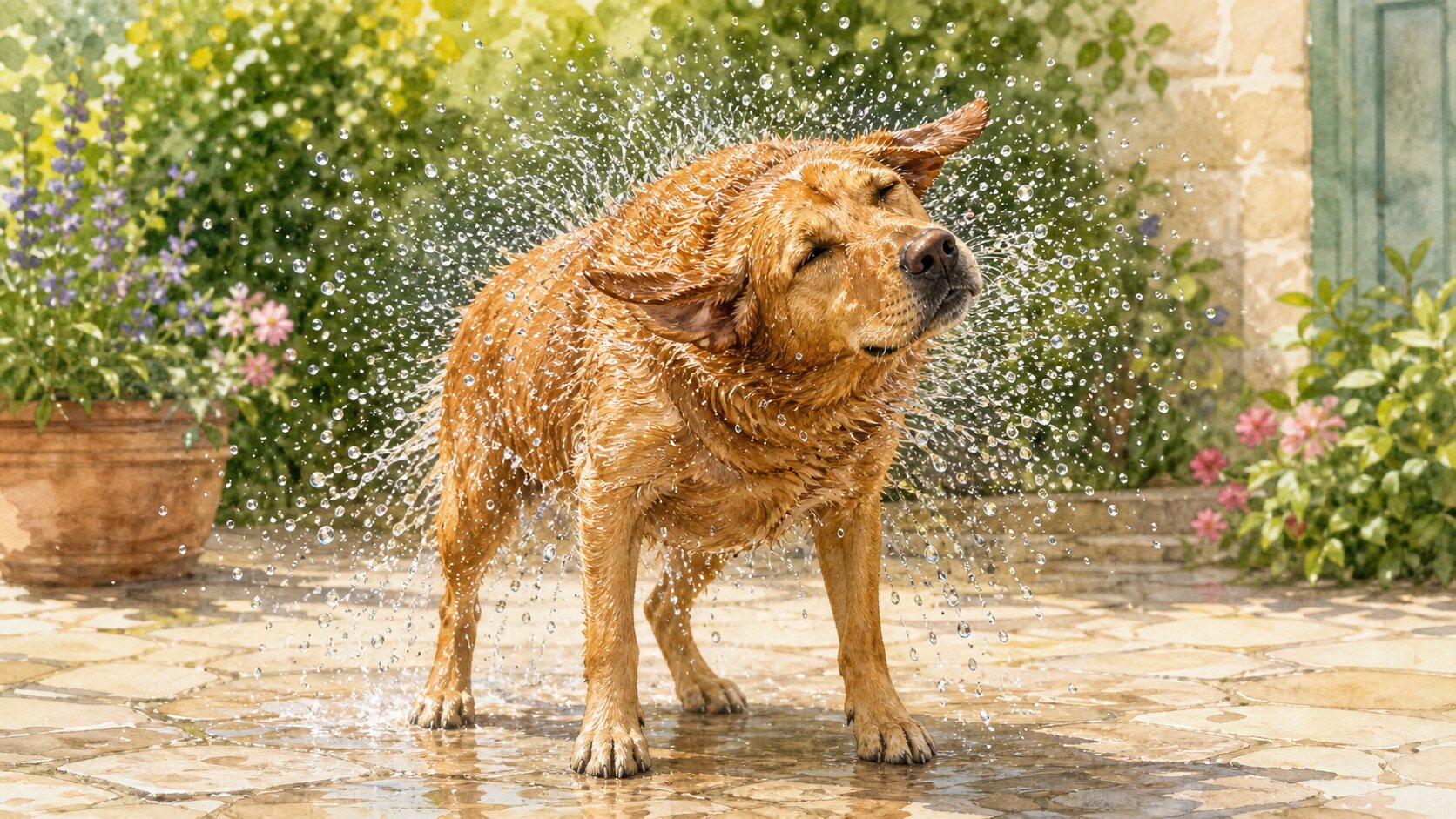
Rapid torsion around the spine whips loose skin and fur through high acceleration. When a droplet would need more inward force to follow that curved path than surface tension can provide, it detaches and flies outward.
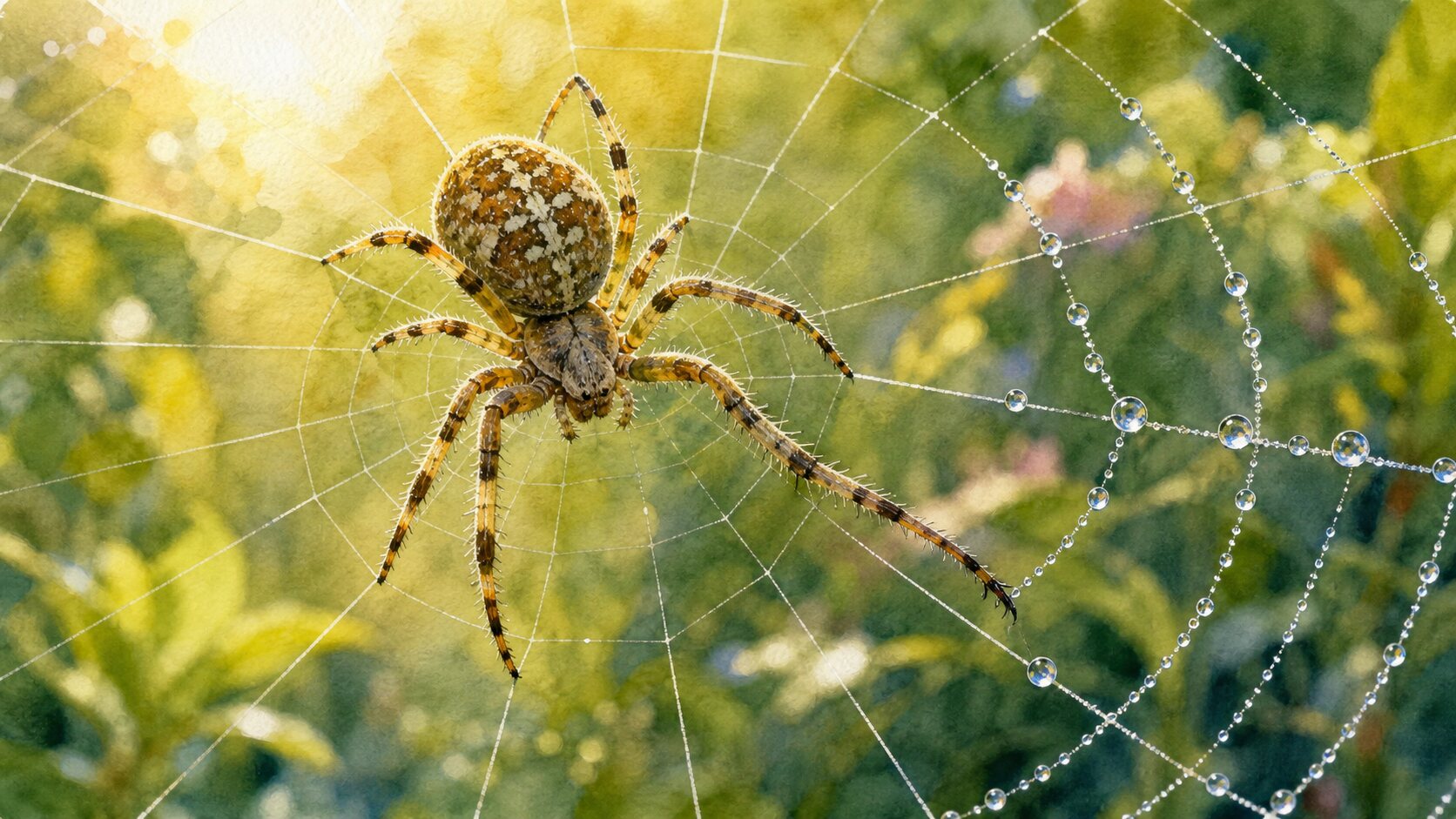
Orb webs combine dry structural lines with an adhesive capture spiral. Spiders favor the dry routes and limit contact using claws, bristles, and controlled steps; a surface coating may add protection in some species.
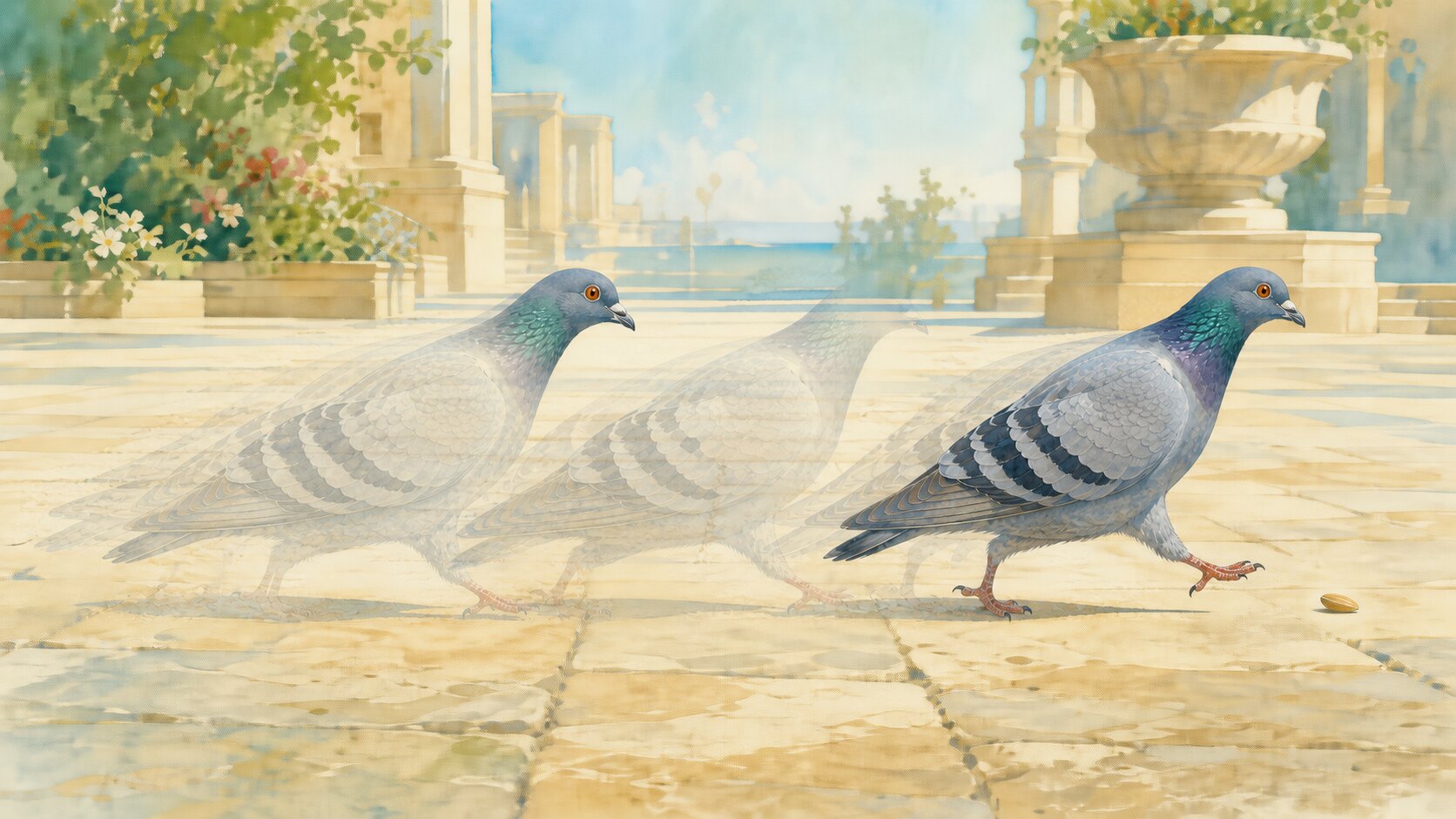
A pigeon briefly holds its head stable in space, then thrusts it to a new viewing position. This hold-and-thrust cycle gives the retina repeated stable intervals while the body keeps moving.
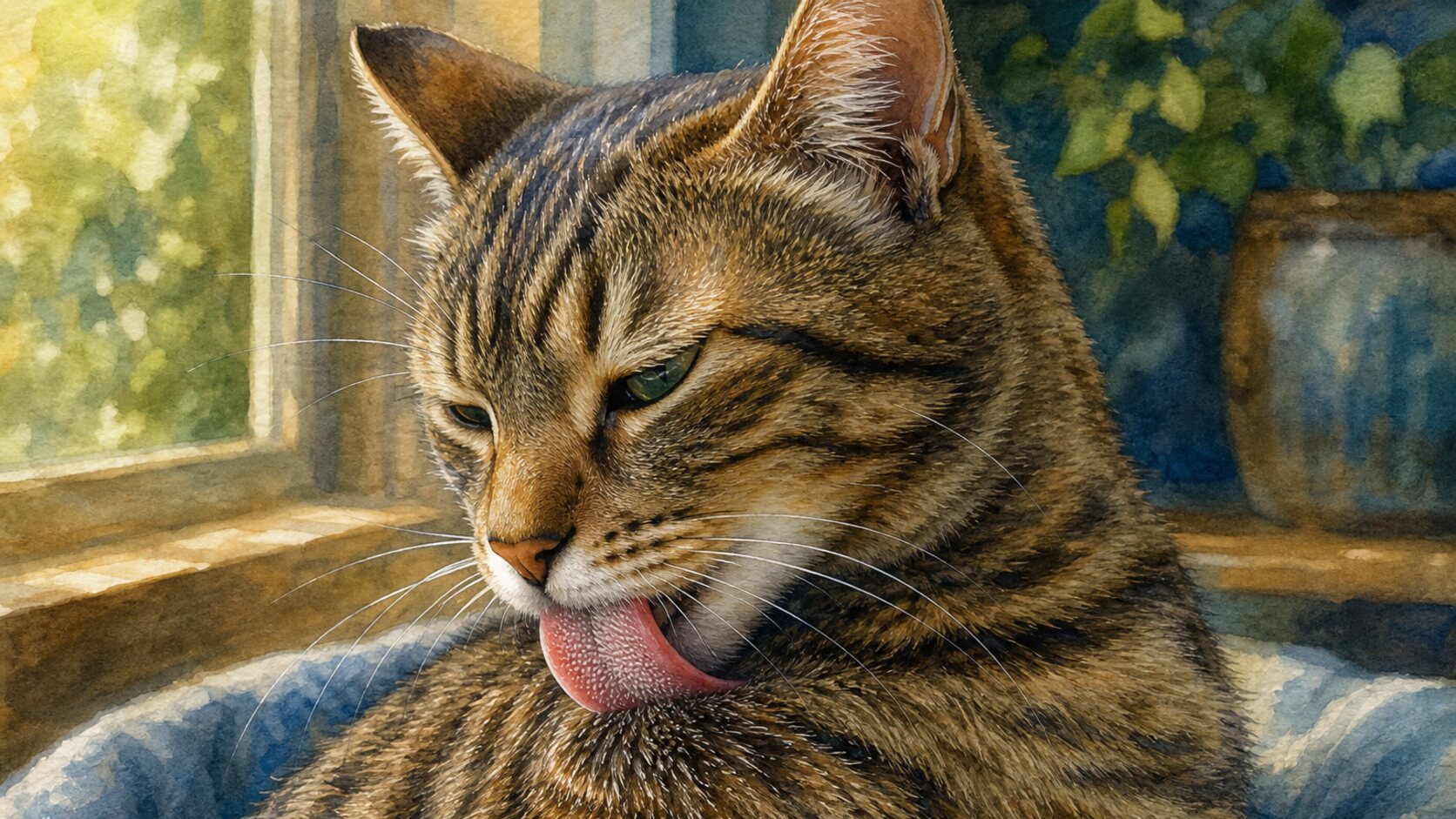
Backward-facing keratin papillae comb fur, while U-shaped grooves at their tips wick saliva toward the hair roots. The roughness comes from a directional grooming system rather than taste buds.
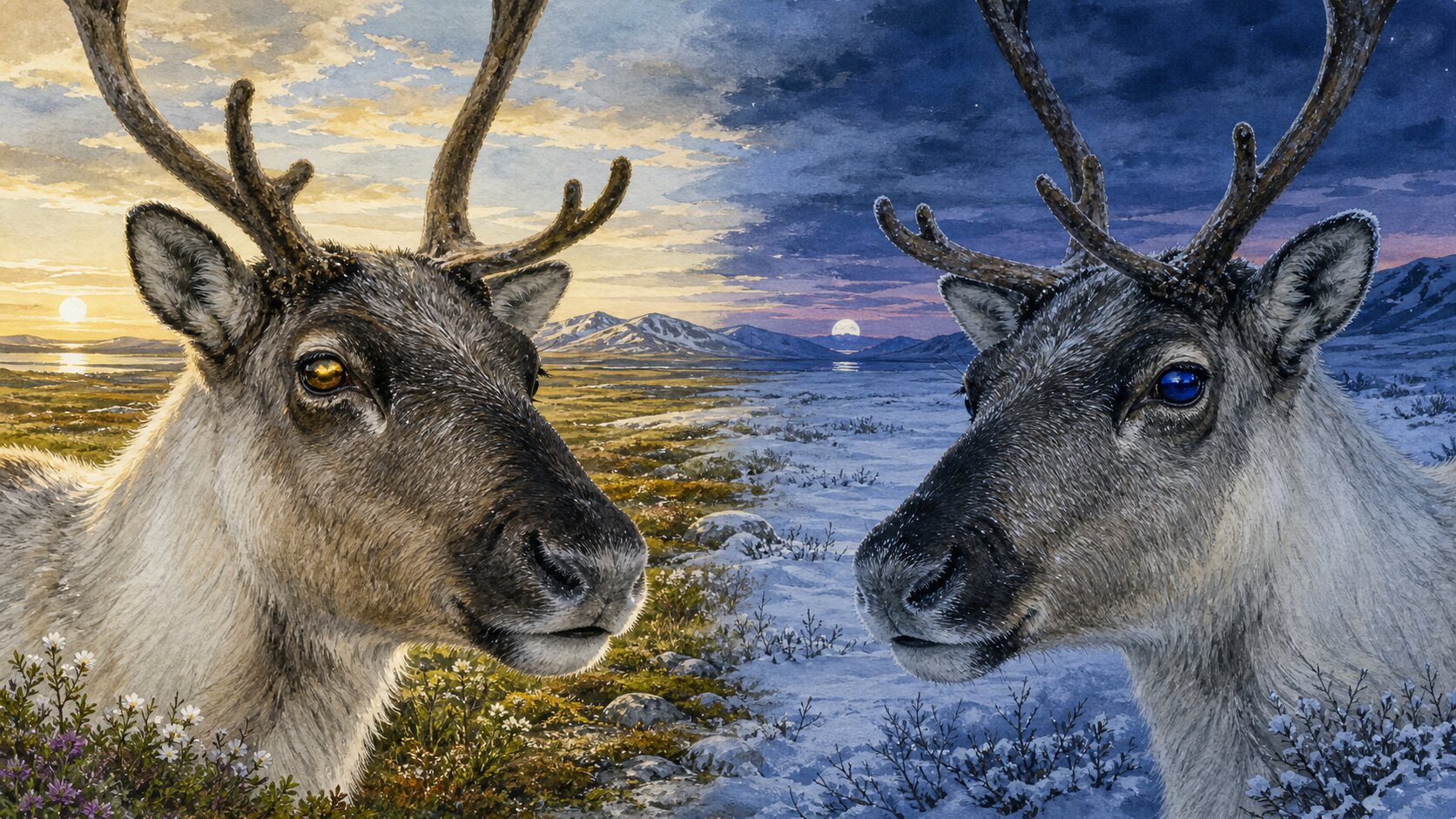
Seasonal changes occur in the collagen reflector behind the retina, not in iris pigment. Its deep-blue winter configuration scatters dim Arctic light to increase sensitivity, trading away some visual sharpness.
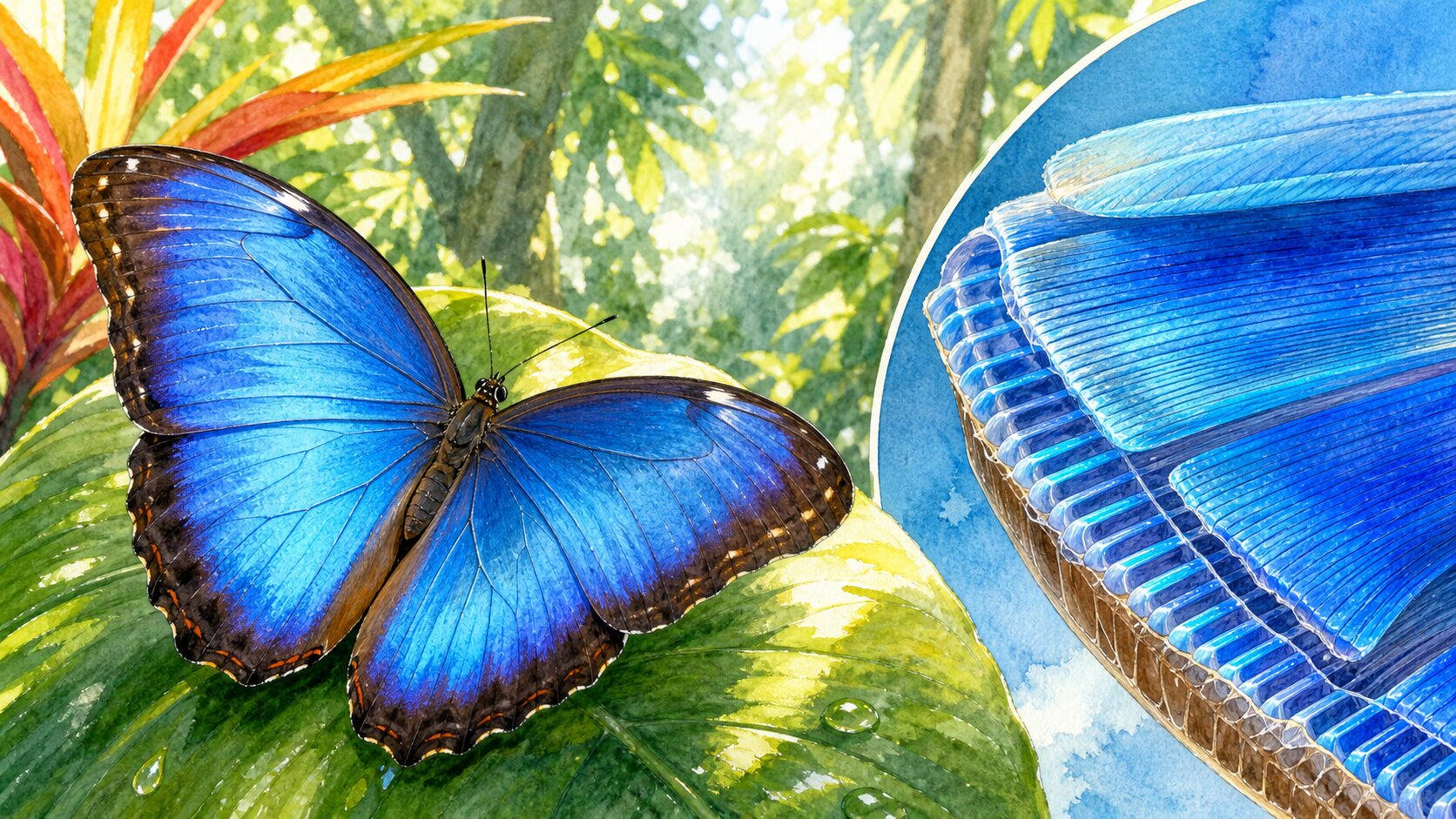
Blue Morpho wings use chitin-air nanostructures to reinforce blue reflected light. Their color is structural, so brightness and hue can change with scale geometry and viewing angle.
Riblets inspired by shark denticles can alter near-wall turbulence and reduce skin friction when their size and orientation match the flow. Under the wrong conditions, the same texture can add drag.
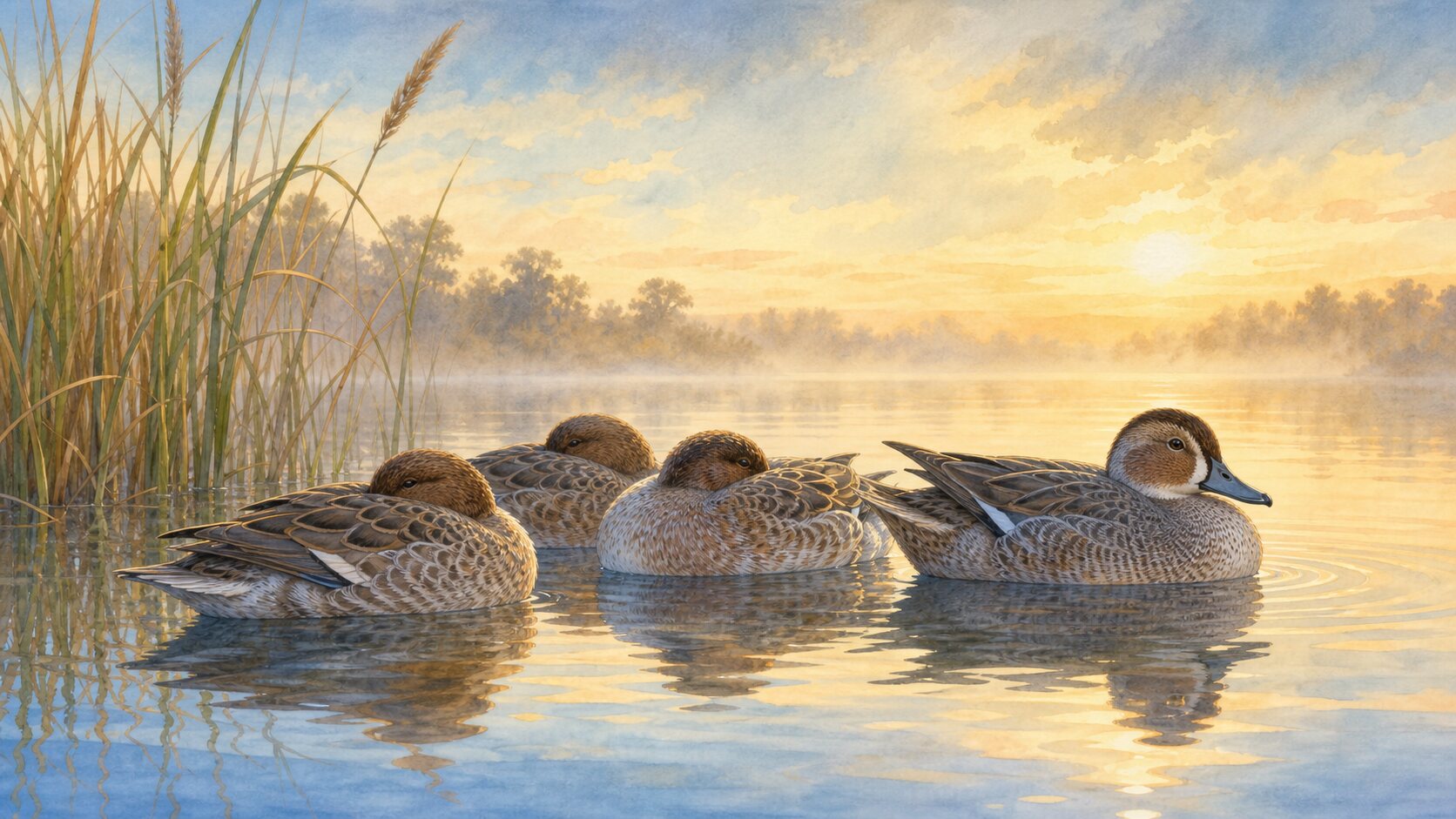
Some birds show unihemispheric sleep, with deeper non-REM activity in one brain hemisphere while the other stays relatively alert. It allows partial rest and vigilance, but varies by species and situation.
Reflective skin cells can alter the spacing of tiny crystals, changing the wavelengths of light the skin reflects. Dramatic changes often serve social signals such as courtship and rivalry rather than simple background copying.

The waggle dance’s angle encodes food direction relative to the Sun, while its straight waggle run broadly signals distance. Floral scent and nectar samples help followers identify the right destination.

Many bats combine vision with echolocation, analysing echoes from their own calls. Timing, loudness and change in an echo offer clues about distance, direction and objects around them.

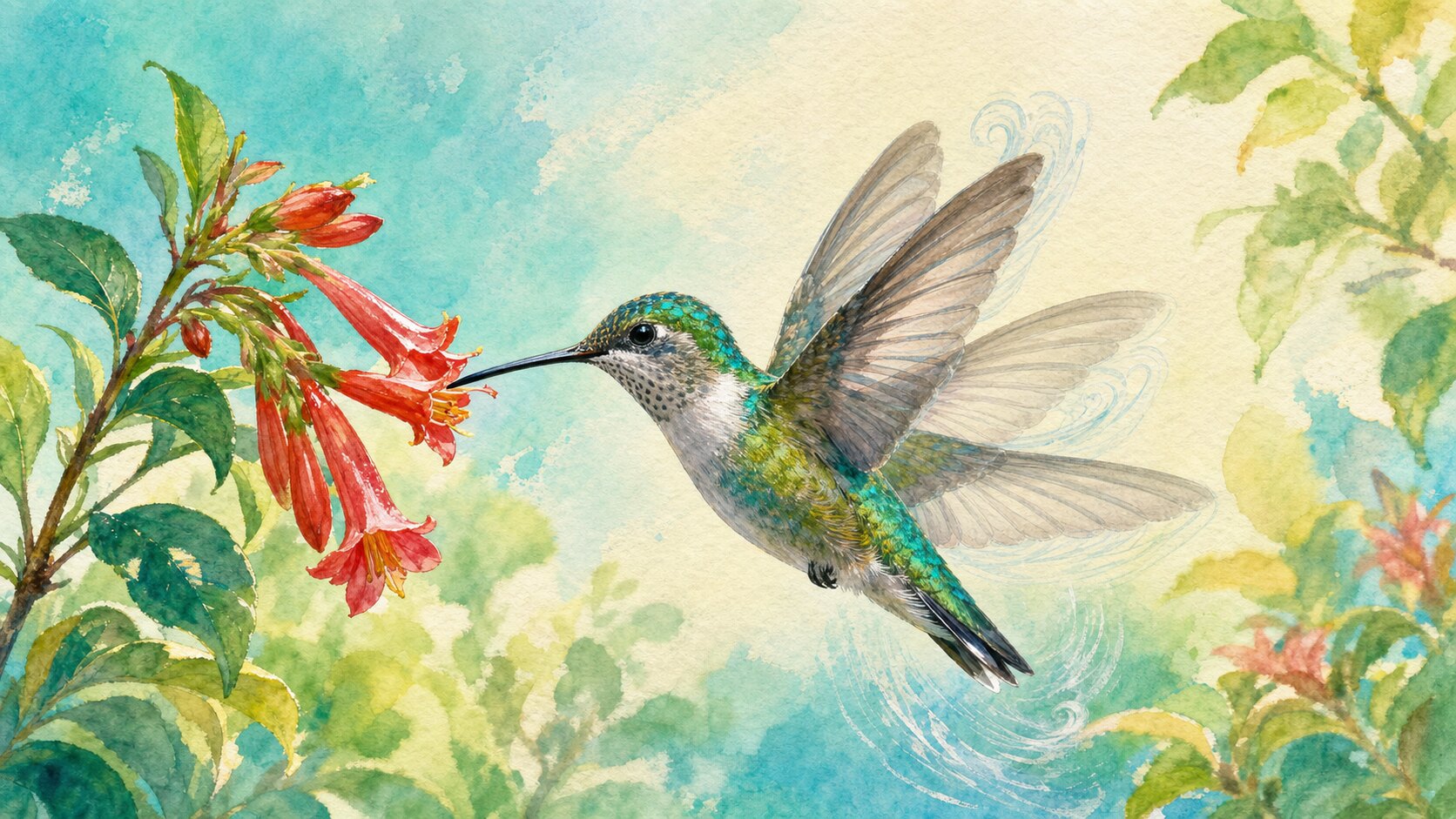
A hummingbird rotates and sweeps its wings to generate lift on both downstroke and upstroke. It holds position when horizontal forces cancel and upward force balances its weight.
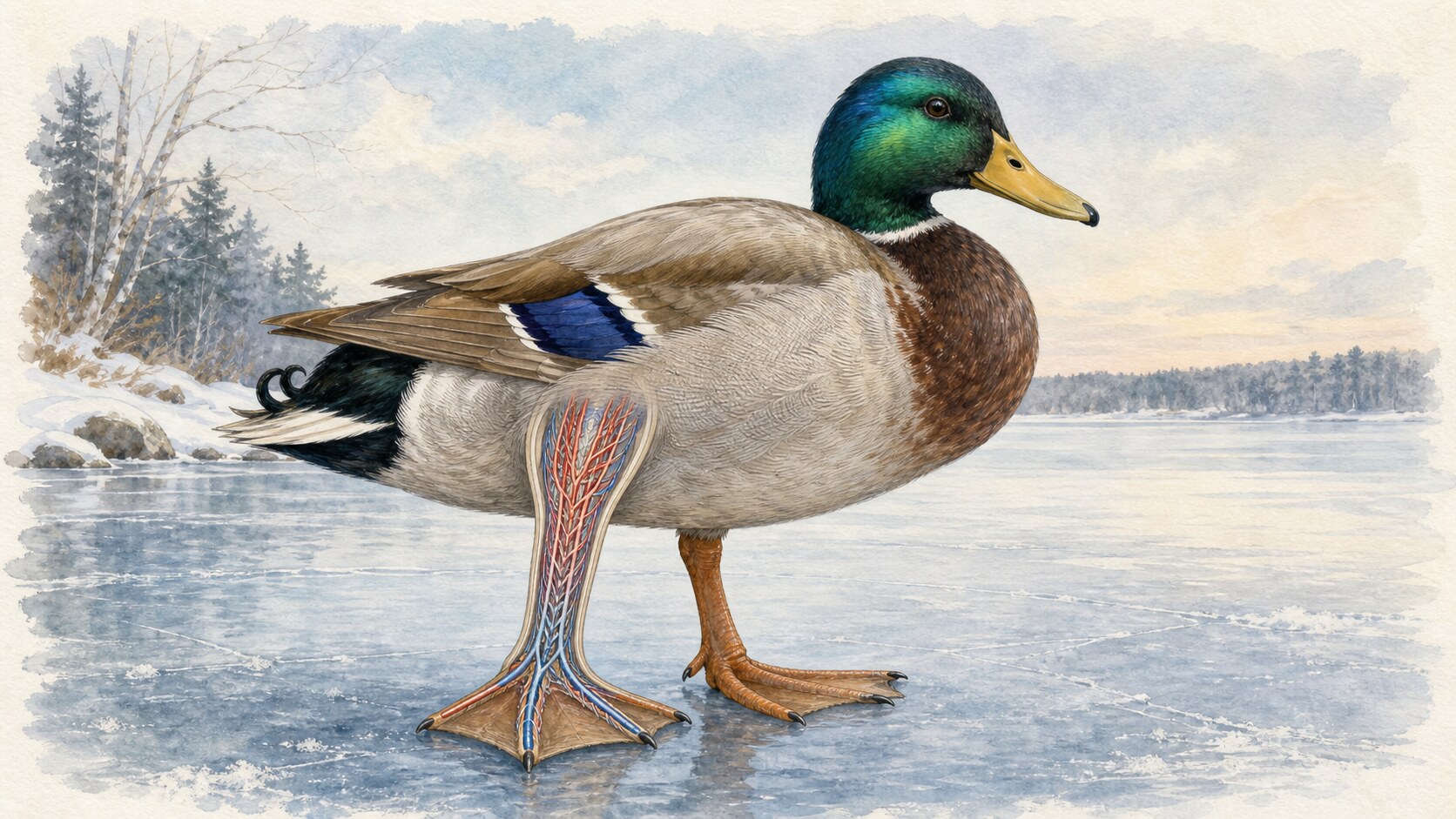
Closely paired arteries and veins recover body heat through countercurrent exchange. Rather than warming the feet like the core, birds regulate them near freezing to limit both heat loss and tissue damage.
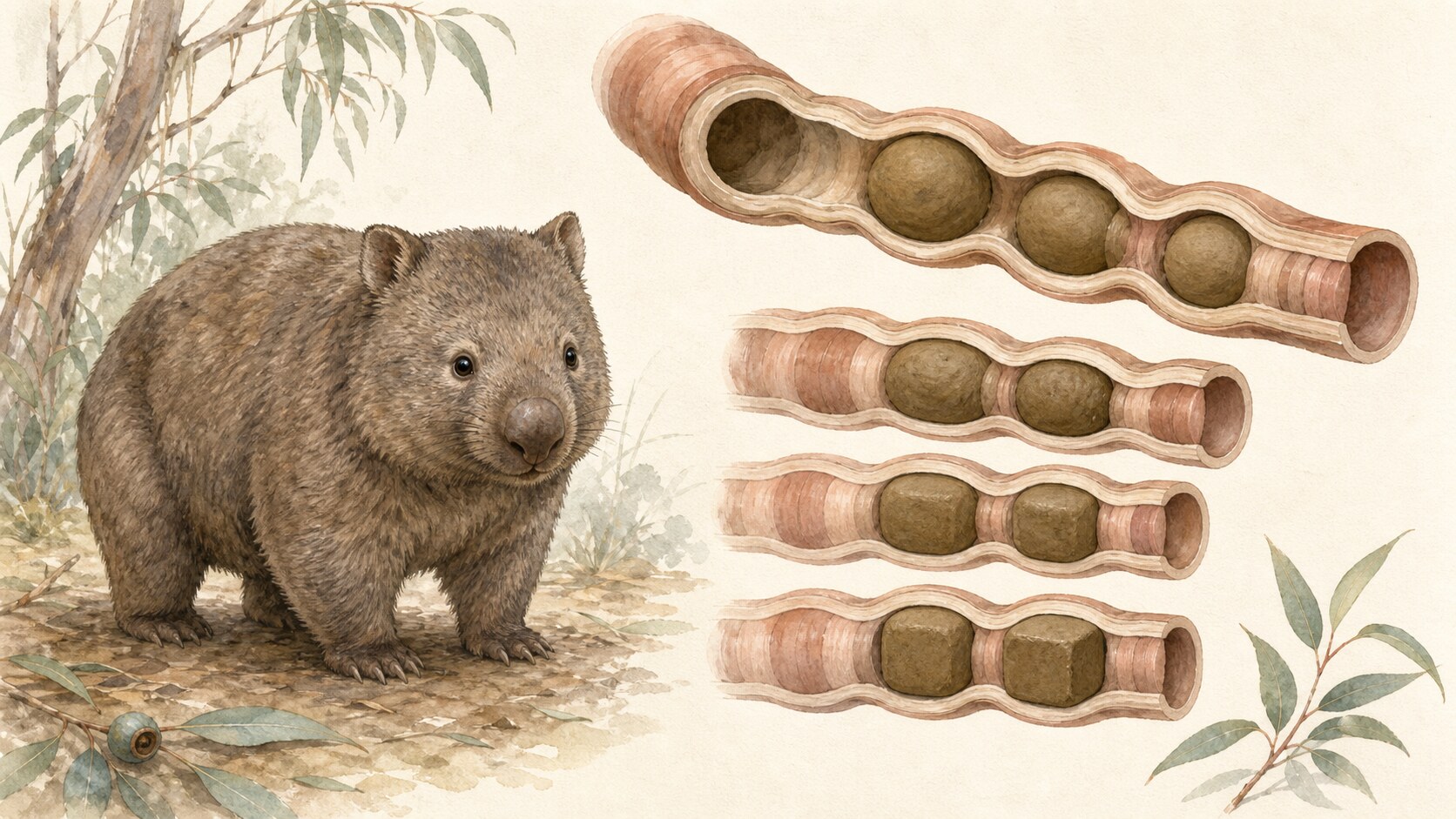
As material dries in the final intestine, alternating stiff and soft wall regions contract differently to form faces and corners. A scent-marking benefit remains a plausible hypothesis.
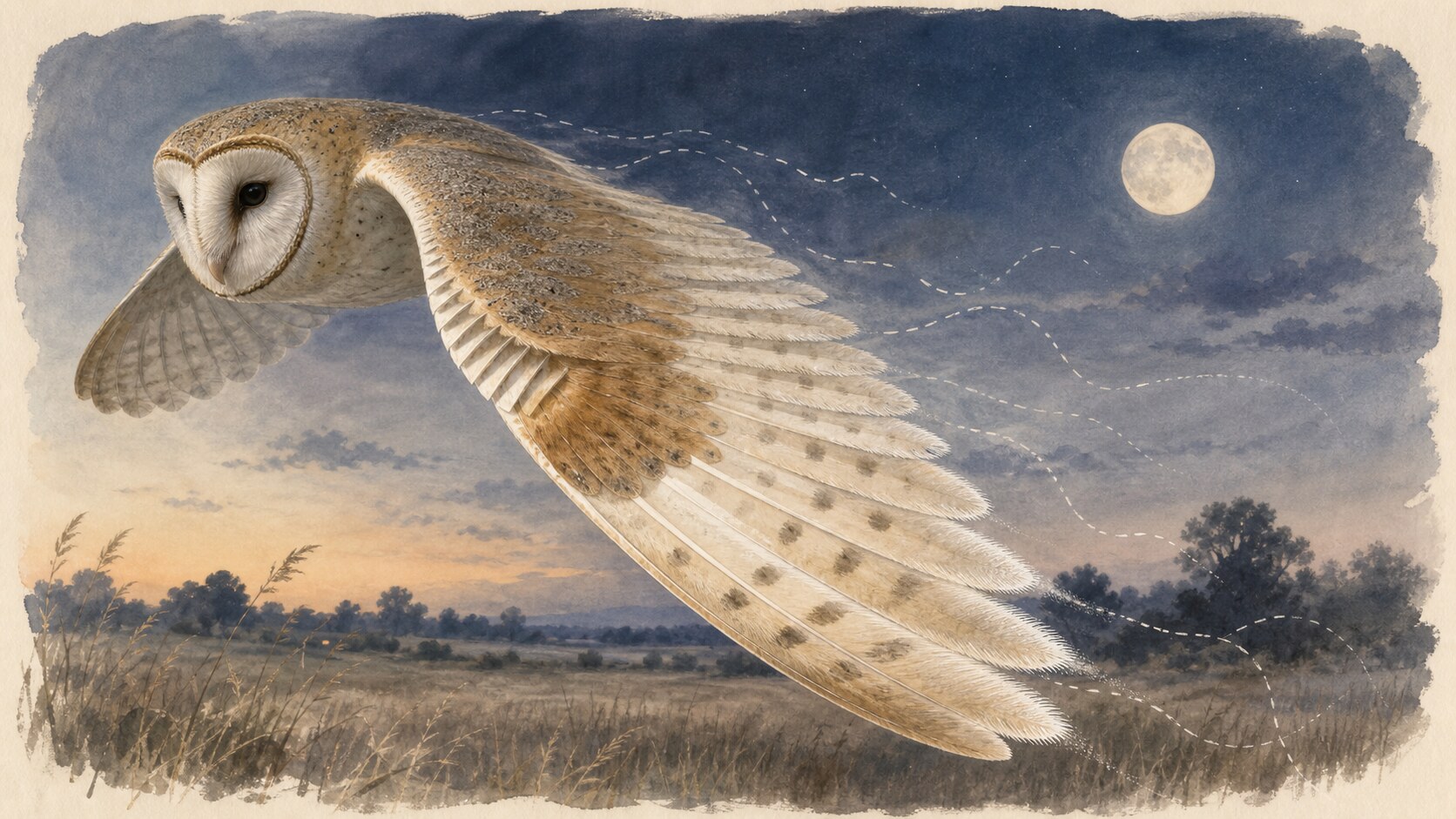
Leading-edge combs, trailing fringes, velvety feather surfaces and slow flight break up aerodynamic noise. The result is not silence, but a major advantage for hunting and hearing.
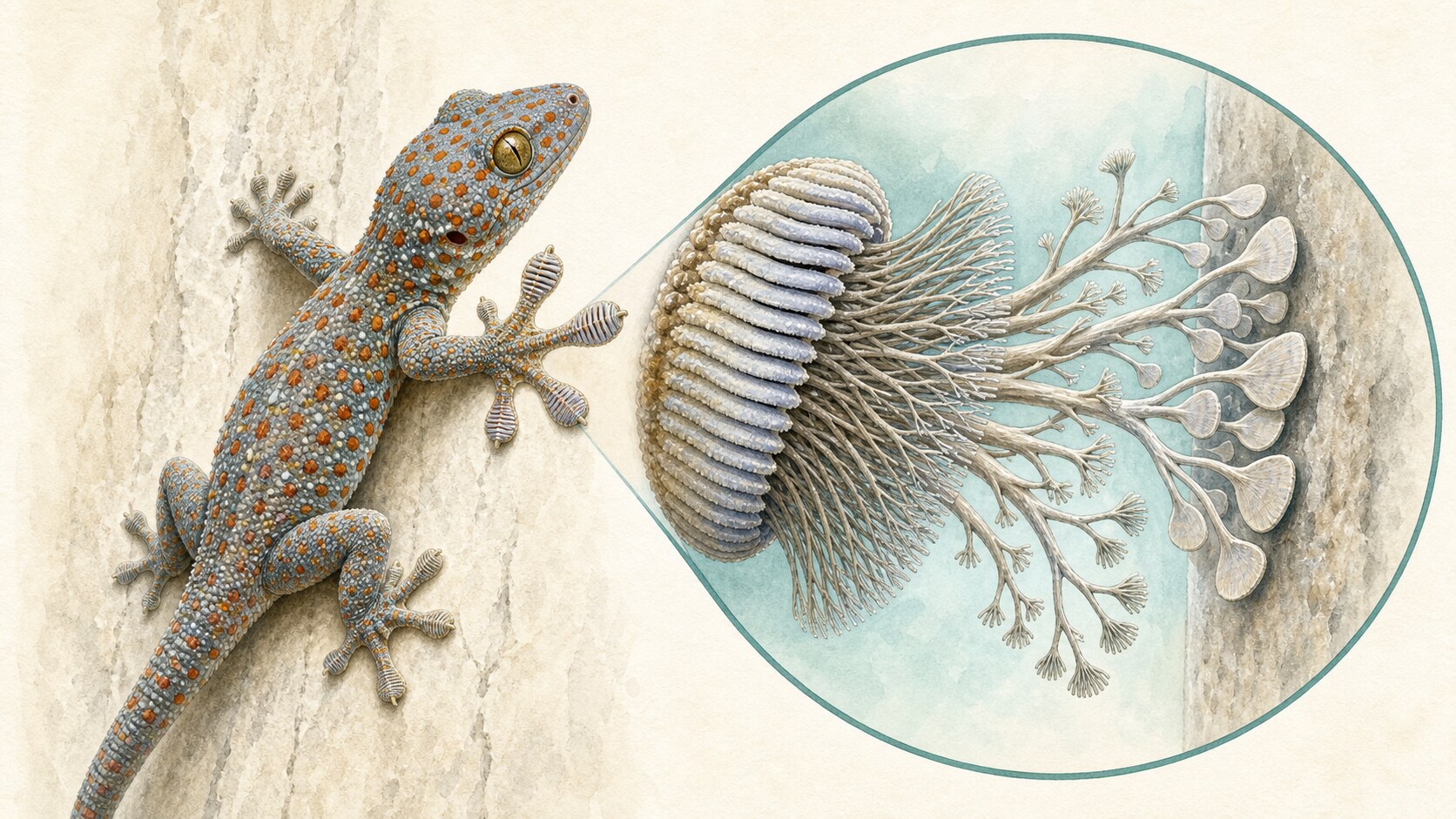
Branching setae and spatula-shaped tips approach surfaces closely enough to combine millions of weak van der Waals attractions. Directional loading switches the grip on and off.
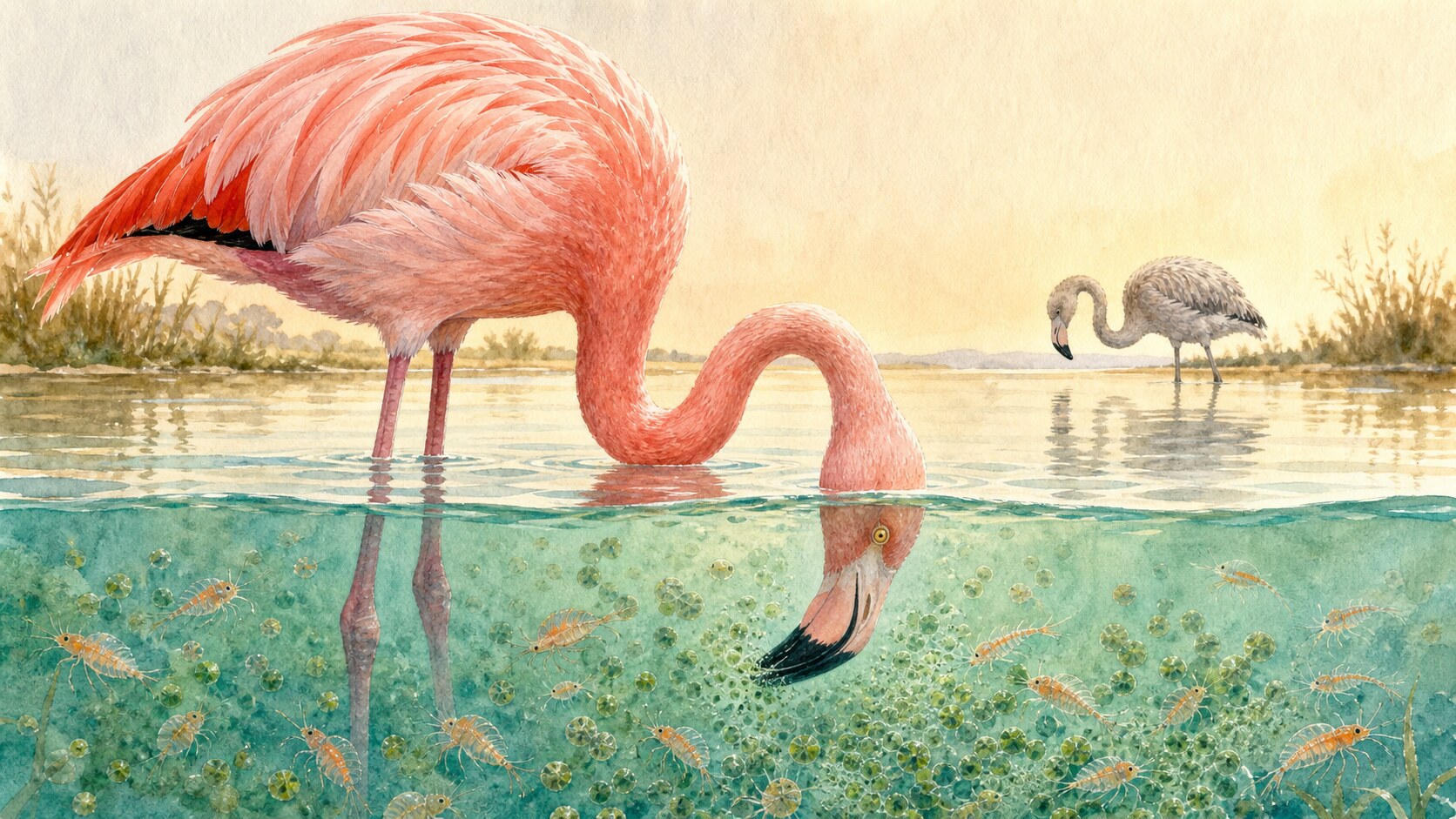
Carotenoids from algae and small crustaceans are processed into pigments deposited in skin and growing feathers. Chicks begin gray-white and become pink as they mature and feed.
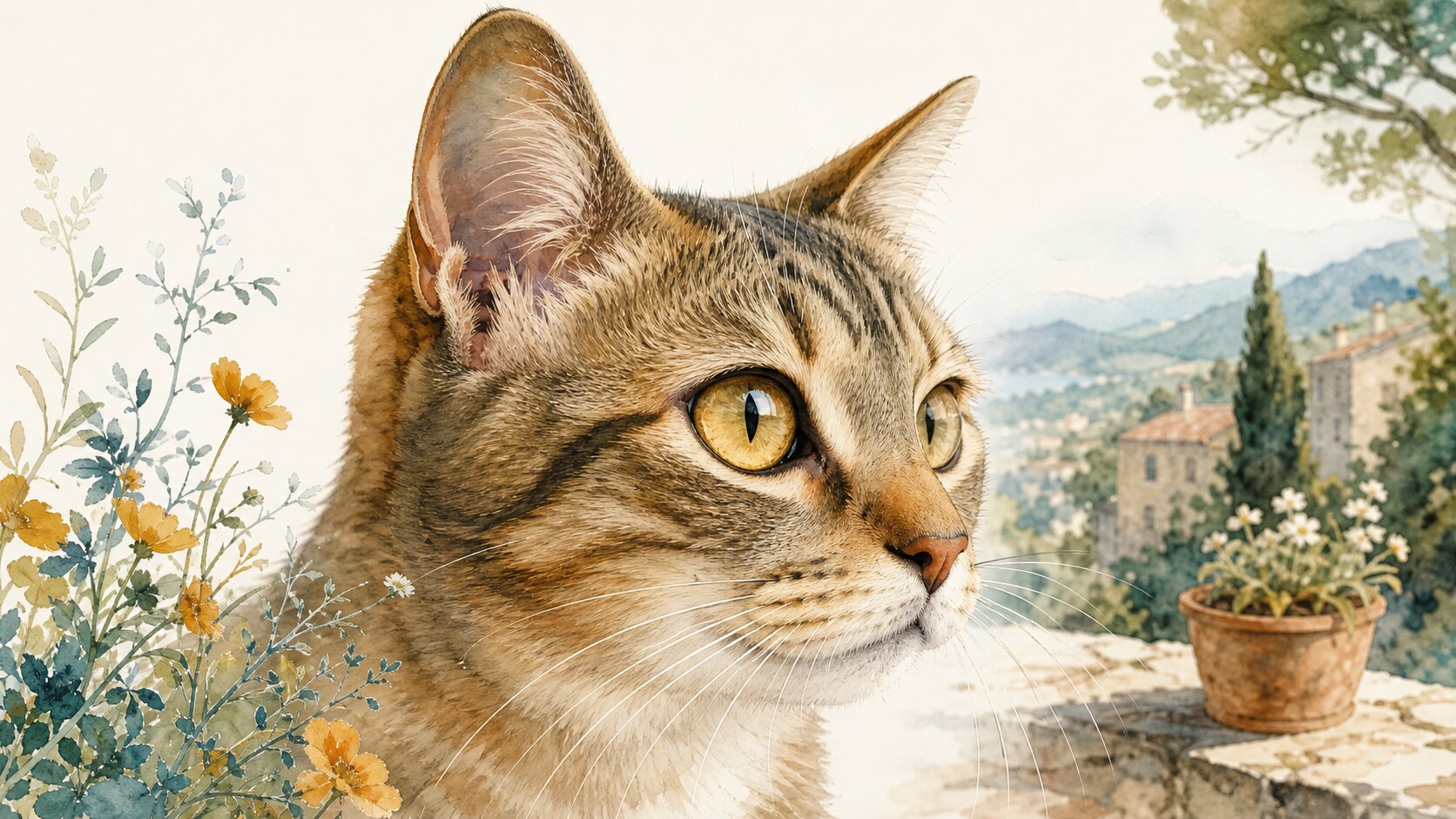
A cat's vertical pupils do more than control light. Research connects their shape with judging distance while ambushing prey close to the ground.
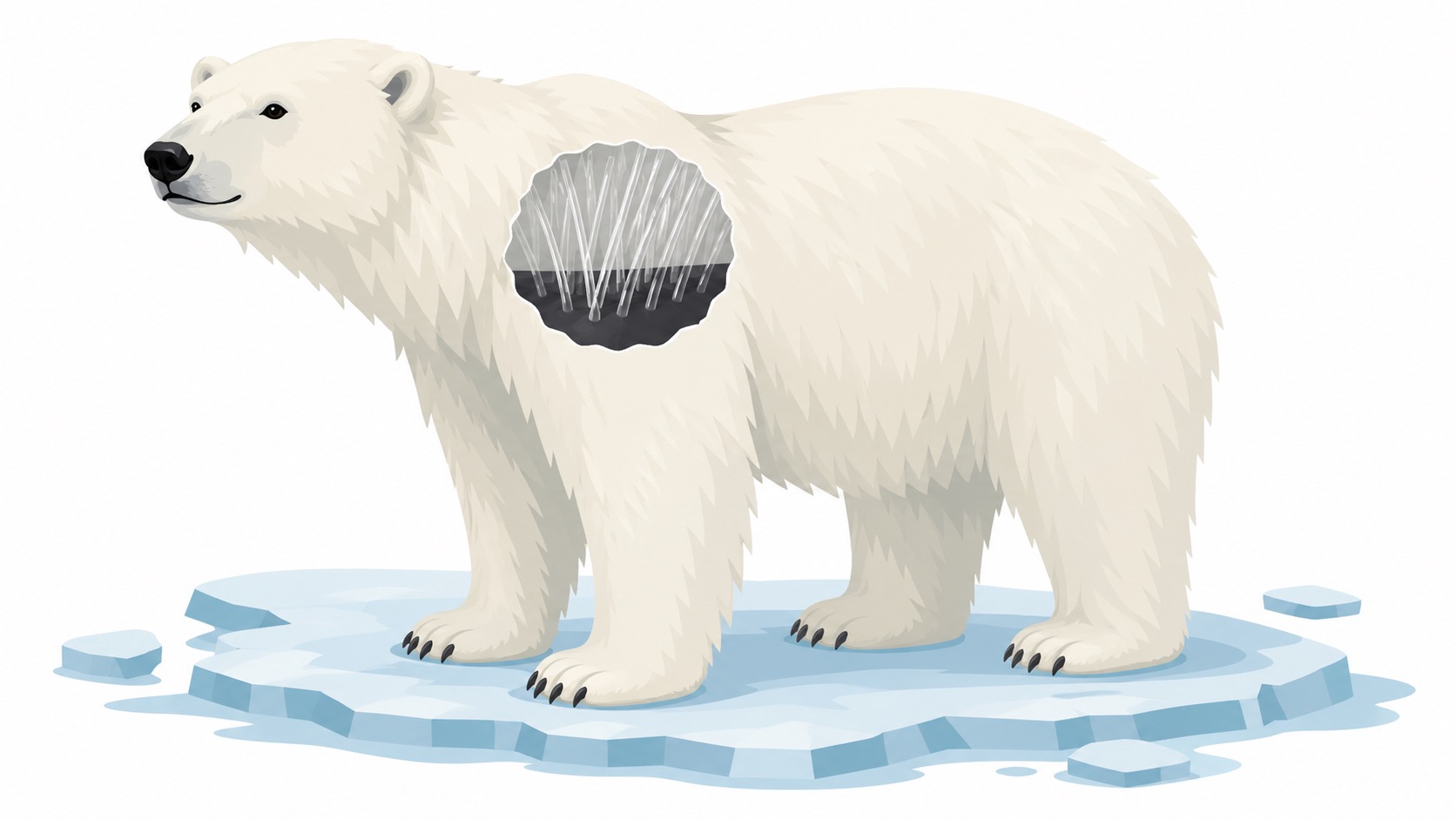
Individual polar bear hairs are largely colorless, but light scattering through the dense coat makes the animal look white against the Arctic landscape.
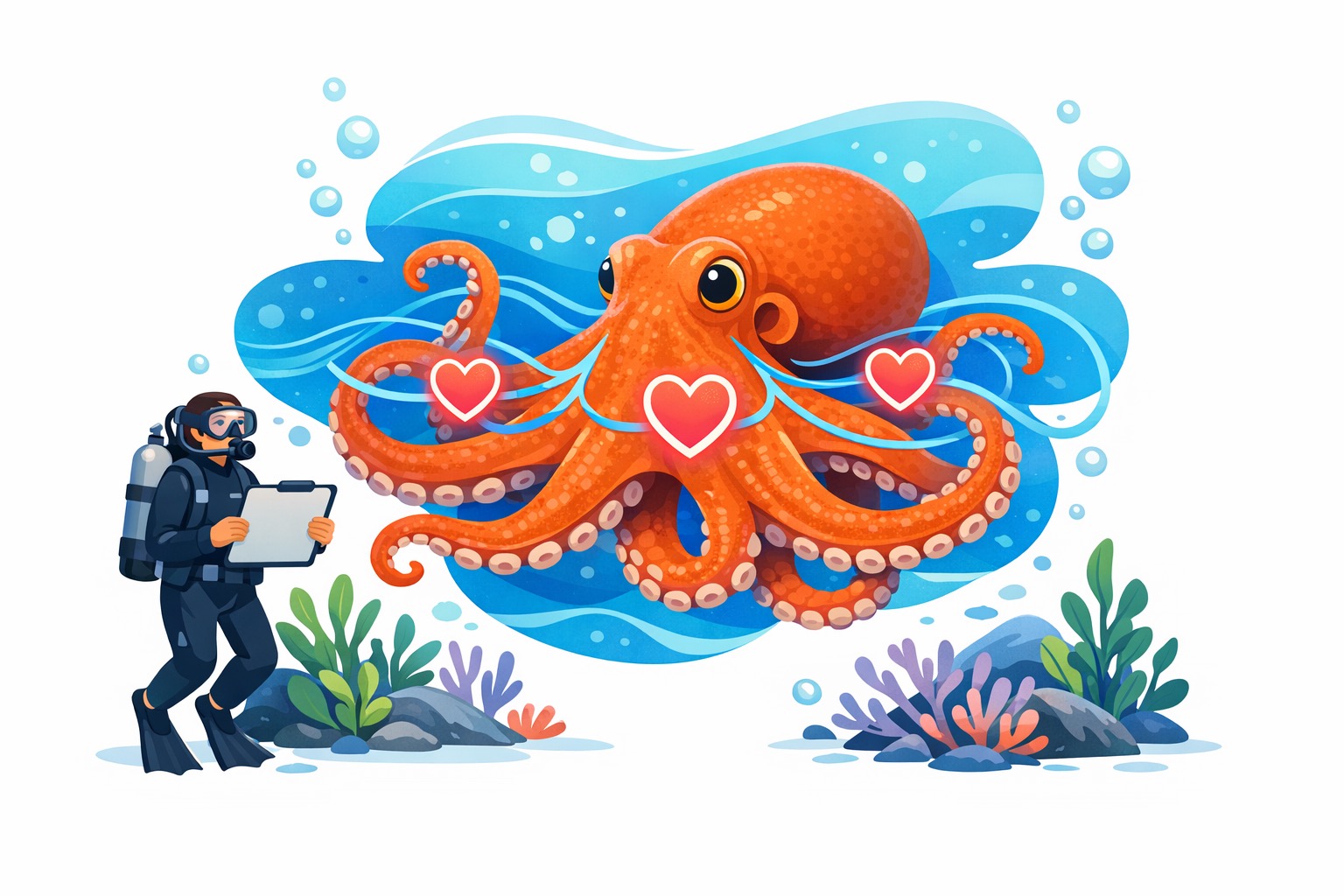
Two branchial hearts pump blood through an octopus's gills, while a systemic heart supplies the body. Copper-based hemocyanin makes oxygenated blood blue and helps explain the system's unusual design.