A stranger arrived in the English village of Almondsbury in 1817 speaking a language nobody could identify. Bringing in people familiar with other languages did not resolve the problem. One word seemed to be her name: Caraboo.
She was not immediately welcomed as an honored guest. Without papers or an intelligible account of her origins, she looked to the local magistrate, Samuel Worrall, like someone who might be dealt with as a vagrant. She was sent to Bristol and spent time in an institution for the poor.
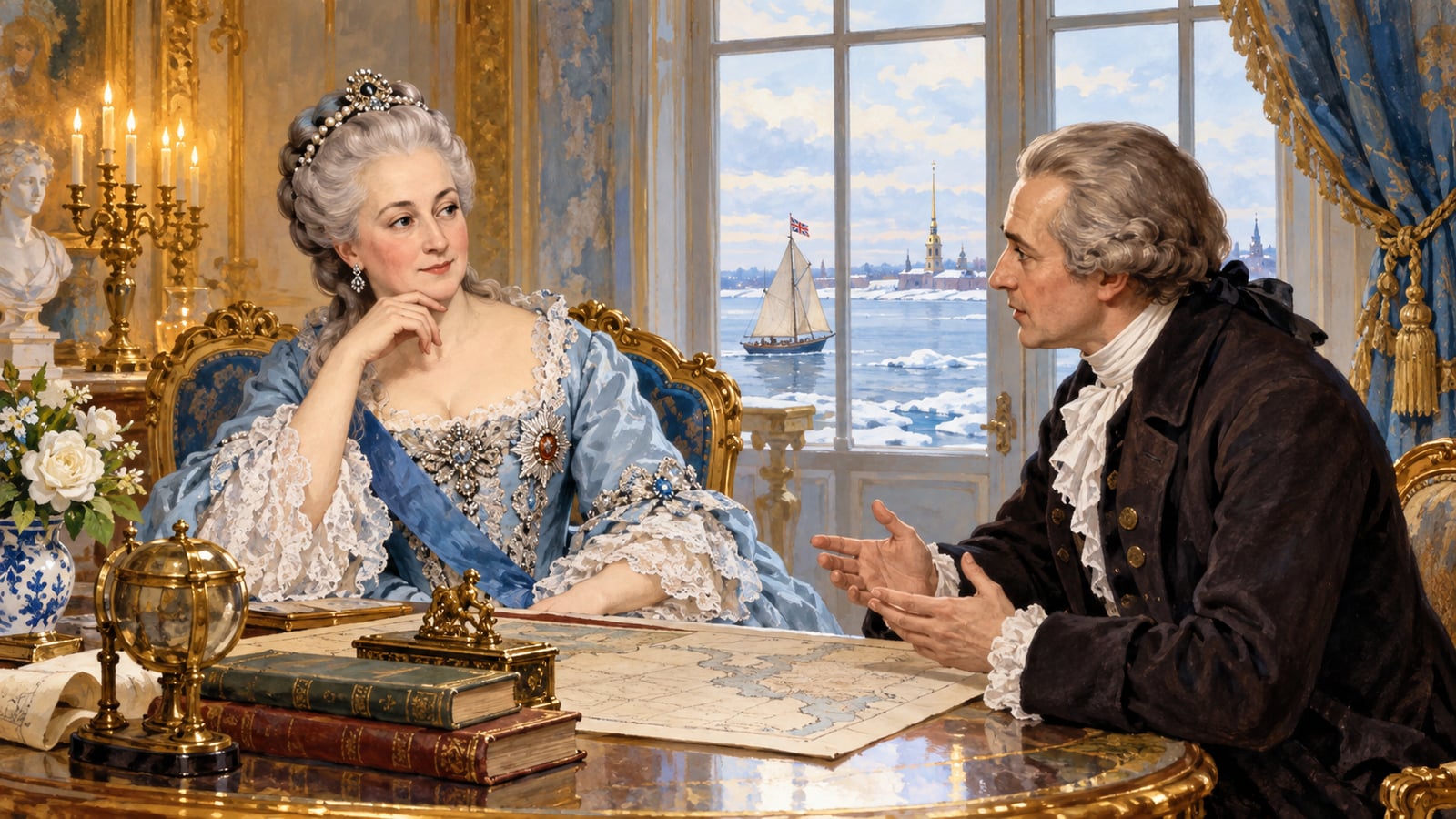
Then a man described as Portuguese offered to interpret. Through him, the stranger acquired a remarkable history. She was a woman of high rank from Javasu, an island in the Indian Ocean. Pirates had carried her away, and she had eventually escaped a ship and reached the English coast. The unidentified traveler now had a homeland, a status and an adventure.
Worrall's wife, Elizabeth, brought her into the family home. As Princess Caraboo, she became someone local dignitaries wanted to meet. The question of where to send an unknown poor woman gave way to the question of how to receive an unfamiliar royal visitor.
Caraboo sustained the role beyond conversation. She dressed distinctively, selected her food carefully and performed what observers understood as unfamiliar religious practices. An early account describes her preference for rice and preparing food herself. Visitors could interpret each unusual habit as another sign of distant origins.
Some attempted to investigate. A well-traveled visitor asked questions and recorded her answers. A doctor named Wilkinson defended her authenticity, consulting material on languages and associating marks on her body with foreign medical treatment. Yet the accumulating explanations depended on accepting what others said they could understand. Elaborate interpretation was not the same as independent confirmation.
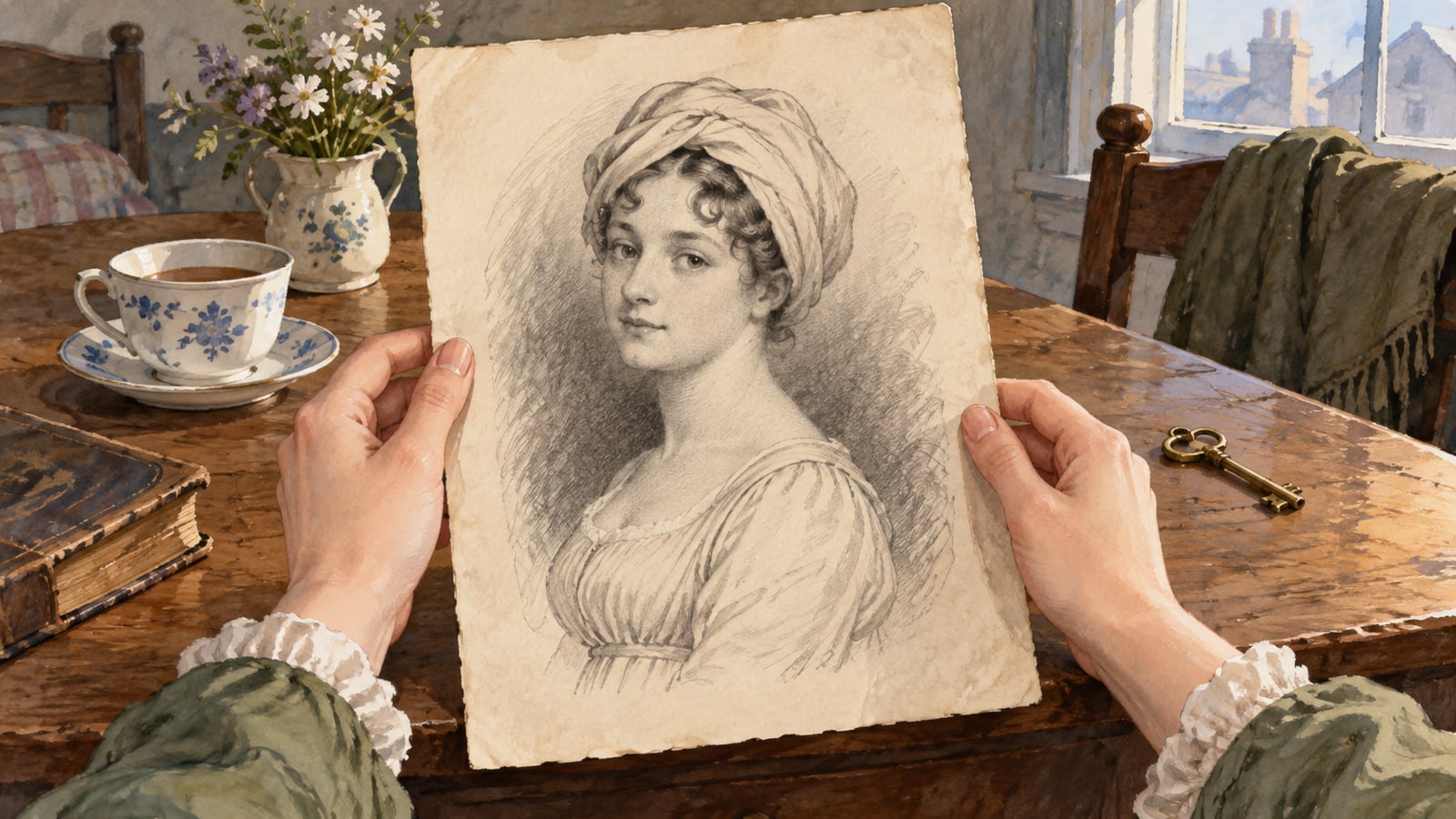
Portraits spread her fame. Her face appeared in the local press, bringing her to the attention of someone who needed no expertise in foreign languages. Mrs. Neale, a Bristol lodging-house keeper, recognized a former guest.
The woman she knew was Mary Baker, a shoemaker's daughter from Devon who had worked in domestic service. Neale did not need to locate Javasu on a map. She knew the supposed princess under another name, from an ordinary stay in her own house.
After hearing Neale's account, Mrs. Worrall confronted her guest. Mary eventually admitted the deception. The baffling language was part of the invented identity, not evidence of a distant kingdom. A performance sustained for about ten weeks could no longer hold together.
Mrs. Worrall nevertheless helped arrange Mary's passage to Philadelphia. This time the woman who had described a dramatic ocean journey really did cross the Atlantic. The ship was real, even if the story that had first brought her into the household was not.
Mary later returned to Britain, and records place her in Bristol supplying medical leeches to a hospital. Many people had tried to identify Princess Caraboo by looking toward faraway places. The decisive recognition came from much closer to home: someone remembered her as a former lodger.
EDITORIAL RESPONSIBILITY
FactosBrain Editorial Desk
The FactosBrain Editorial Desk researched and reviewed this article under our editorial policy. We assess error reports under our corrections policy.