Language
Where Did the Word OK Come From?
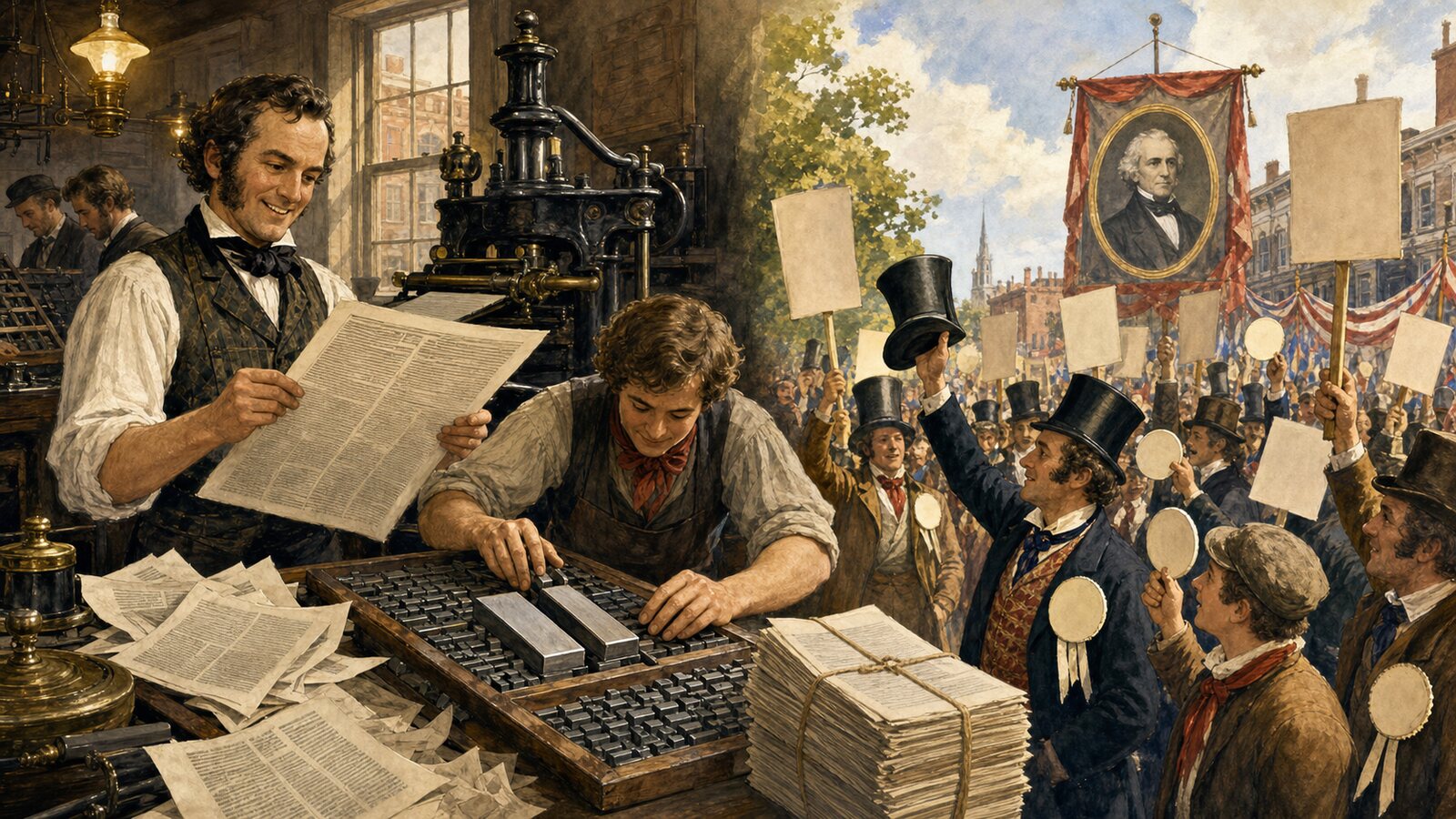
OK began as an 1839 Boston newspaper joke abbreviating a deliberate misspelling of all correct. The 1840 Old Kinderhook campaign then gave the existing expression national publicity.
LANGUAGE
OK began as an 1839 Boston newspaper joke abbreviating a deliberate misspelling of all correct. The 1840 Old Kinderhook campaign then gave the existing expression national publicity.
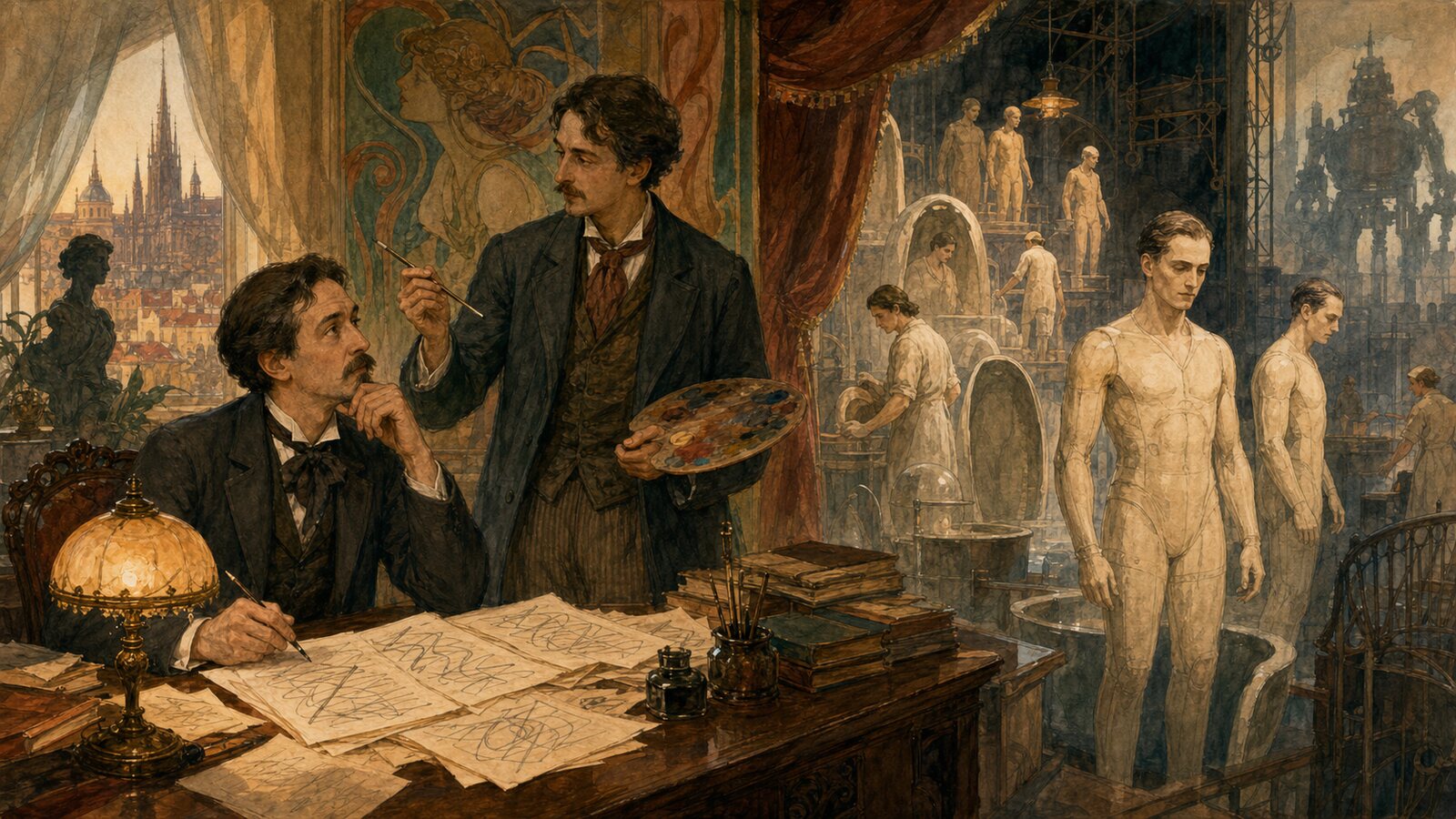
Karel Čapek introduced robot through R.U.R., but credited his brother Josef with suggesting it. The word came from Czech robota, historically associated with compulsory labor.
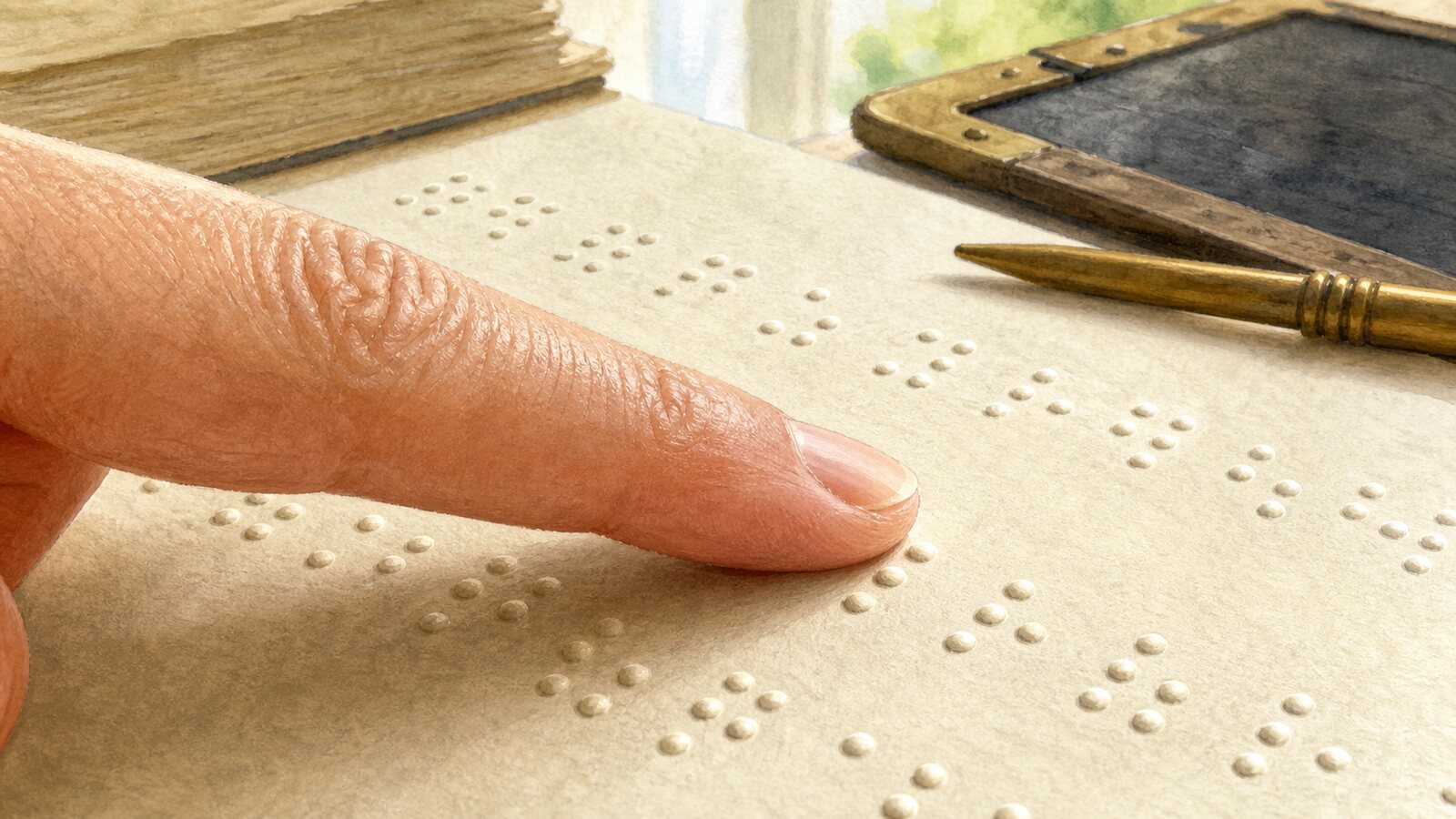
A two-by-three braille cell fits under a fingertip while yielding 64 states including the blank. Codes extend these compact tactile patterns with context, indicators, and multi-cell sequences.
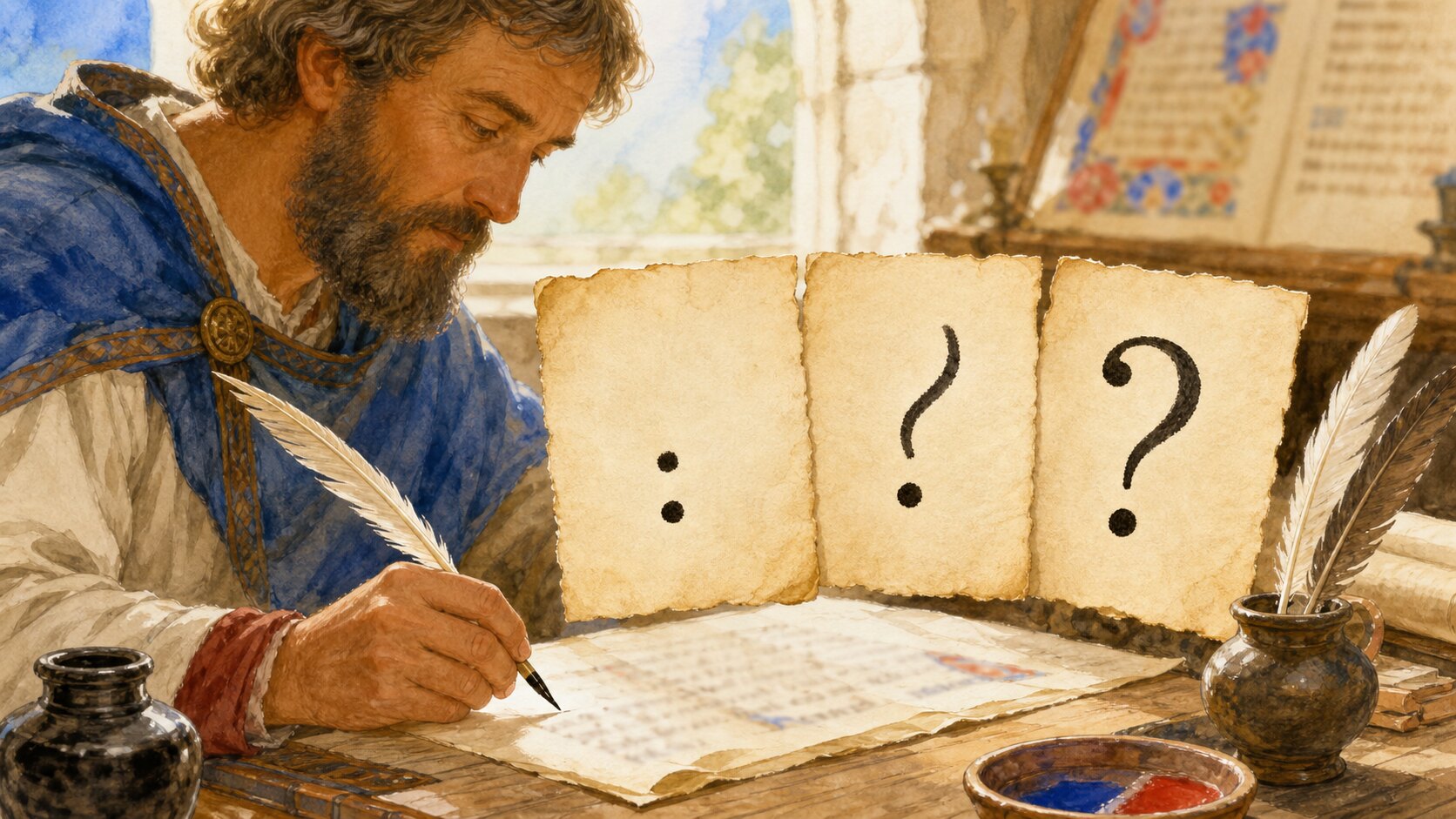
The modern question mark grew from dotted, curved interrogation signs used in late eighth-century Latin manuscripts and was stabilized by print. The familiar tale that it came from stacked q and o letters lacks a demonstrated manuscript trail.
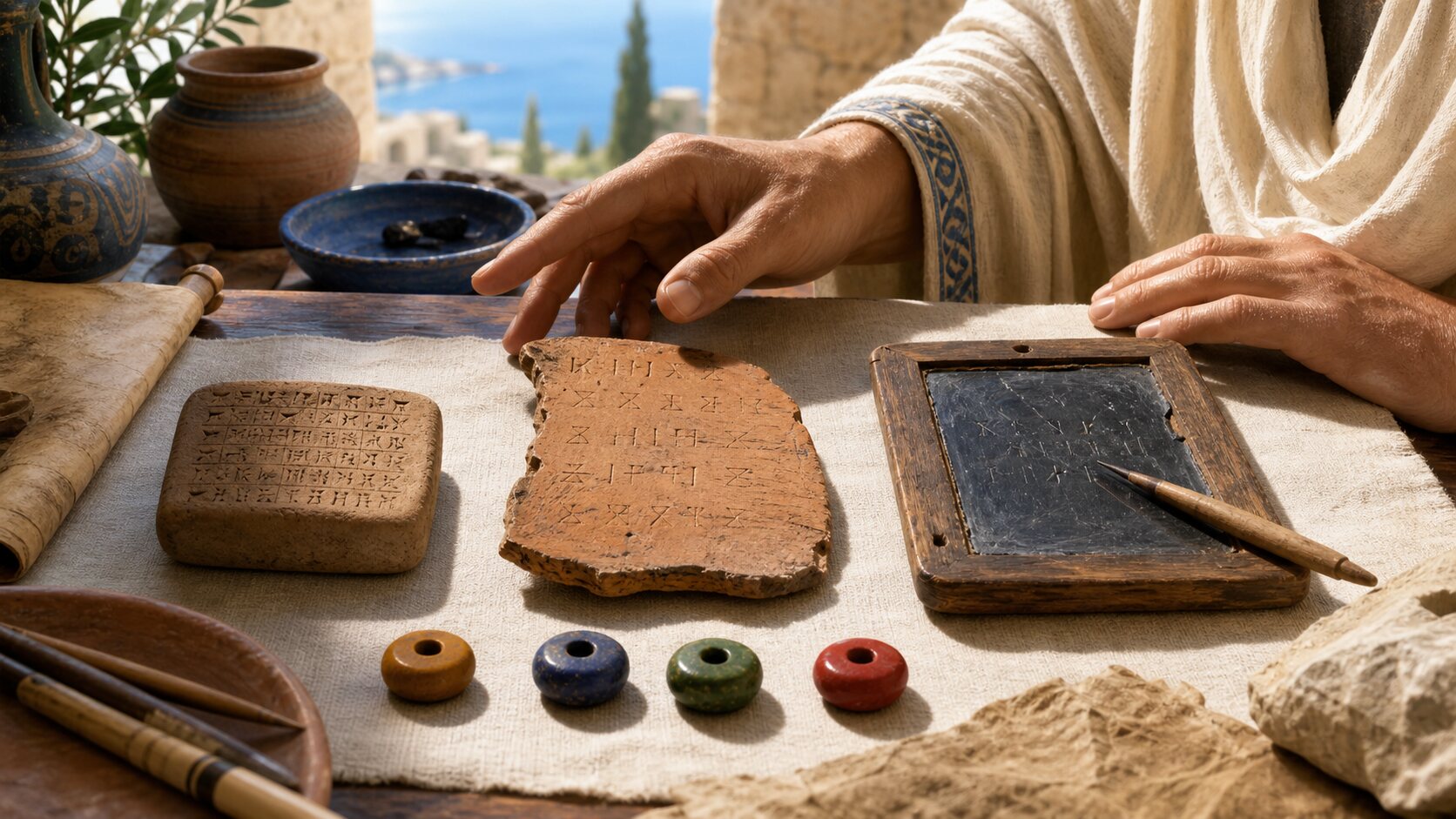
ABC order is not a natural law of sound but a cultural convention transmitted from Bronze Age West Asian scripts through Phoenician, Greek, and Latin. Its ultimate original rationale remains unknown.
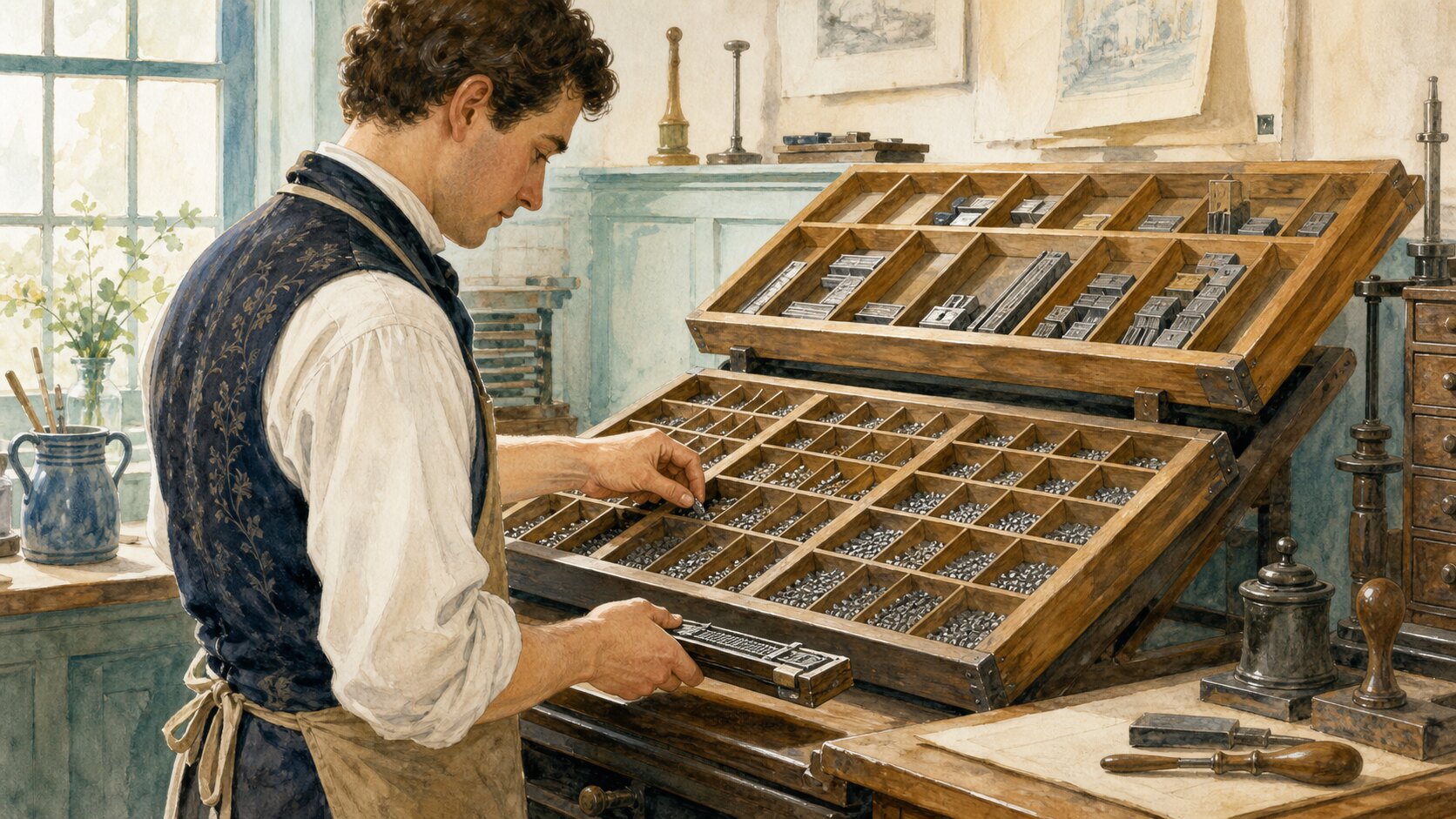
Hand compositors commonly kept capital sorts in a case above the case holding frequently used small letters. The physical coordinates of a print shop survived as digital-era letter categories.
Grammatical gender groups nouns into classes and makes articles, adjectives, or pronouns agree with them. It often differs from real-world sex and has developed differently across language histories.

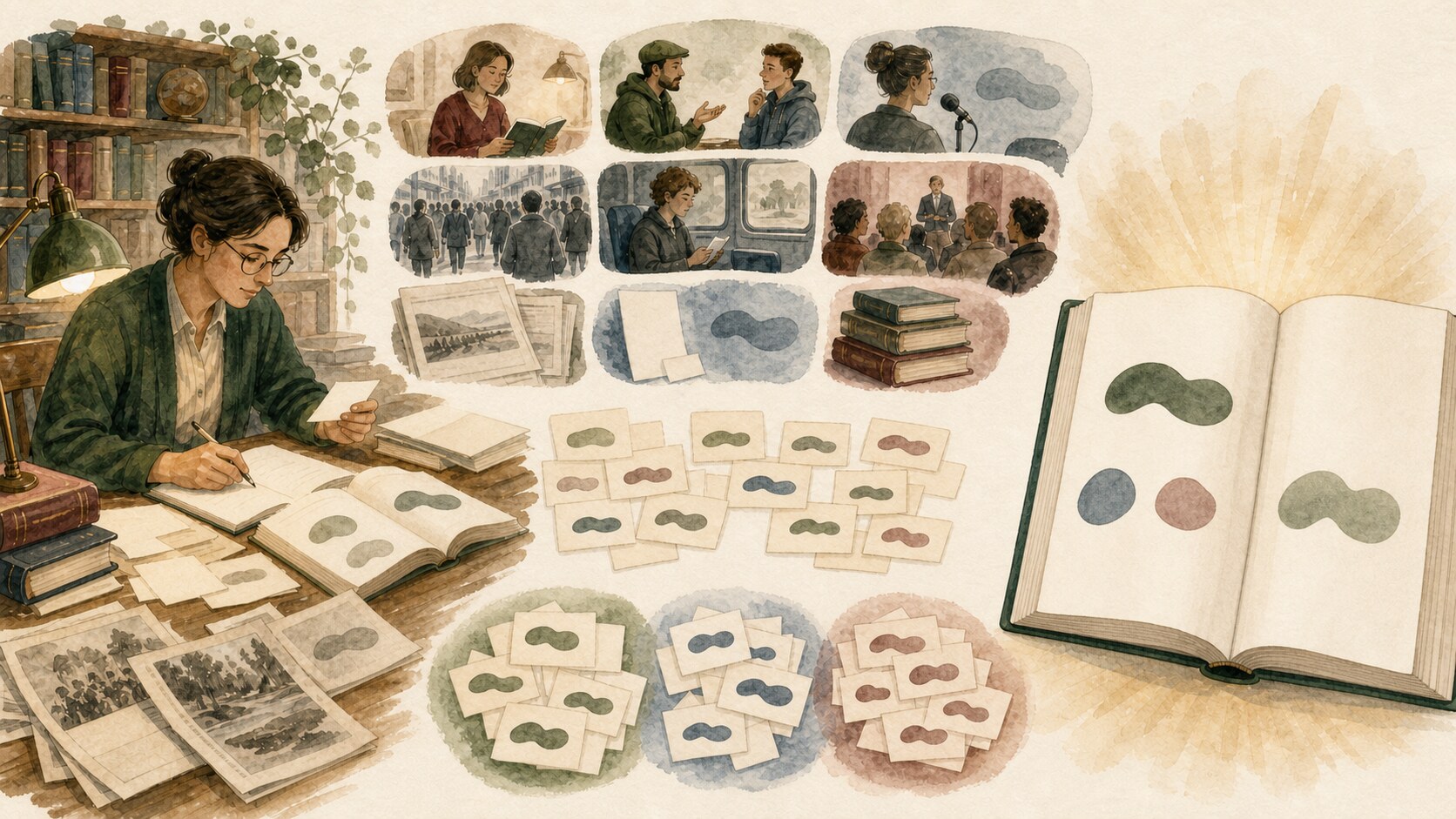
As speakers repeatedly use familiar words for new experiences, meanings can broaden, narrow, or shift through metaphor, association, and social change. Dictionaries record these changes after they become established.

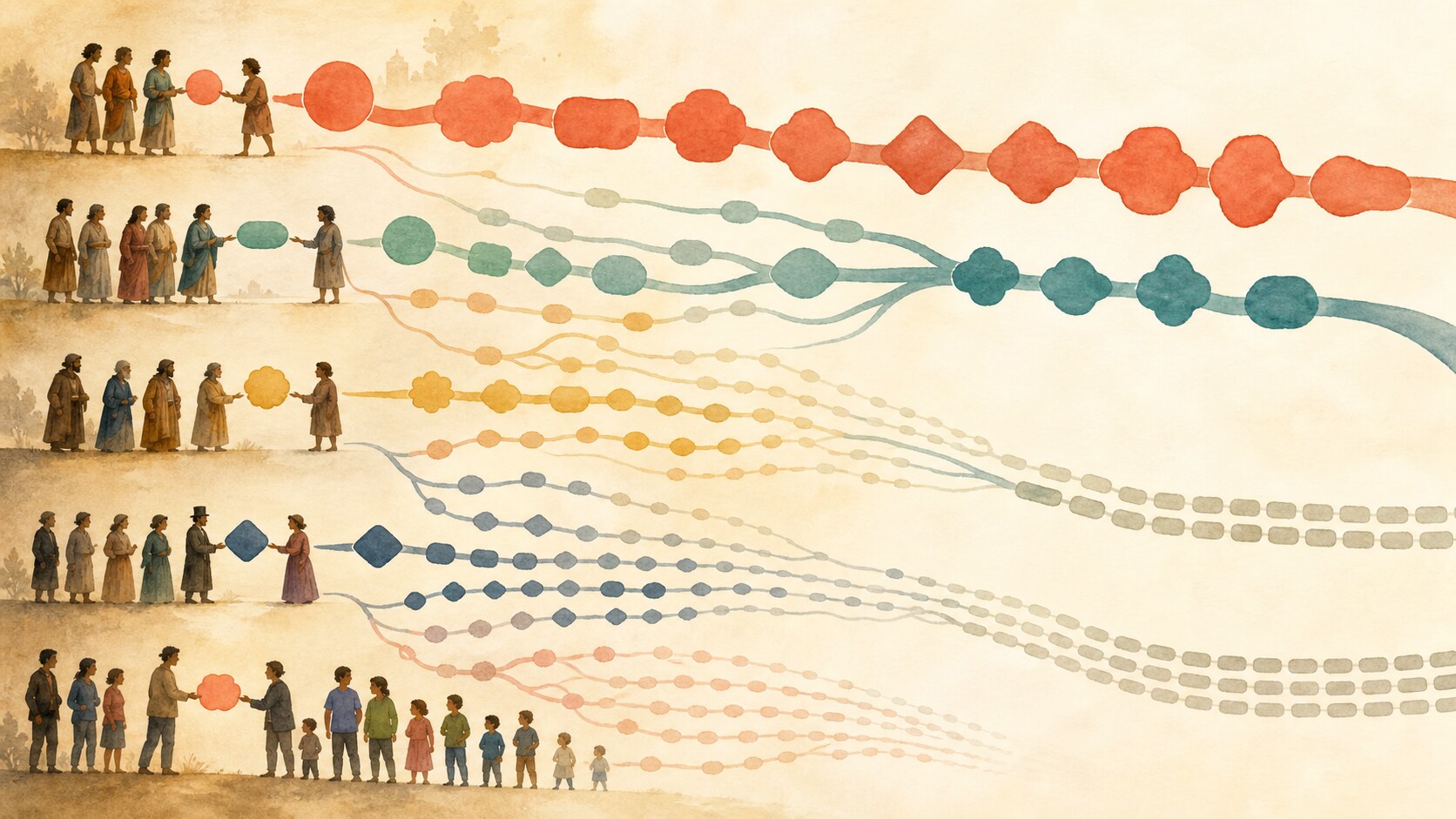
When people connect through trade, migration, culture or technology, names for new ideas can travel too. Adopted words usually adapt to the receiving language’s sounds and grammar.

Sign languages are natural languages that grew within particular Deaf communities. Different community and educational histories produced distinct vocabularies, grammars and ways of expression.

Lexicographers do not grant words permission. They collect evidence of frequent, widespread and meaningful use across sources before defining and including a term.
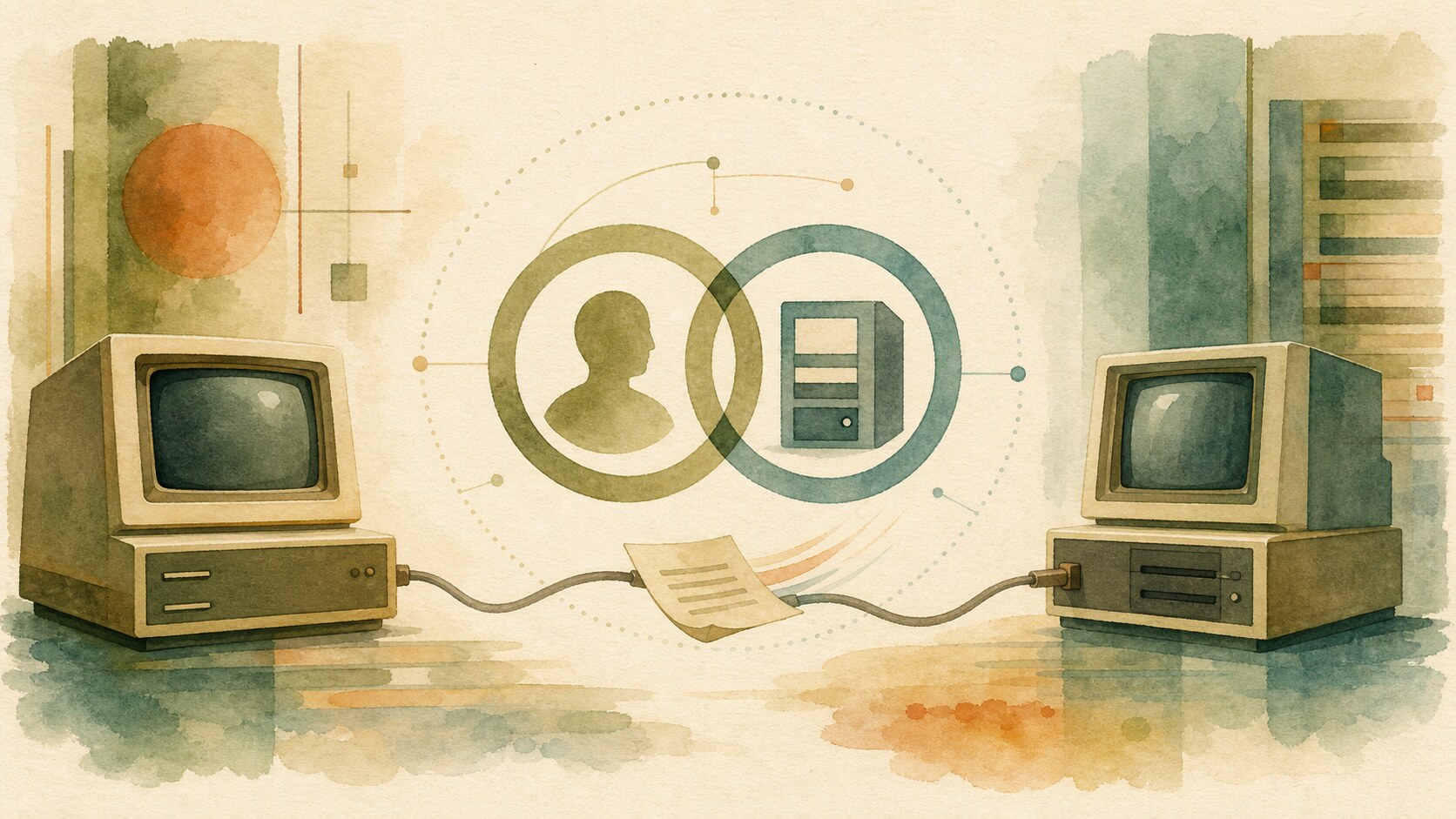
In 1971 Ray Tomlinson chose an existing keyboard symbol to separate a user from a host. It naturally meant a user 'at' a computer and rarely conflicted with other names.
Many irregular forms preserve older conjugation systems. Frequently used words are heard and remembered often enough to resist replacement by a newer regular rule.
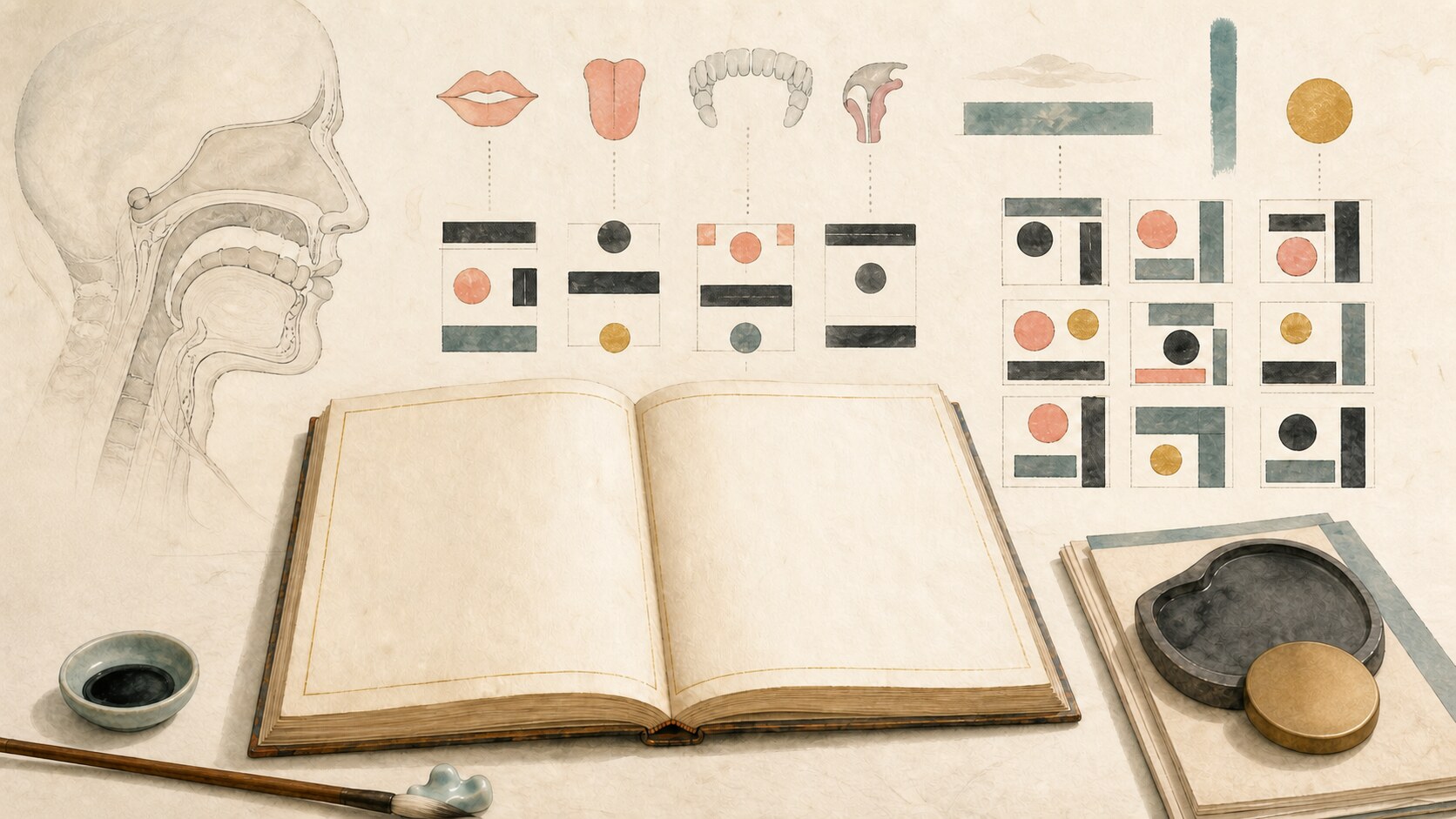
Basic consonants model speech organs, while vowels combine elements for heaven, earth and humanity. Added strokes and syllable blocks make sound relationships systematic.
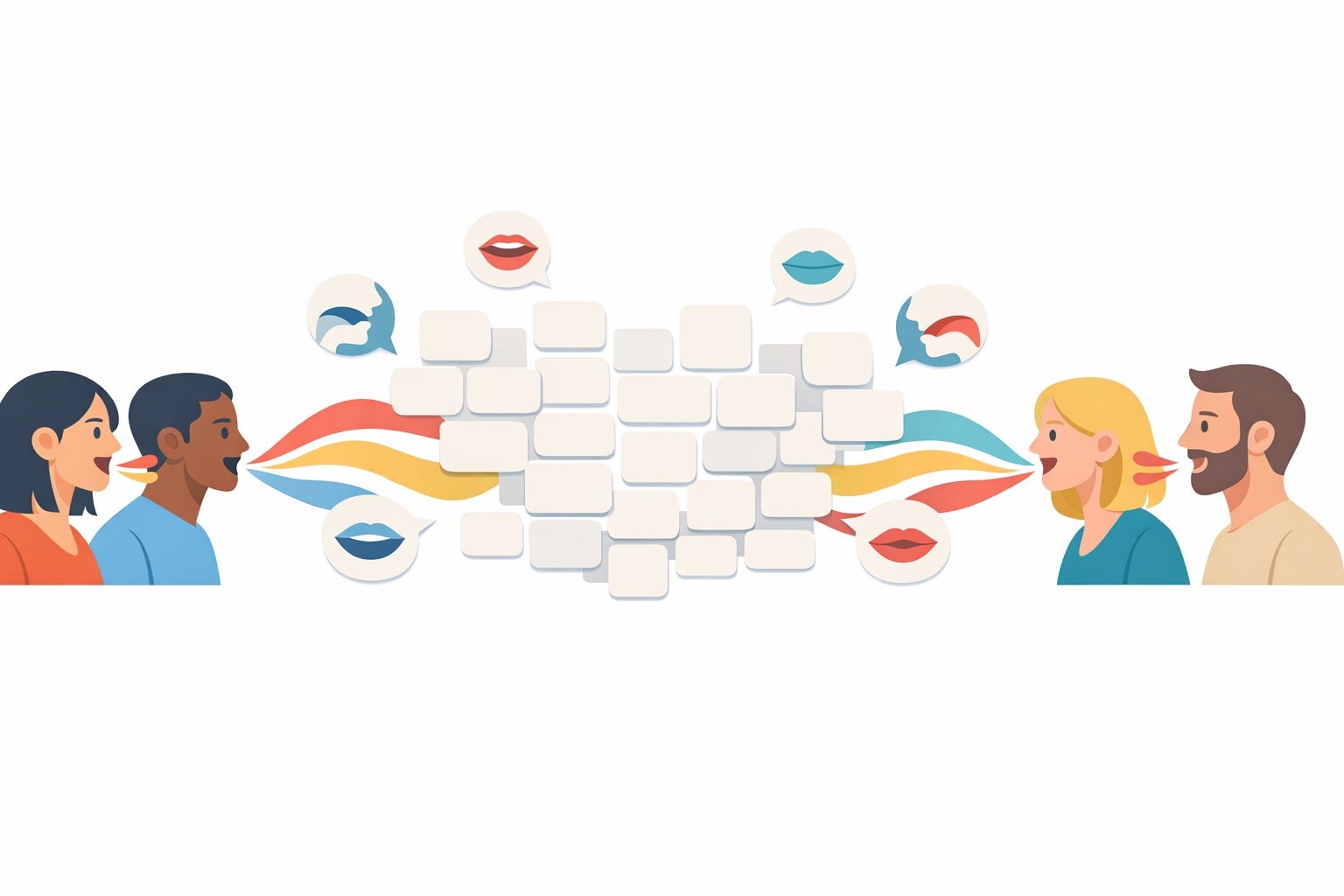
The IPA records actual speech sounds consistently instead of relying on the irregular spelling systems of individual languages.
Endangered languages carry local knowledge, memory, relationships, and ways of seeing the world—not merely vocabulary.