Why Does Swiss Cheese Have Holes?
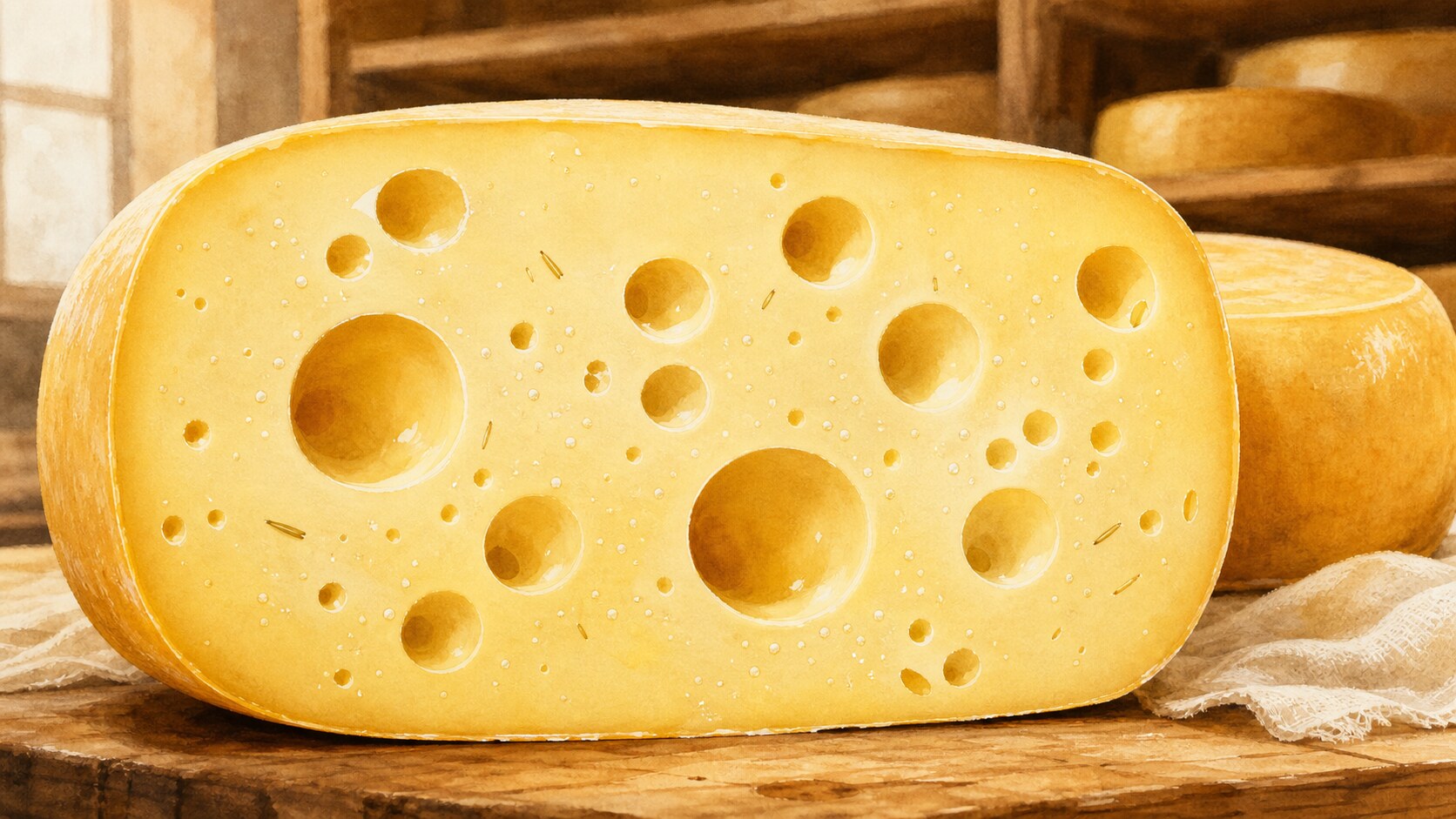
Carbon dioxide made by propionic acid bacteria gathers inside ripening cheese and expands its eyes. Tiny air cavities in trace plant particles such as hay provide nuclei where bubbles can begin.
FOOD

Carbon dioxide made by propionic acid bacteria gathers inside ripening cheese and expands its eyes. Tiny air cavities in trace plant particles such as hay provide nuclei where bubbles can begin.
July 22, 2026 · 3min read
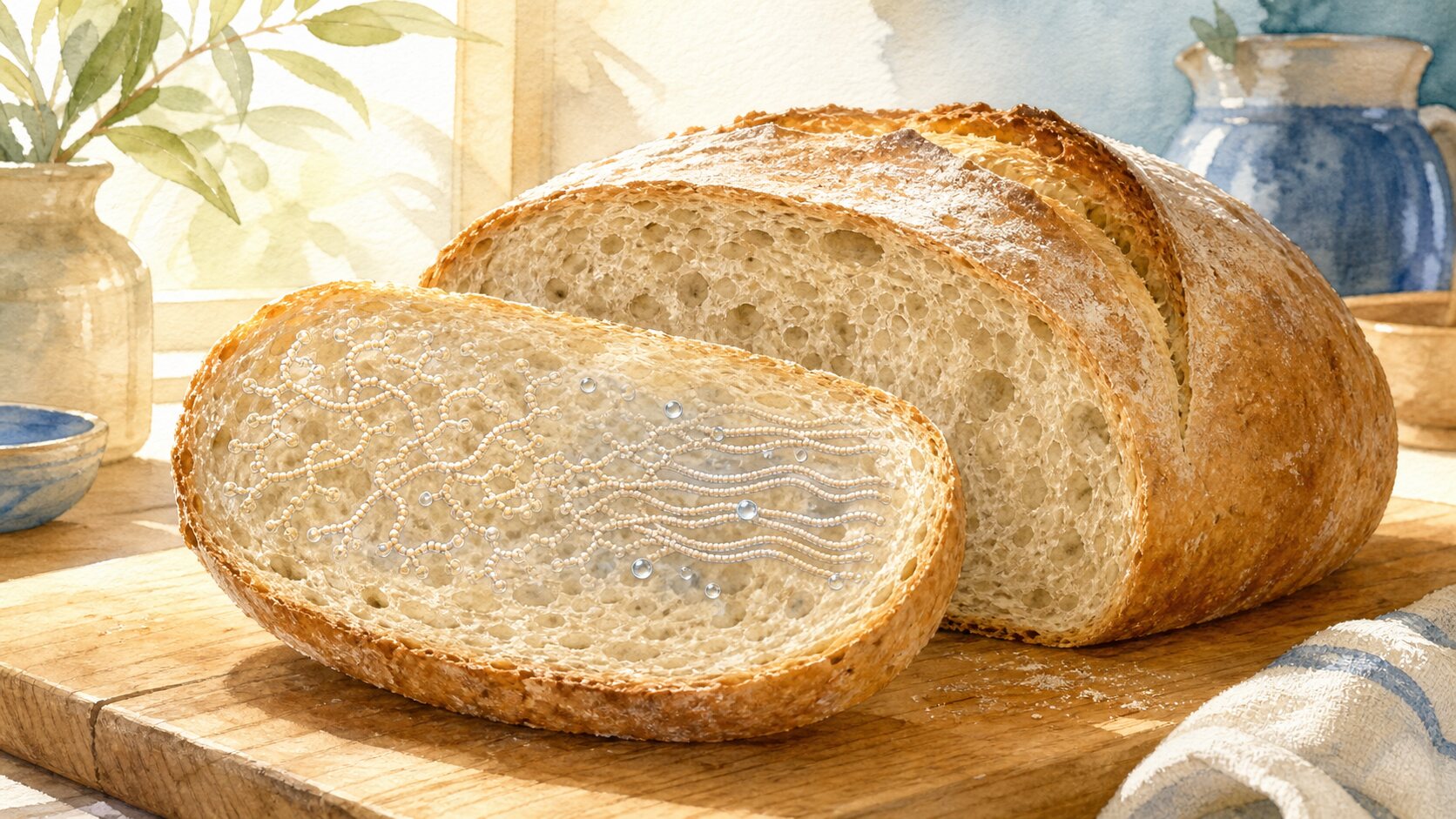
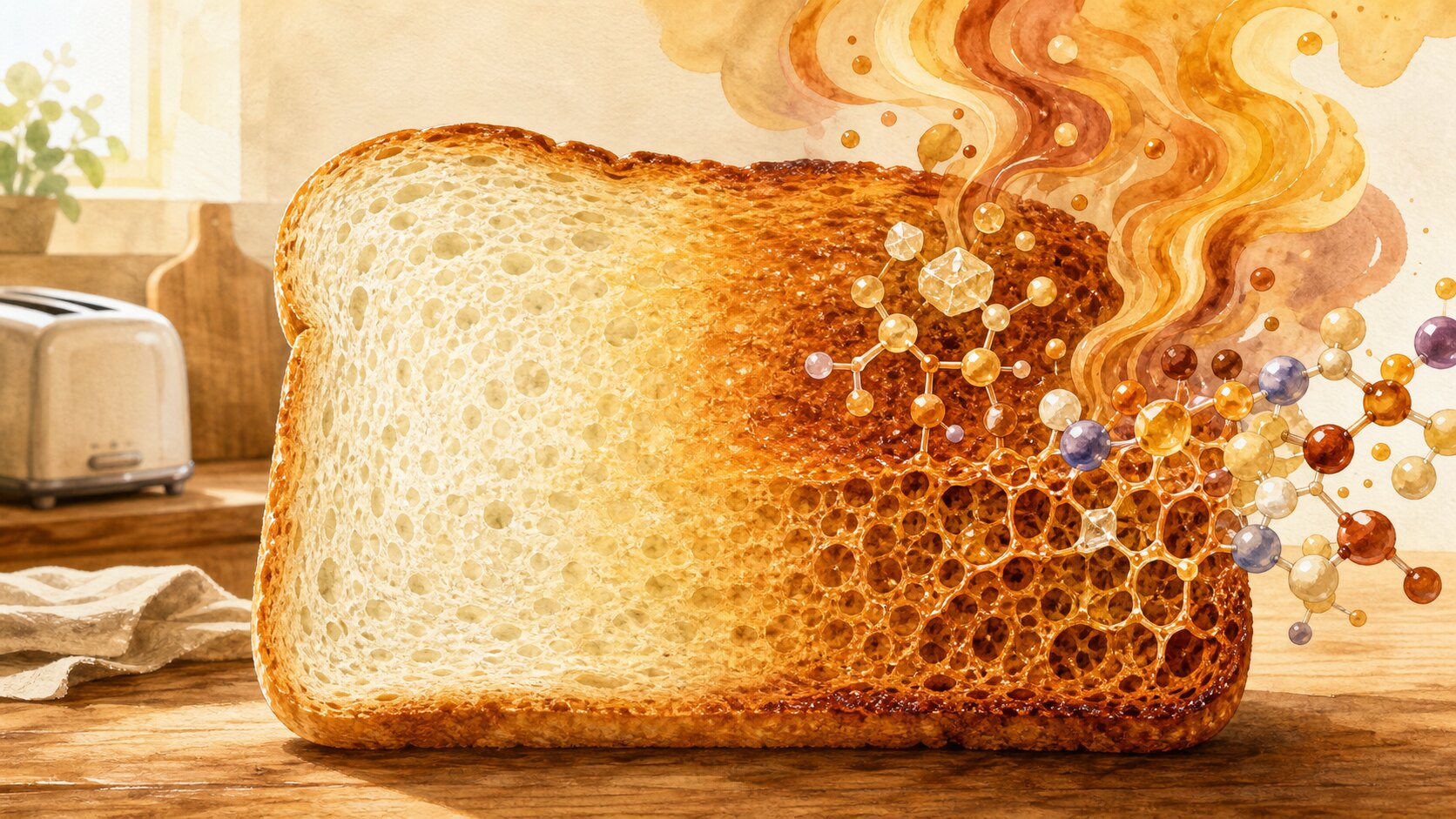
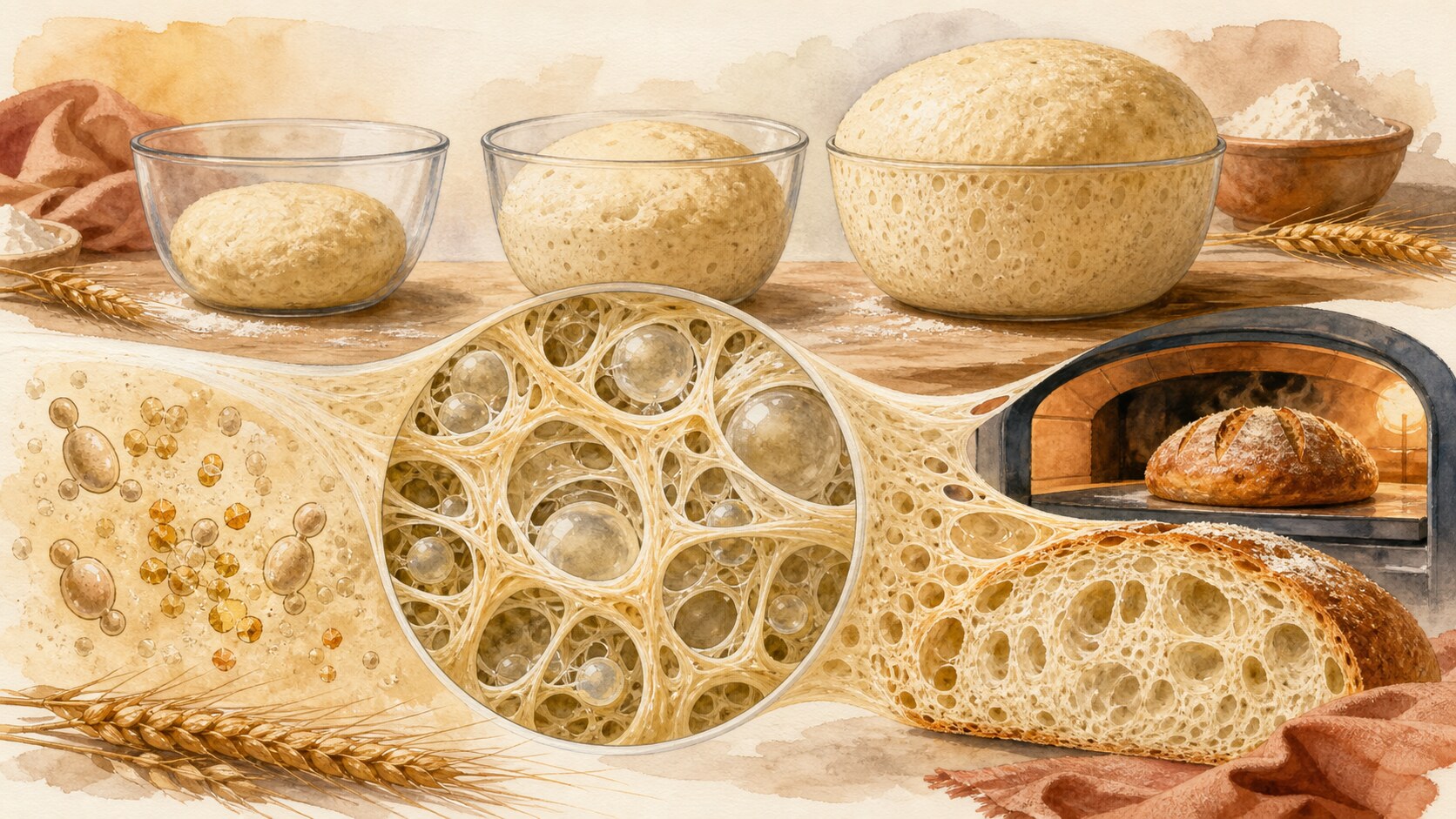
A gluten network traps carbon dioxide made by yeast fermentation. Gas and steam expand in the oven before proteins and starch set the airy structure.
July 22, 2026 · 3min read

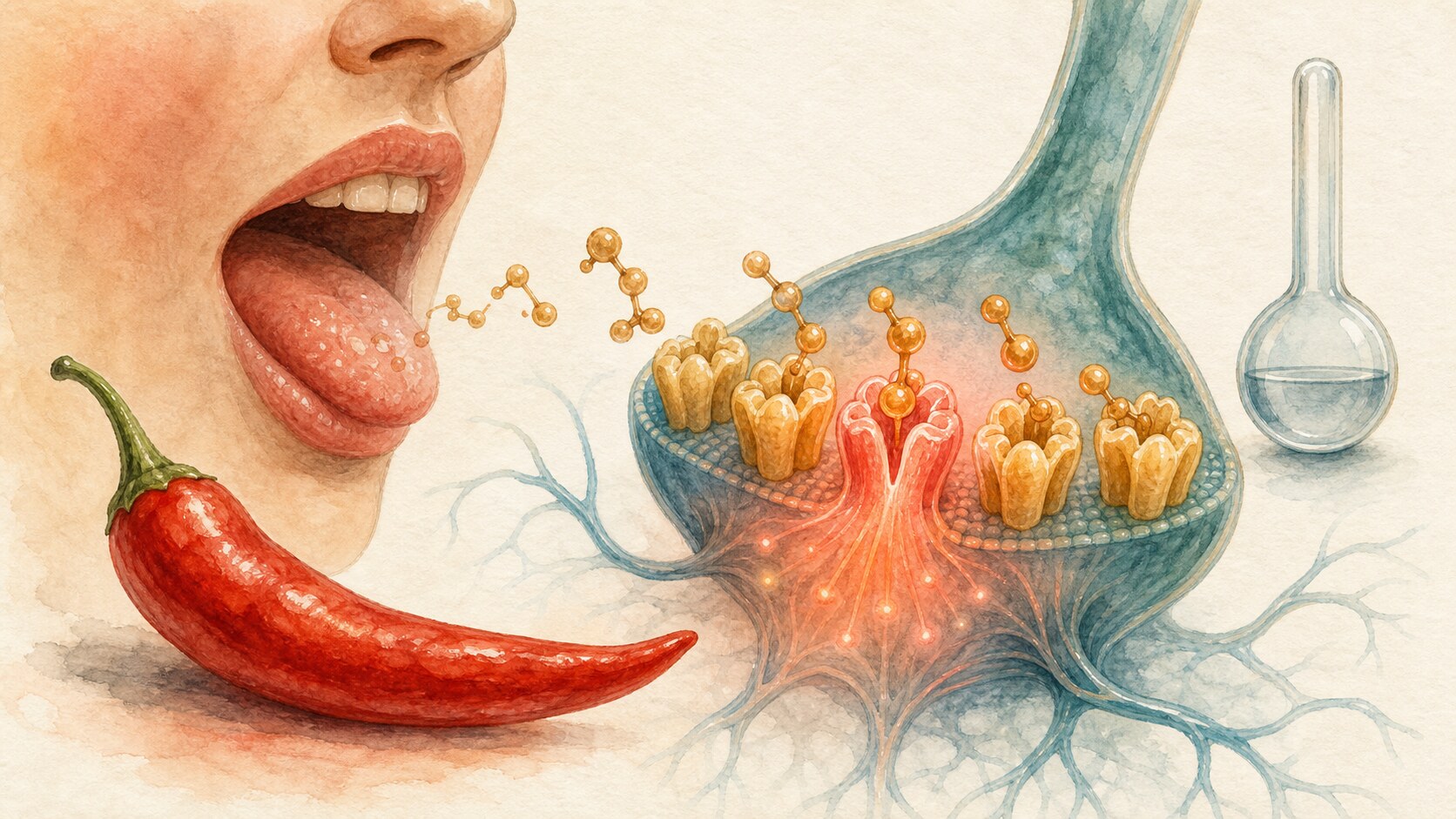
Capsaicin opens the same TRPV1 sensory channels activated by damaging heat. The brain receives a heat-and-pain signal even without a large temperature rise.
July 22, 2026 · 3min read

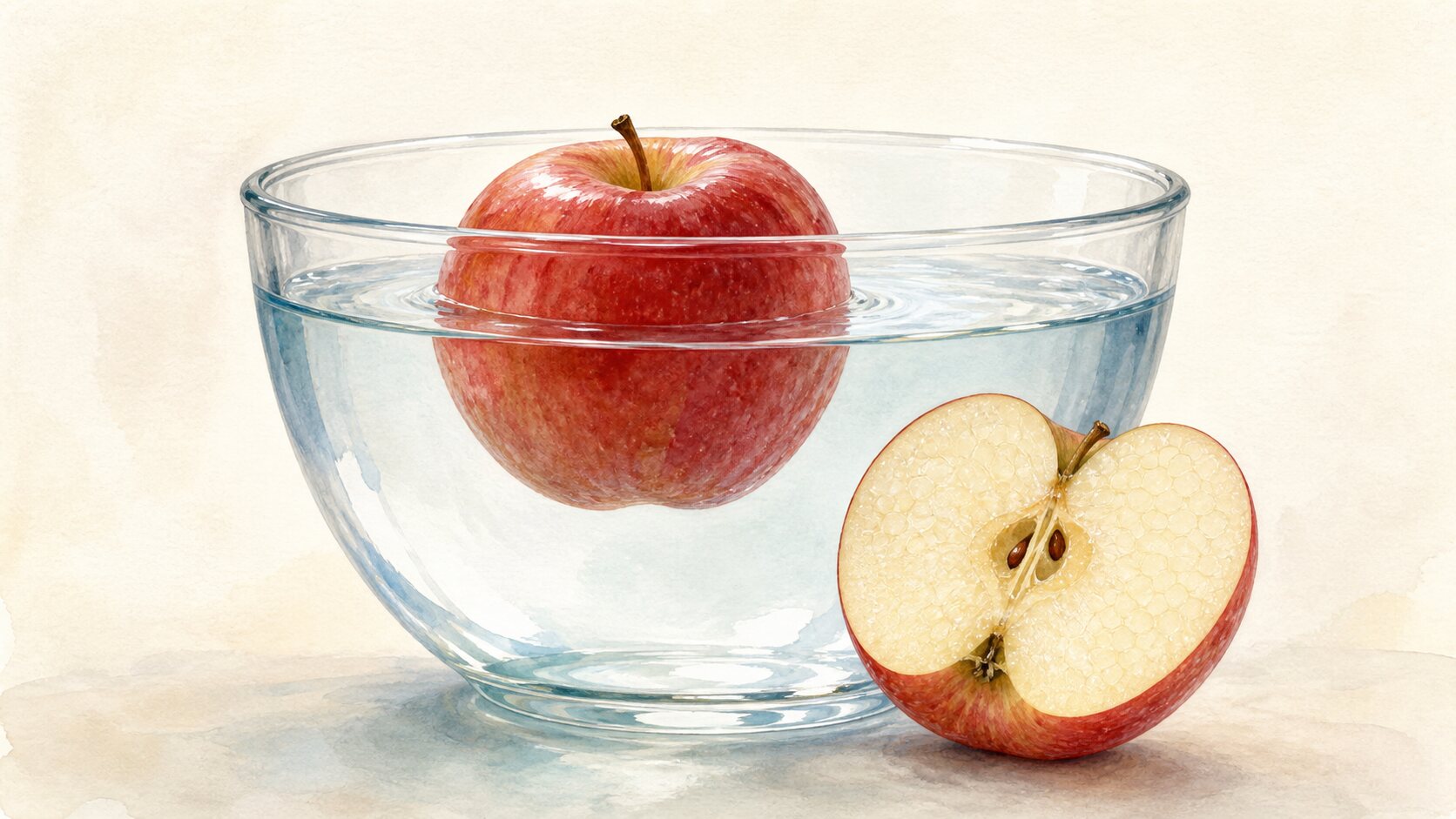
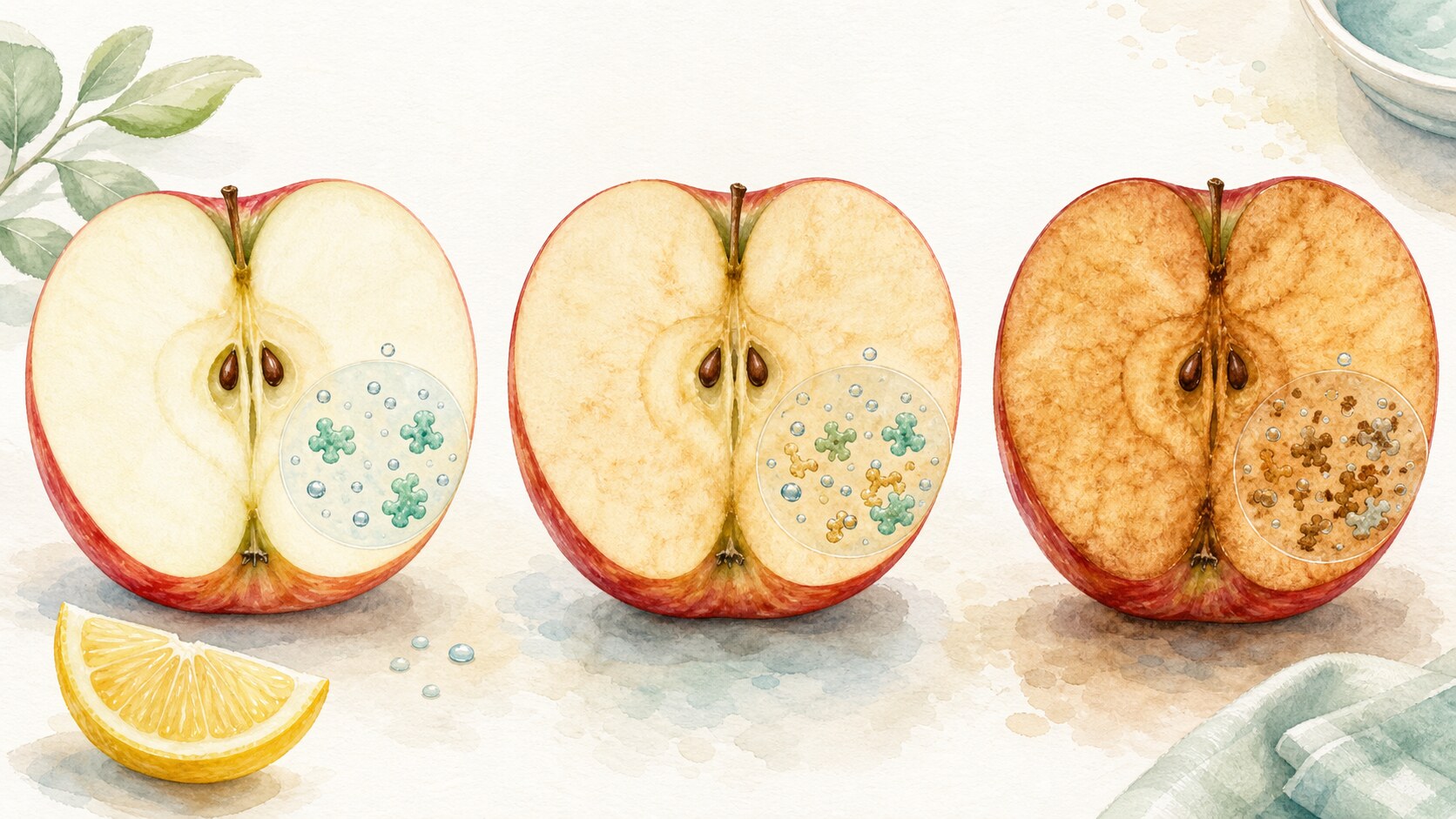
Broken cells let polyphenol oxidase and phenolic compounds meet oxygen. The resulting oxidation chain creates brown-colored products on the cut surface.
July 22, 2026 · 3min read

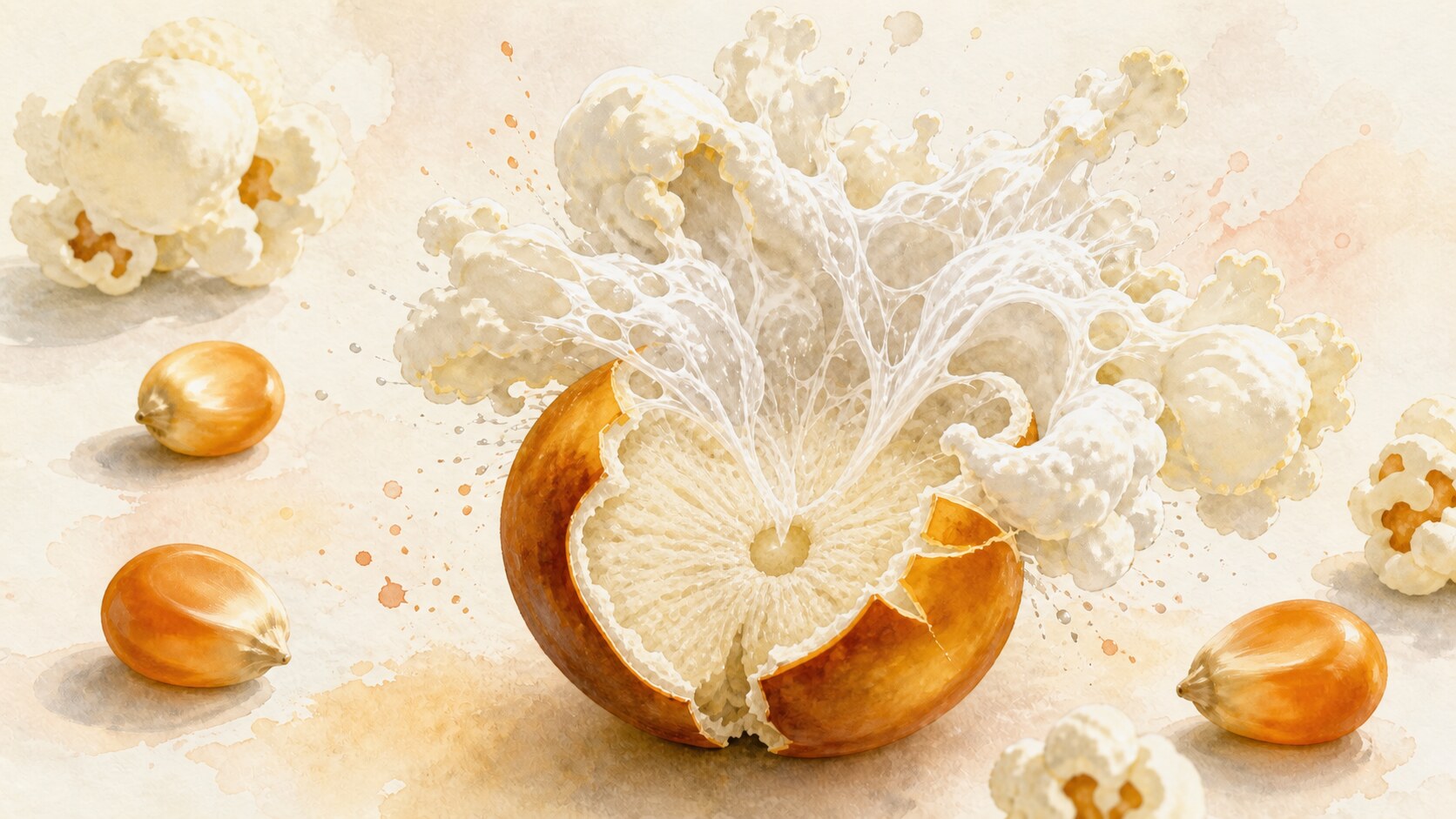
A popcorn kernel's tough hull traps steam and lets pressure build. When the hull fails, softened starch expands rapidly and sets into a crisp foam.
July 22, 2026 · 3min read

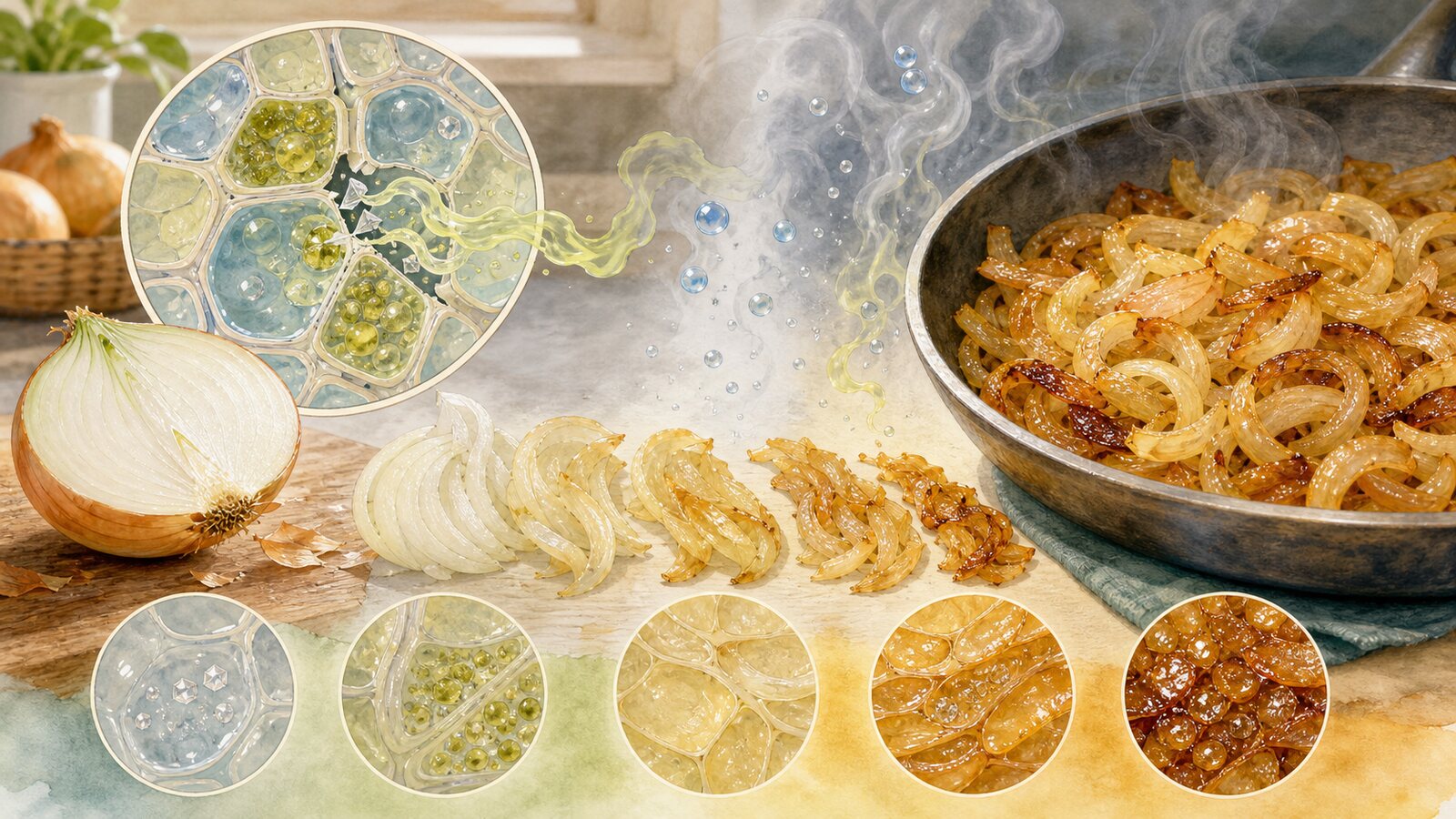
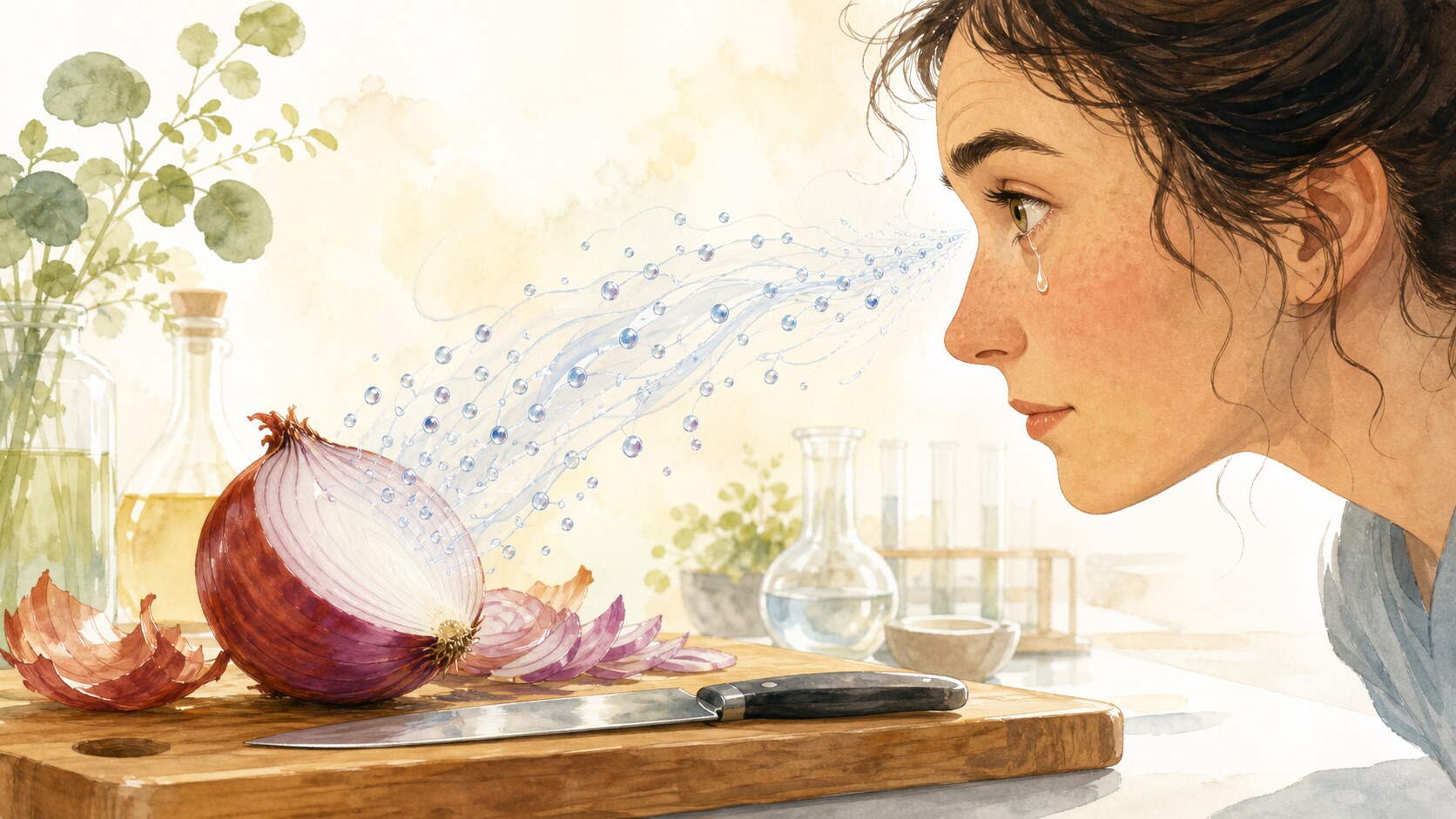
Cutting onion cells triggers enzyme reactions that release a volatile irritant. Your eyes produce tears to dilute and wash it away.
July 22, 2026 · 3min read

In Mesoamerica, cacao beans served as valuable drink ingredients, trade goods, and units for taxes and exchange.
July 13, 2026 · 2min read

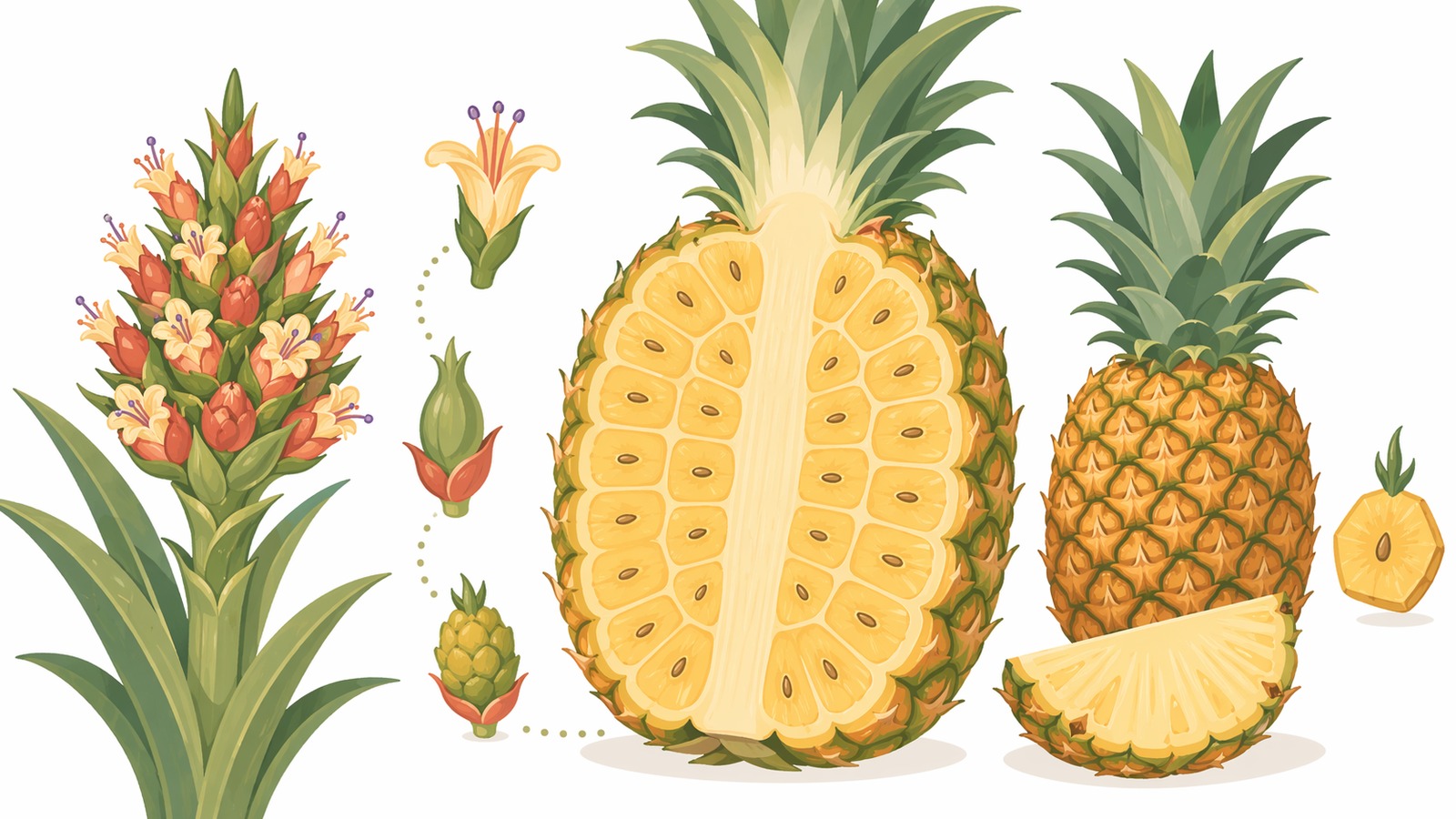
A pineapple forms when fruits from many flowers merge with the central stalk into one multiple fruit.
July 9, 2026 · 2min read