Animals
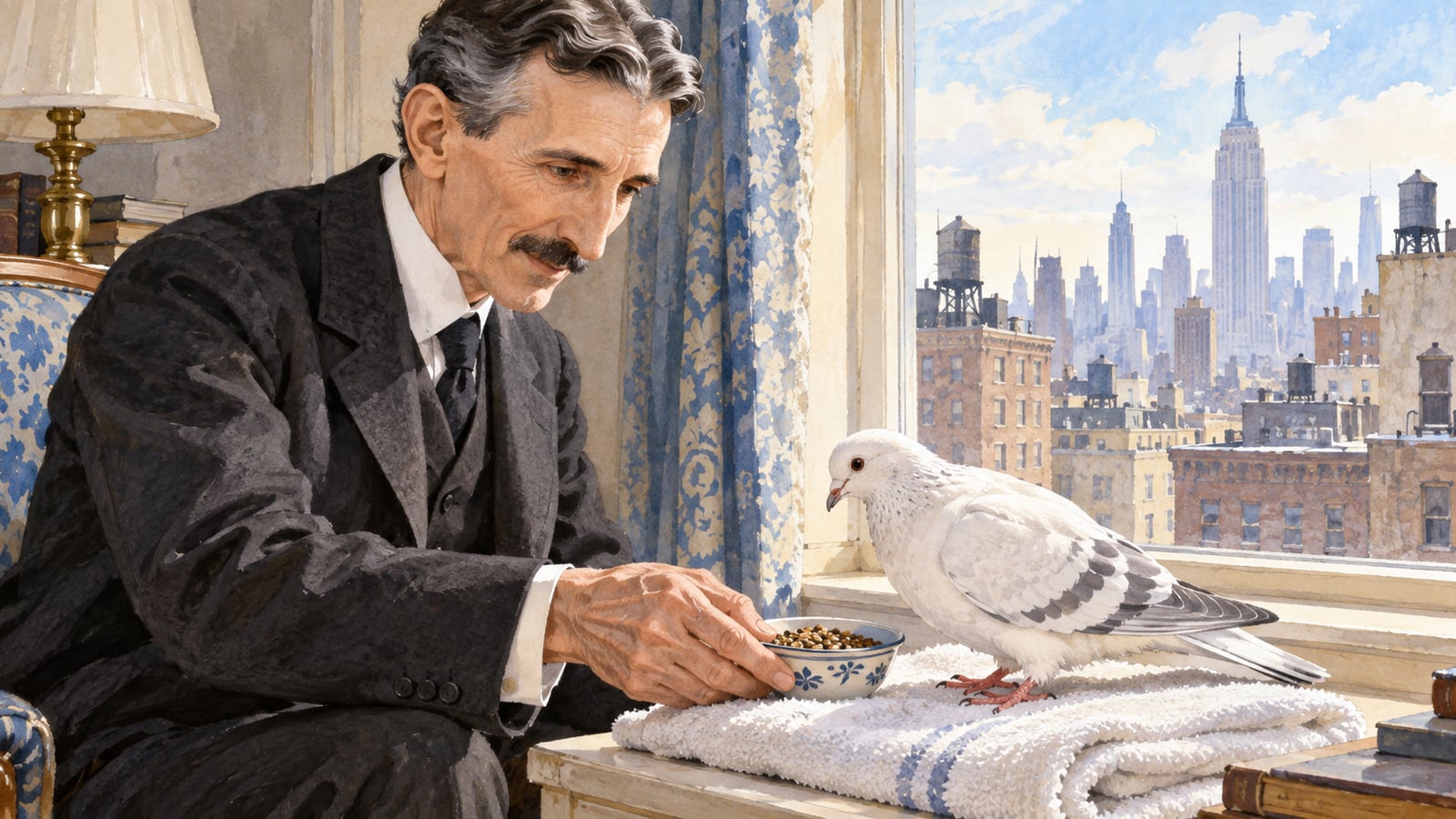
Nikola Tesla Hired a Messenger to Feed His Pigeons
Tesla nursed pigeons in hotel rooms and paid a messenger to feed city flocks. The famous white-pigeon story sat within a lasting routine of care.
FACTOSBRAIN KNOWLEDGE DESK
We turn passing curiosities into concise stories with enough context to make them stick.
Tesla nursed pigeons in hotel rooms and paid a messenger to feed city flocks. The famous white-pigeon story sat within a lasting routine of care.
LATEST
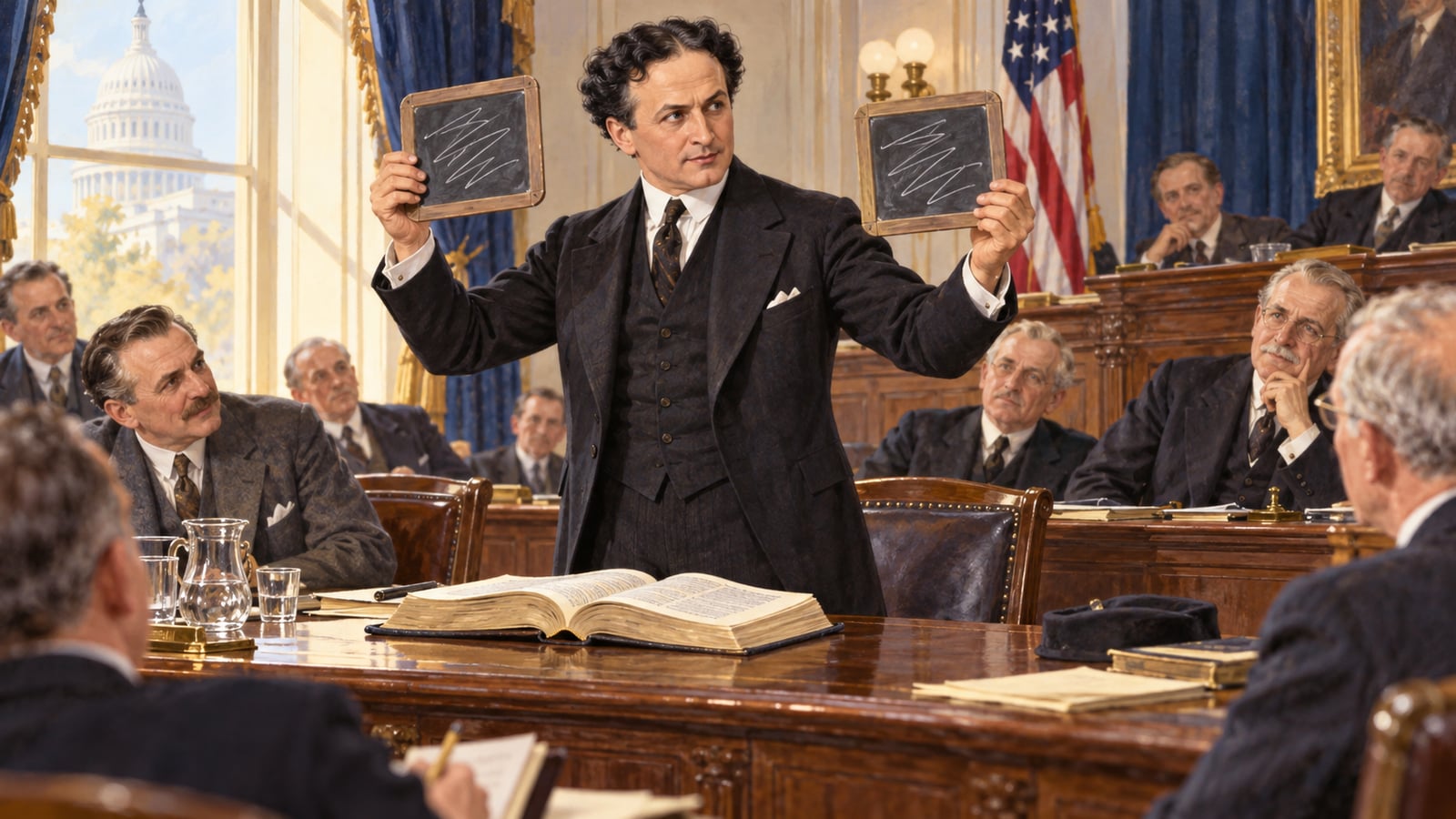
Houdini brought slates and a dictionary to Congress to demonstrate deception. Even calling it a trick did not make everyone agree about what they saw.
Waikiki's waves initially separated Agatha Christie from her board. Her 1922 travels also brought the satisfaction of finally riding one standing up.

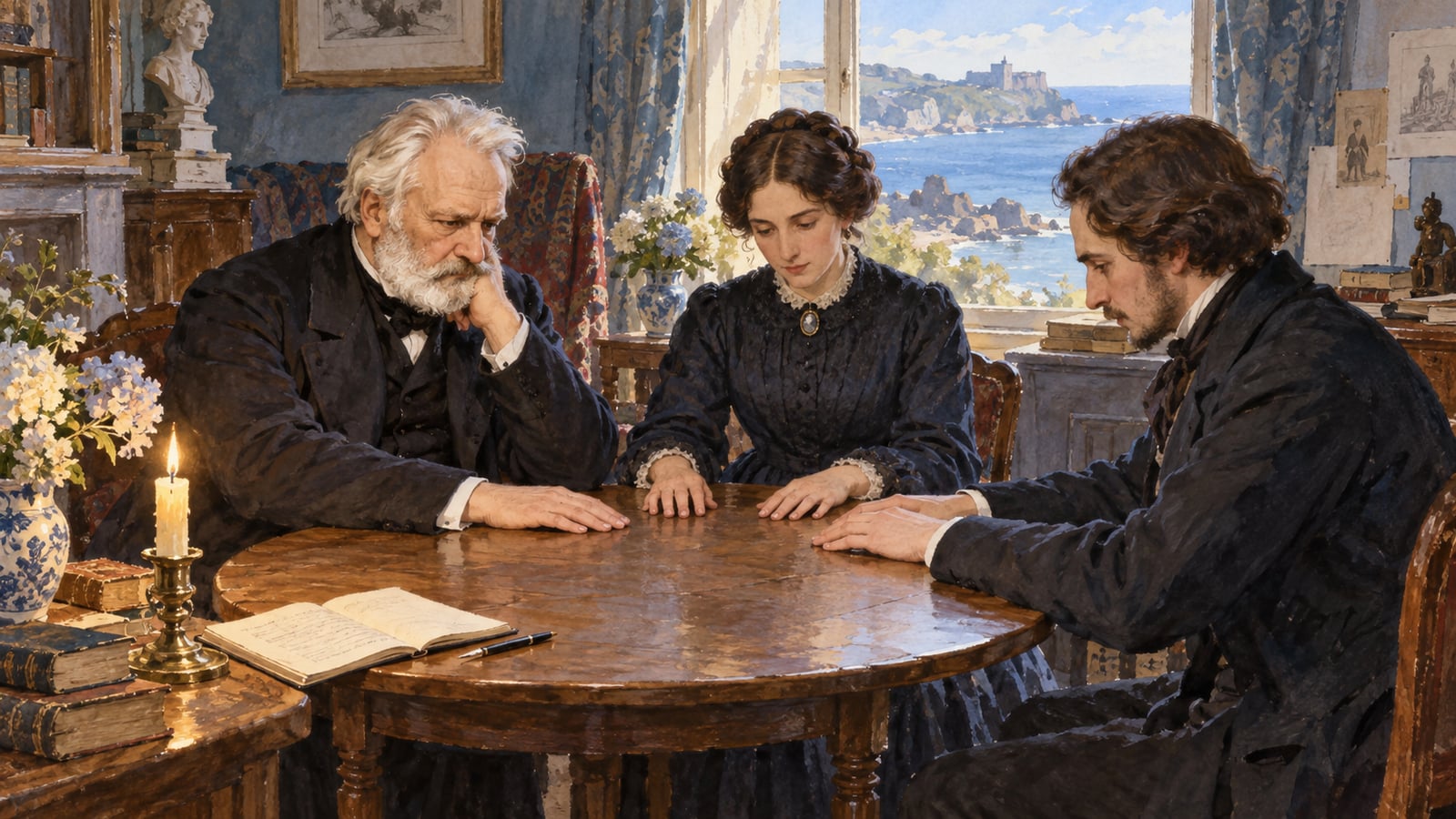
Hugo's Jersey household recorded table knocks as messages from the dead. Among famous literary names lay a father's questions for his lost daughter.
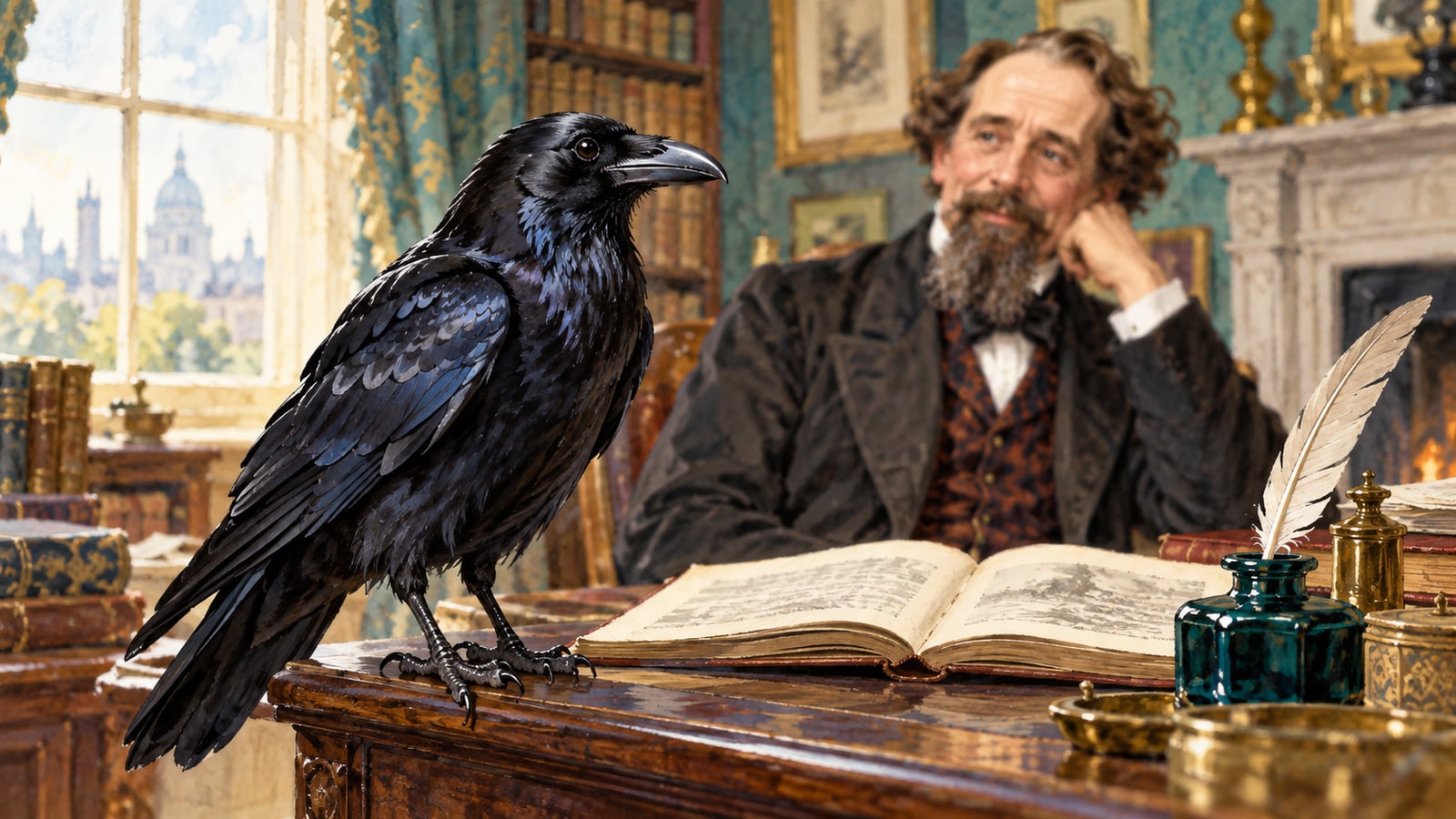
Dickens's ravens stole food and borrowed household noises. Their antics helped create a fictional character; one also survived as a library specimen.
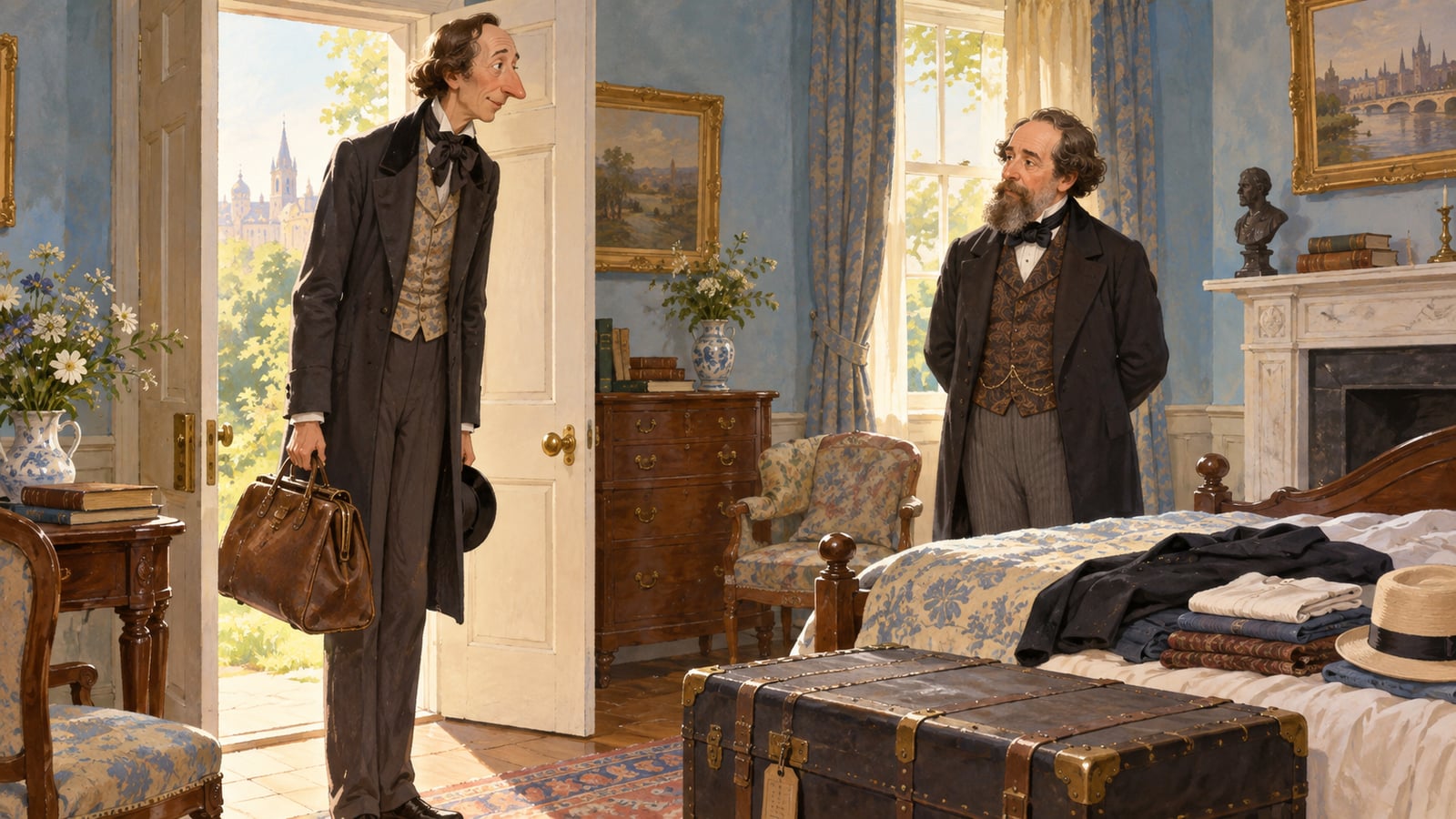
Andersen enjoyed visiting a writer he admired. Dickens's household found the five-week stay more trying. Their letters and diaries tell different stories.
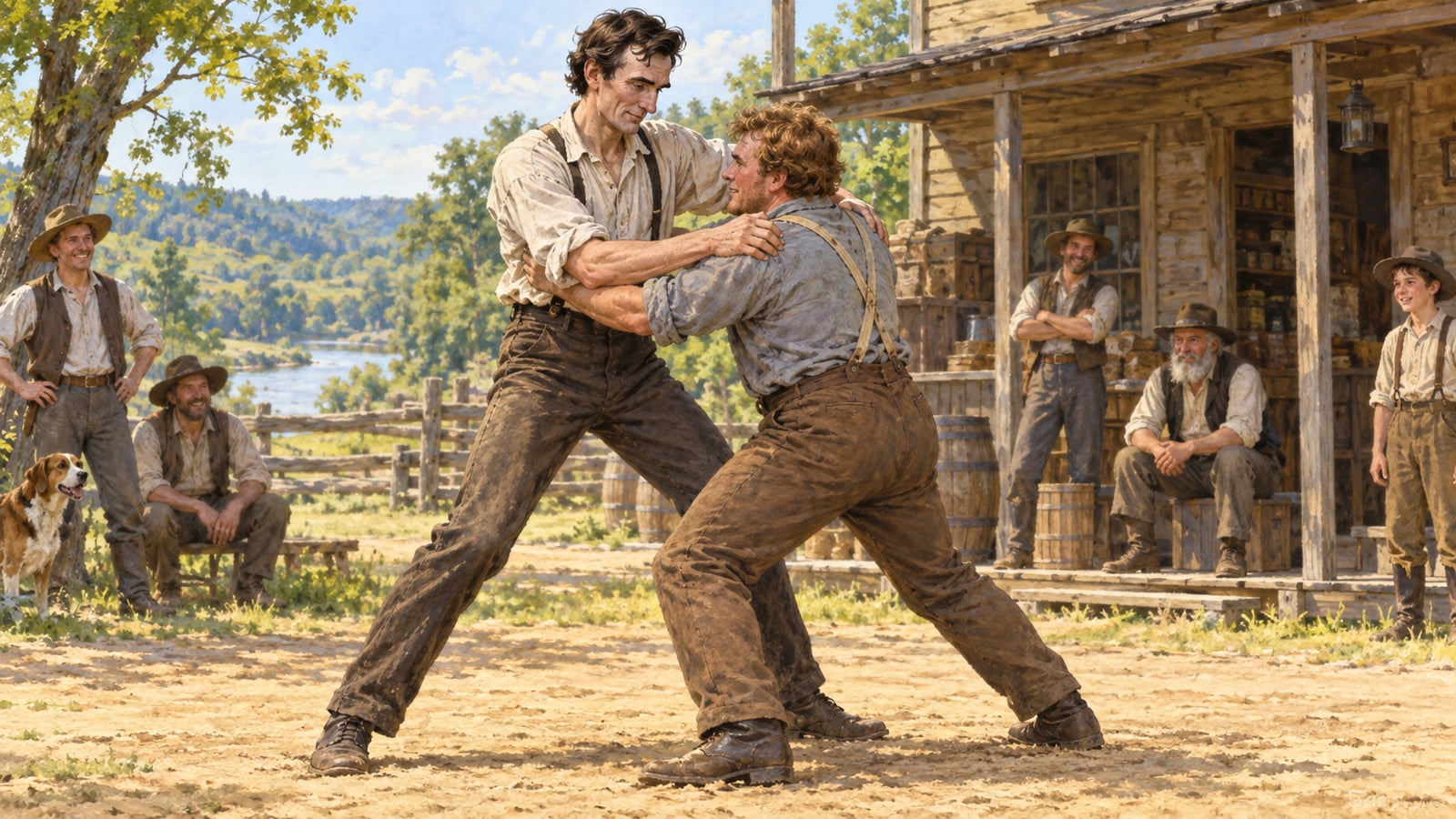
A shopkeeper's boasts helped put young Lincoln in a wrestling match with Jack Armstrong. The bout's disputed finish gave way to a lasting friendship.
SECTIONS
SCIENCE

Young Franklin tried wooden hand paddles and a kite-assisted swim. His later account remembered both the practical drawbacks and the pleasure of experimenting.
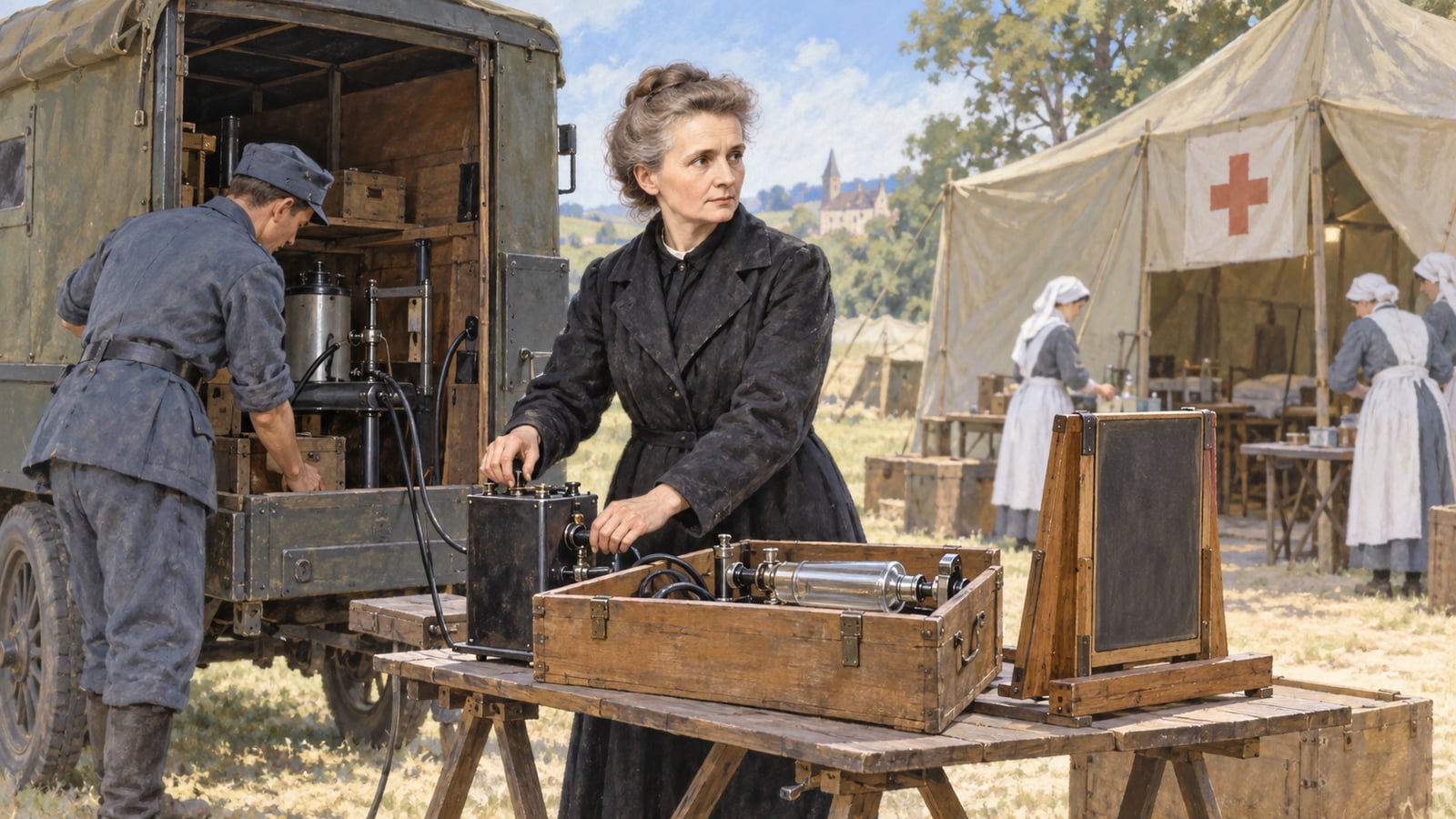
Taking X-rays to wartime hospitals required much more than a car. Marie Curie's mobile teams had to supply power, assemble equipment and train operators.

Two named Nobel medals became dangerous evidence when Germany occupied Denmark. George de Hevesy hid them by dissolving their recognizable form.
HISTORY
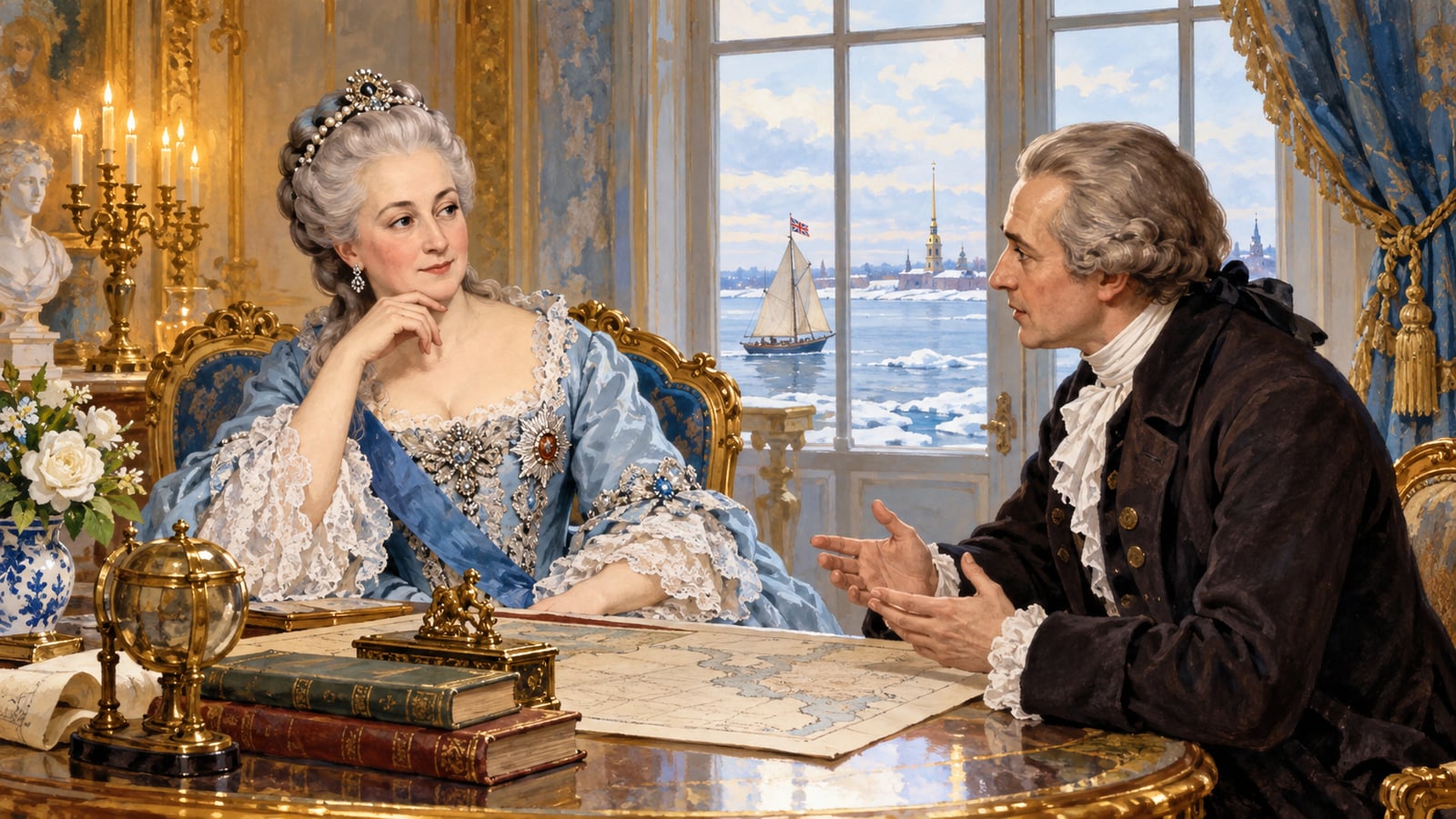
Inoculating Catherine the Great placed an English doctor in a precarious position. The imperial arrangements included a way out if the undertaking failed.
Houdini brought slates and a dictionary to Congress to demonstrate deception. Even calling it a trick did not make everyone agree about what they saw.
Waikiki's waves initially separated Agatha Christie from her board. Her 1922 travels also brought the satisfaction of finally riding one standing up.
SPACE
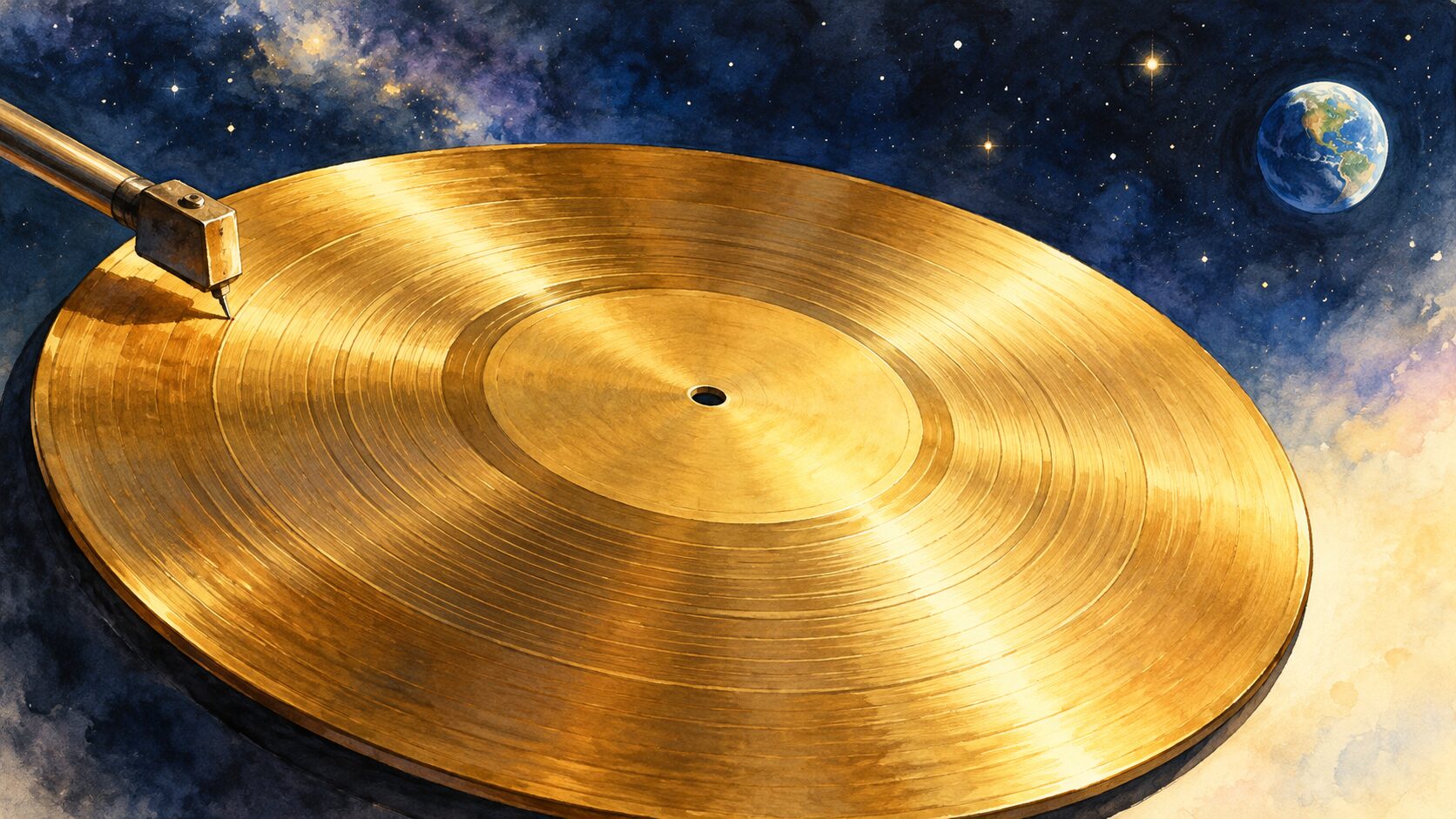
Voyager's pictures are encoded as analog signals. Instructions on the cover explain how to reconstruct 512 vertical lines, check the image proportions with a circle, and establish playback timing.
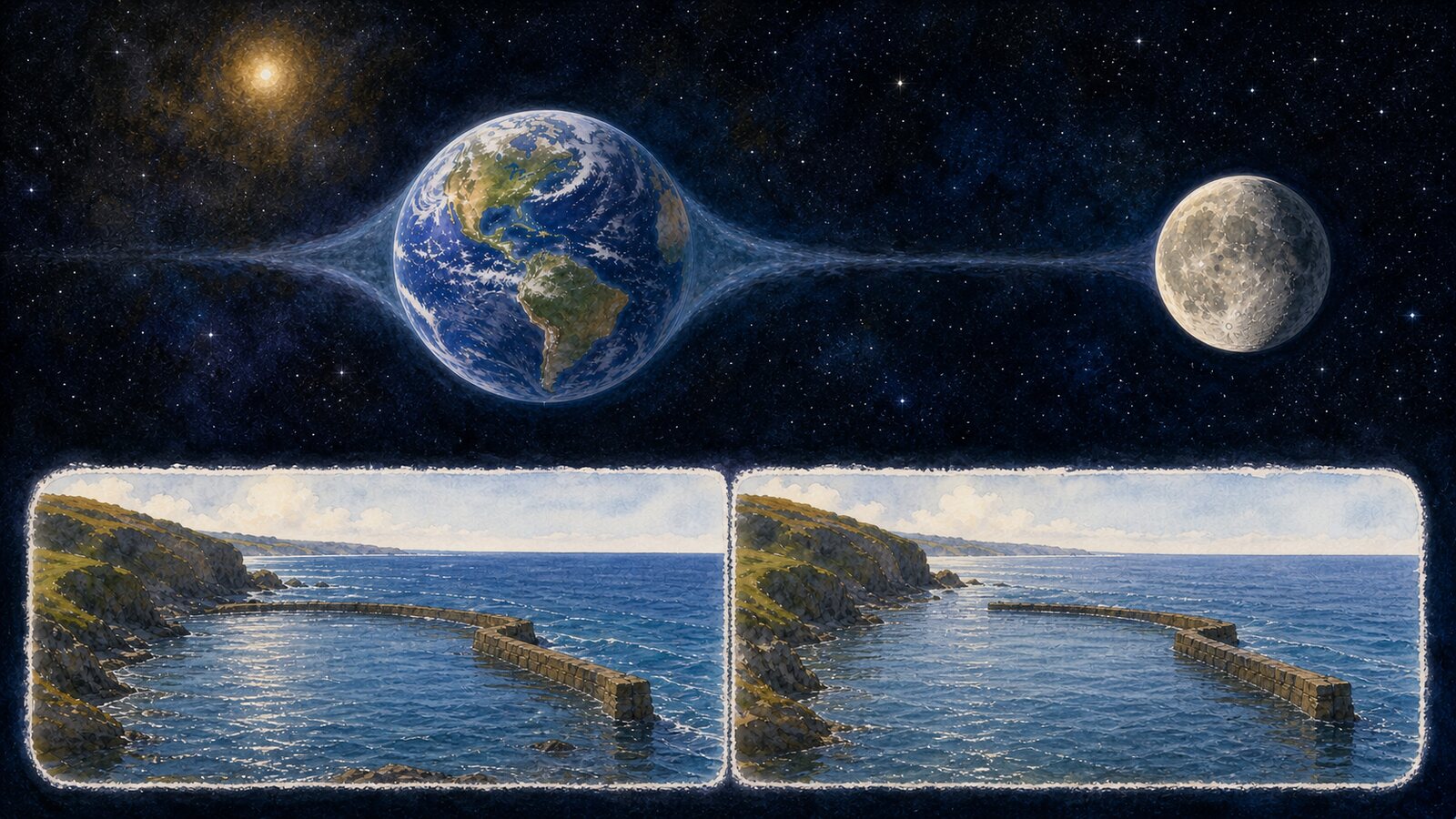
Differential lunar gravity produces tidal components on the near and far sides of Earth, and rotation carries coasts through both. Continents, seafloor shape, and basin resonance then reshape the local timing and height.

A satellite continually falls under gravity, but its sideways speed makes Earth's curved surface fall away beneath it. Orbit is a sustained free fall that keeps missing the planet.
ANIMALS
Tesla nursed pigeons in hotel rooms and paid a messenger to feed city flocks. The famous white-pigeon story sat within a lasting routine of care.
Dickens's ravens stole food and borrowed household noises. Their antics helped create a fictional character; one also survived as a library specimen.
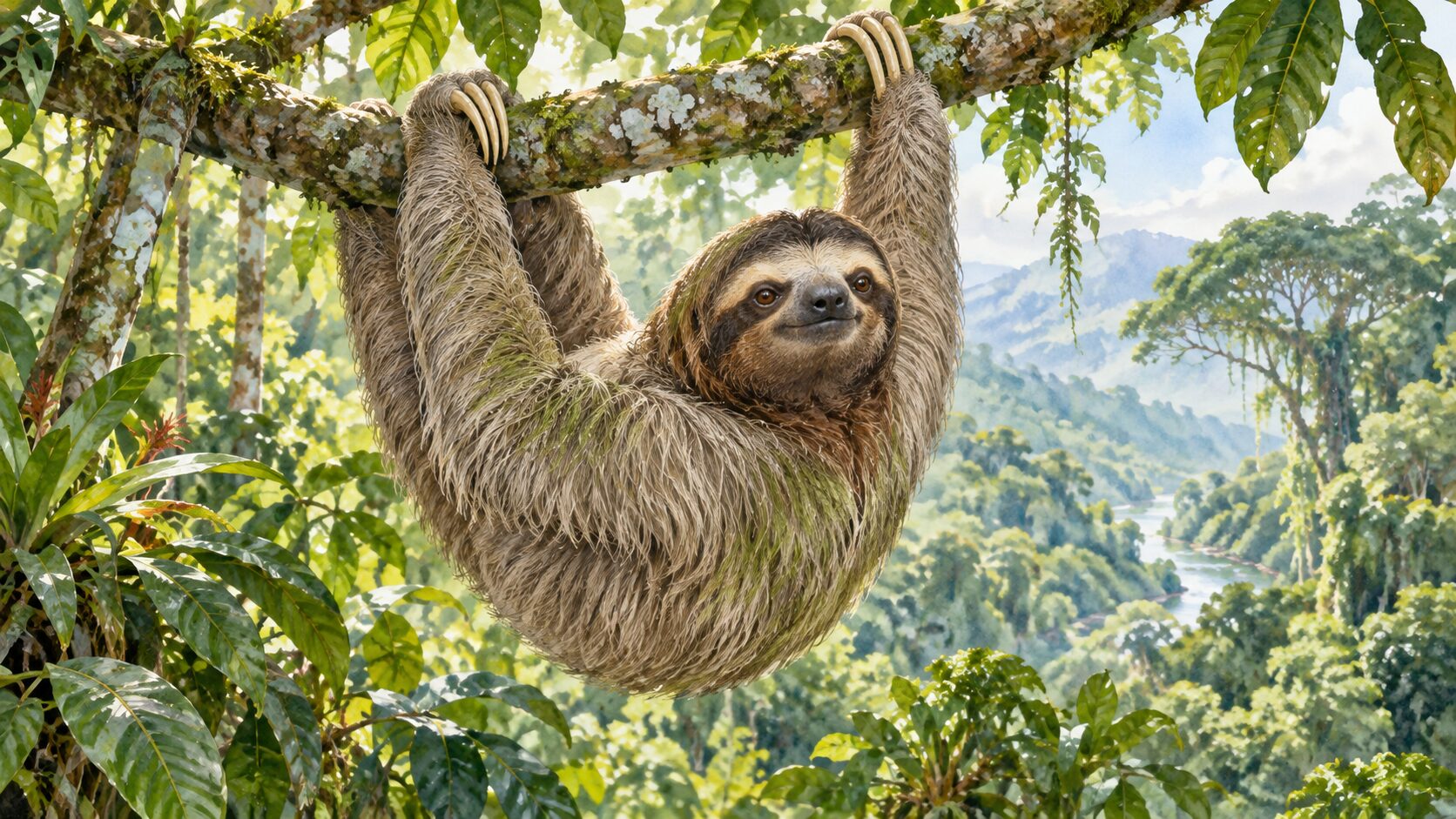
Green algae living on sloth hairs add a greenish tint to the coat. Their presence is established, while proposed benefits such as camouflage and nutrition require separate evidence.