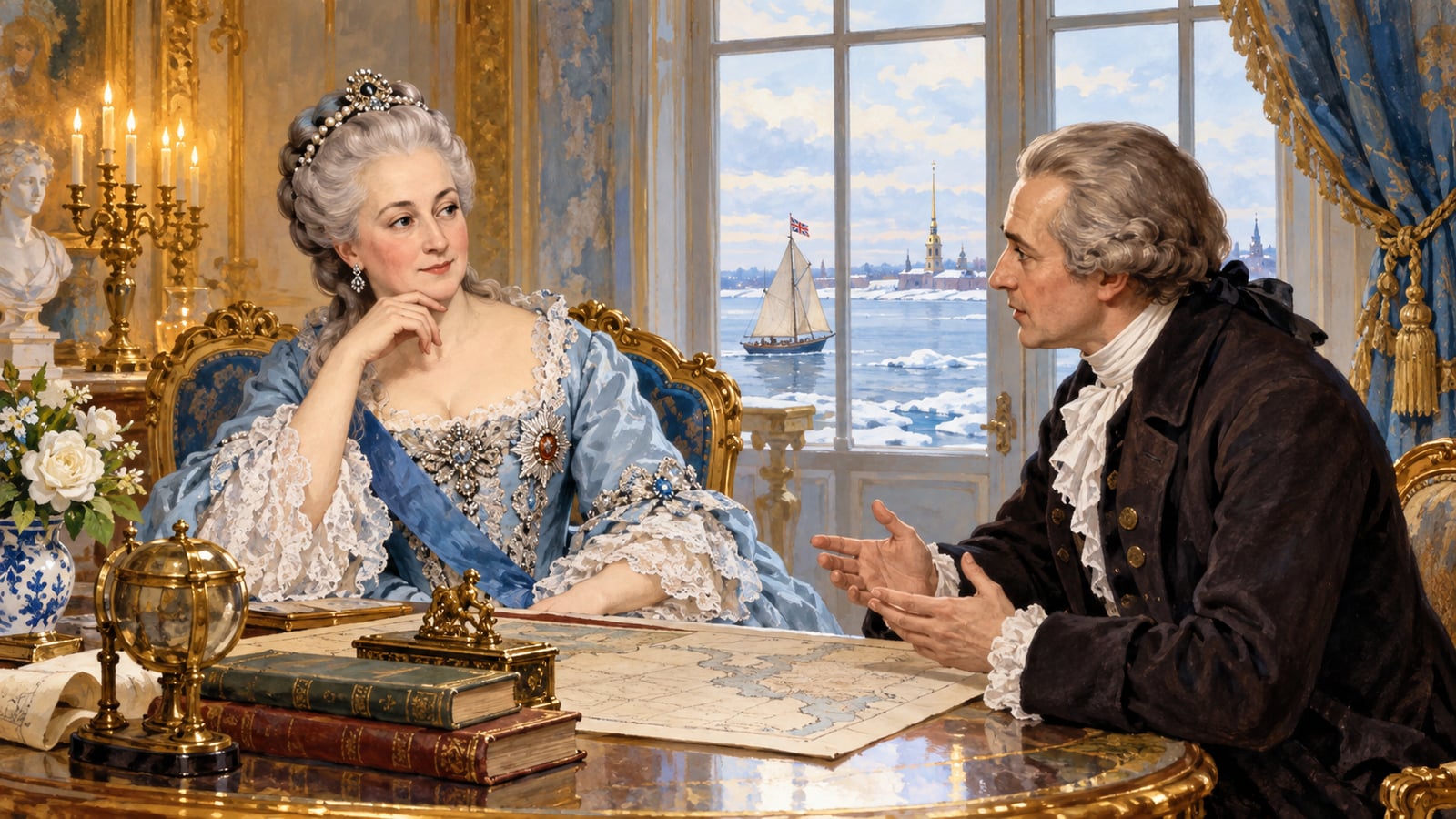
In November 1952, Albert Einstein received an extraordinary proposal at his home in Princeton. It was not a university appointment or the leadership of a research institute. He was being asked whether he would become president of Israel.
The country's first president, Chaim Weizmann, had died. Prime Minister David Ben-Gurion instructed Ambassador Abba Eban to approach Einstein. Eban's letter of November 17 asked whether the physicist would accept the presidency if elected by the Knesset. This distinction is easily lost in retellings: Einstein was being approached about a possible election, not informed that he had already been chosen by parliament.
The letter set out practical consequences. Acceptance meant moving to Israel and becoming a citizen. It also offered freedom and facilities to continue his scientific work. The proposal attempted to bring his international stature into public office without requiring him to abandon the research that had made him famous. It was more substantial than an invitation to lend his name to a ceremonial occasion.
Einstein declined. He explained that a lifetime spent on objective questions had not supplied him with the ability or experience needed to manage people and official responsibilities. His advancing age and diminishing strength were additional difficulties. In his own explanation, though, age was not the whole answer. The question of suitability would have remained even without it.
The refusal was not a joke about a genius who disliked other people. Einstein expressed gratitude and distress at being unable to accept, and emphasized the strength of his connection with the Jewish people. He was responding seriously to a serious expression of respect. That respect, in his assessment, could not substitute for the qualifications the office required.
Nor does the episode show a scientist entirely uninterested in politics. In presenting his November 21 letter to newspaper editor Azriel Carlebach, the Max Planck Institute for the History of Science notes political reservations alongside practical objections. Its interpretation points to his concern about violence surrounding Israel's foundation and unresolved conflict with Arab countries. The familiar explanation about handling people captures only part of the setting in which he made his decision.
The politician Yitzhak Ben-Zvi became Israel's second president, while Einstein remained in Princeton. Those making the offer had considered what his reputation could bring to the office. His reply considered the responsibilities he would face once he occupied it.
EDITORIAL RESPONSIBILITY
FactosBrain Editorial Desk
The FactosBrain Editorial Desk researched and reviewed this article under our editorial policy. We assess error reports under our corrections policy.