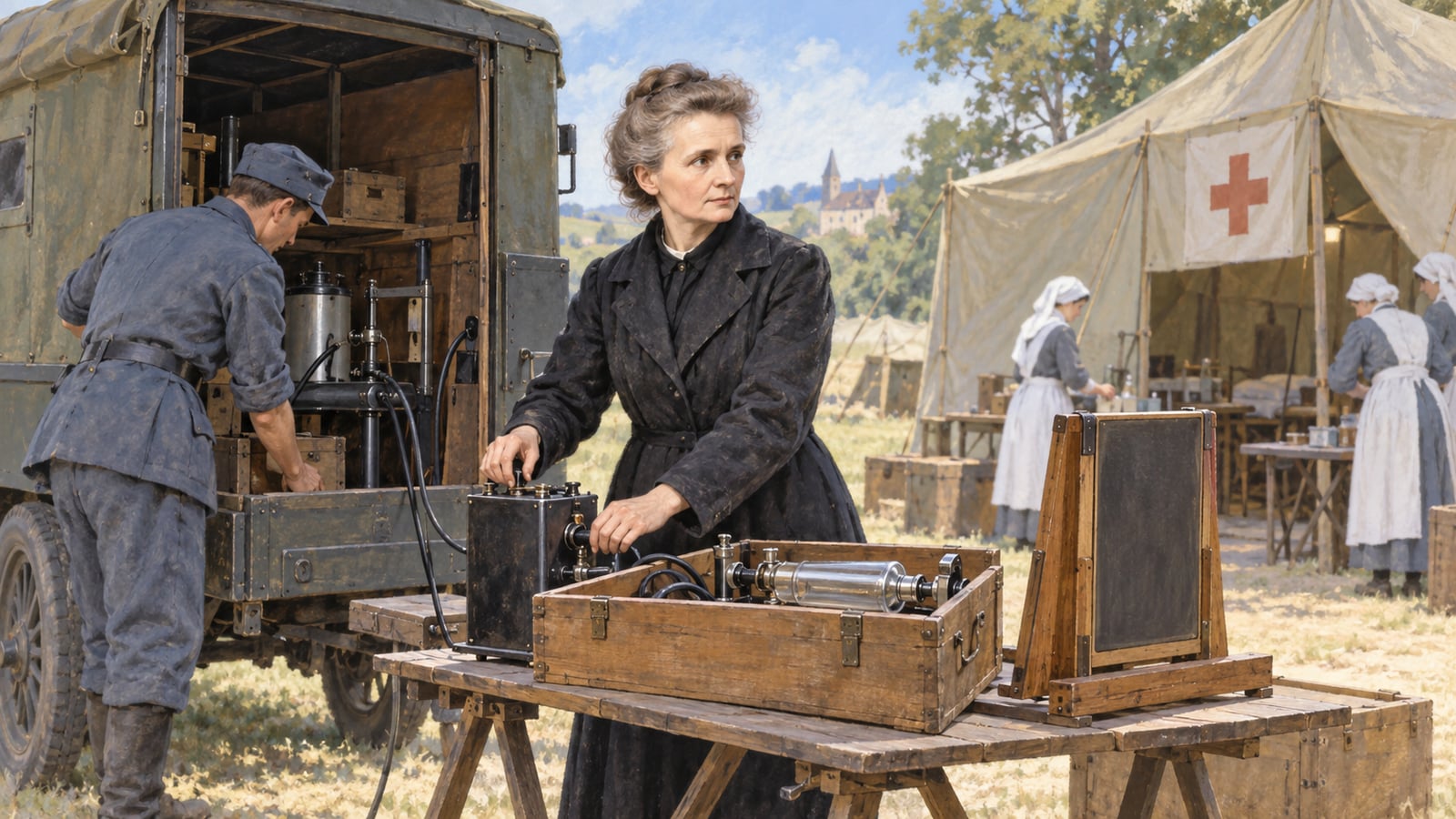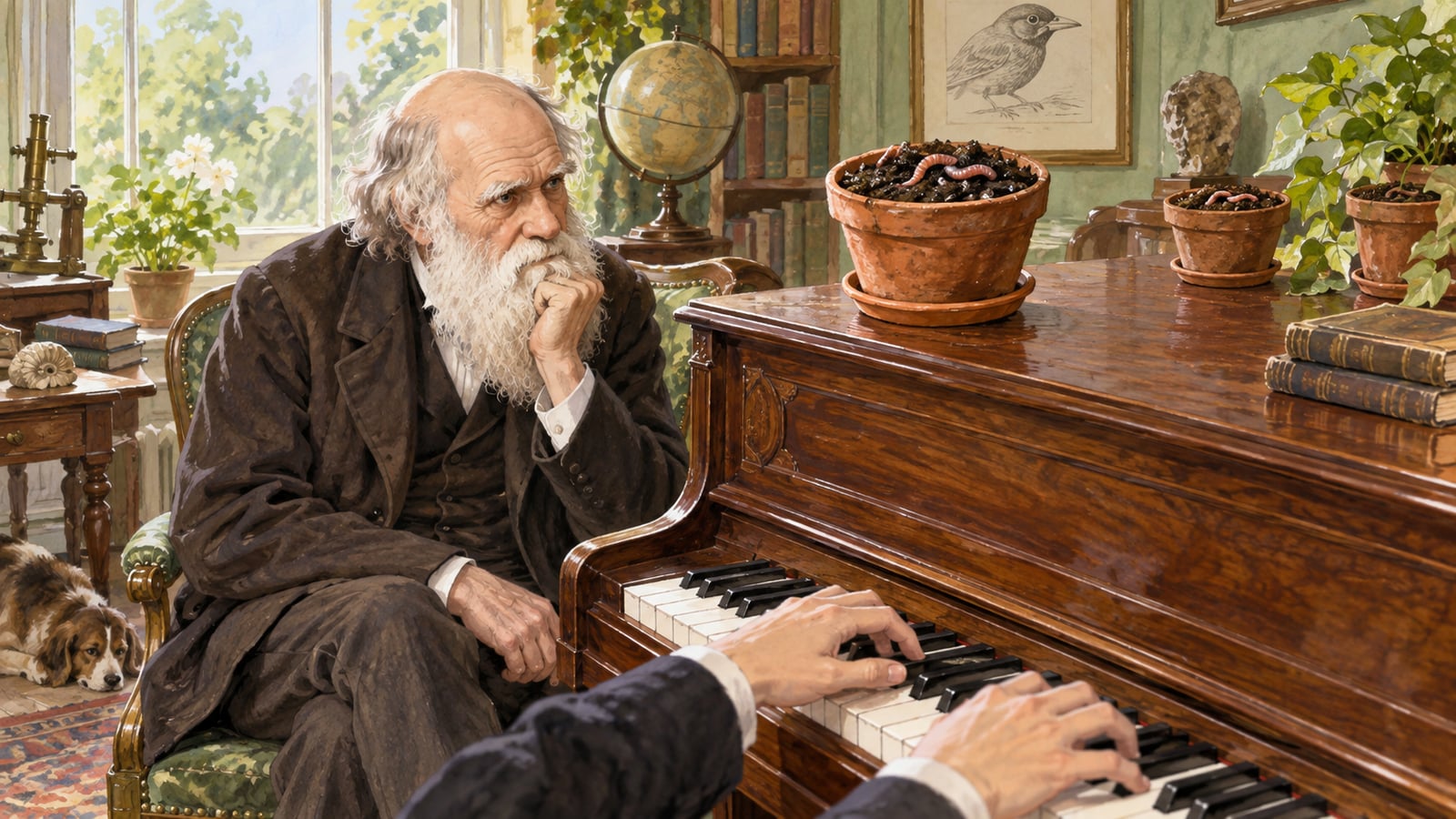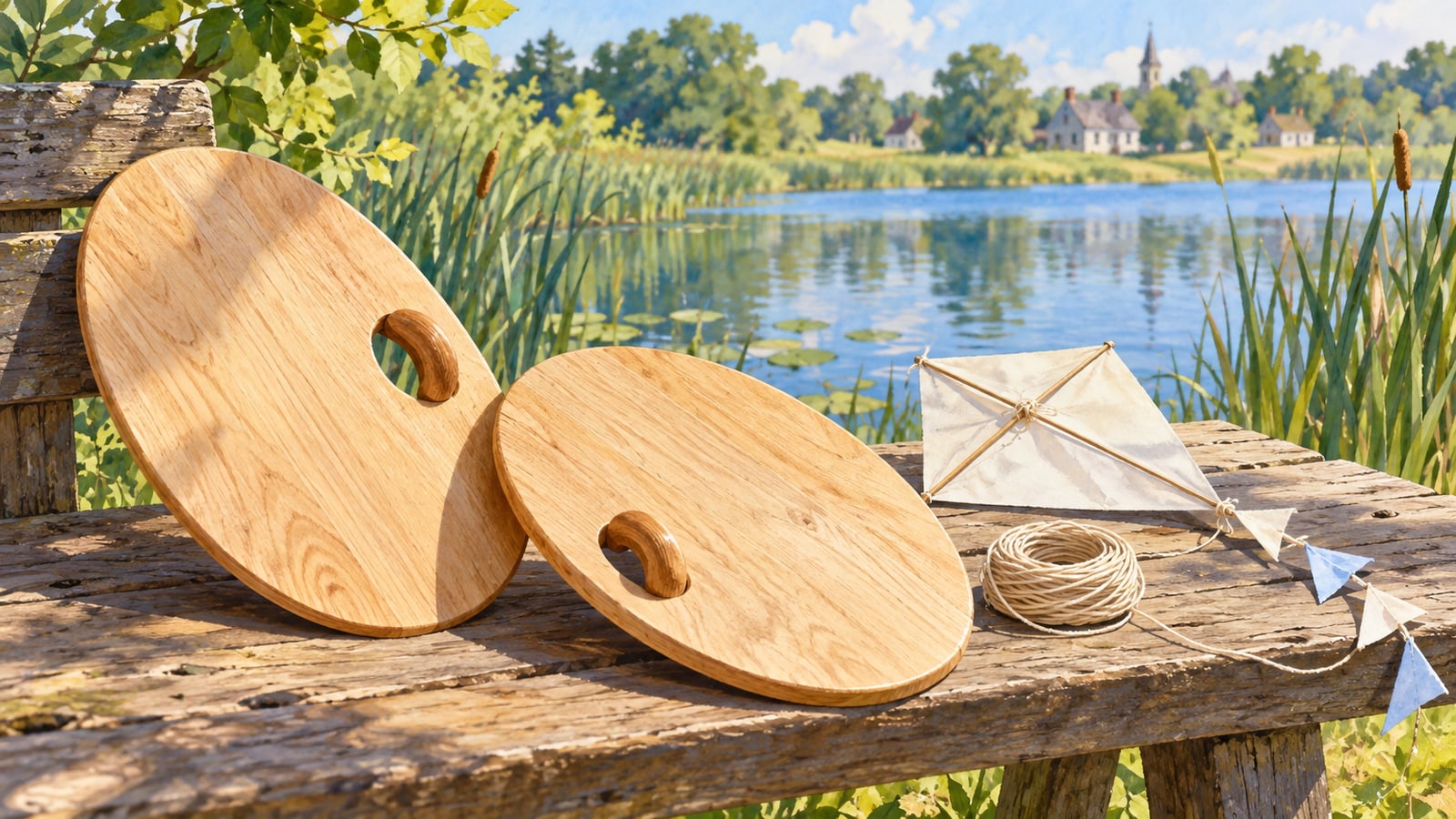
The swimming equipment Benjamin Franklin made as a boy looked rather like a painter's palette. Each oval wooden board had a hole for his thumb. Instead of strapping flippers to his feet, he held one board against each palm. His hands had suddenly acquired a much larger surface with which to move the water.
Franklin described the experiment years later in remarks sent to the French physician and translator Jacques Barbeu-Dubourg. The boards were about ten inches long and six inches wide. He moved them forward edge first, then used their broad faces on the backward stroke. In effect, each hand carried a little oar.
He remembered swimming faster. He also remembered tired wrists. Both results made it into his account: the extra purchase on the water helped propel him, but the effort had to pass through the joints holding the boards. His recollection offered a practical benefit and its accompanying inconvenience together.
He tried attachments for his feet as well, describing something like sandals fitted to the soles. These disappointed him. He observed that a swimming stroke involved the inner sides of the feet and the ankles, rather than just the soles. Enlarging the bottom of the foot did not automatically produce the improvement he wanted.
The same letter contained a much less laborious approach to moving across water. On another childhood occasion, Franklin had been flying a paper kite near a pond. He secured the line to a stake while he went swimming, then decided he wanted to enjoy the kite and the water at the same time.
He retrieved the line and returned to the pond holding the little stick attached to it. Floating on his back, he found that the kite pulled him along. He then enlisted another boy to carry his clothes around to the opposite shore while he attempted to cross the water.
It was not entirely a matter of surrendering to the wind. Following too quickly lowered the kite, so he occasionally resisted its pull to make it rise again. With that adjustment, he recalled crossing the pond with very little effort and considerable pleasure.
Franklin said he had never repeated this particular method. Still, he entertained the possibility of traveling from Dover to Calais in the same way. Then he supplied his own practical qualification: taking the packet boat remained preferable.
EDITORIAL RESPONSIBILITY
FactosBrain Editorial Desk
The FactosBrain Editorial Desk researched and reviewed this article under our editorial policy. We assess error reports under our corrections policy.