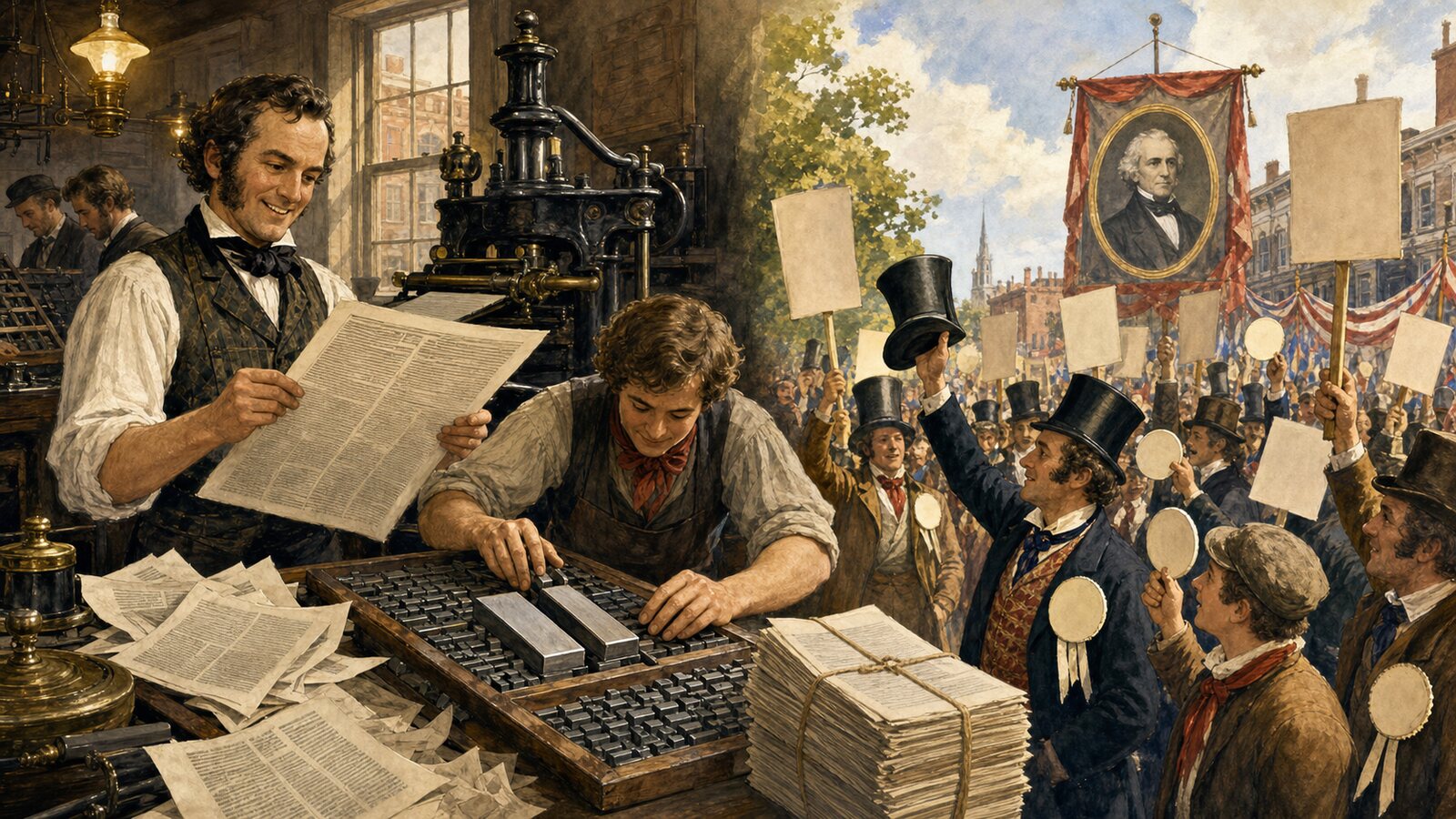
A word does not enter a dictionary because a committee votes to make it real. Different dictionaries—historical, technical, learner-focused or general—serve different audiences and use different thresholds. In a descriptive general dictionary, editors mainly ask whether enough evidence shows how people actually use a word or a new sense.
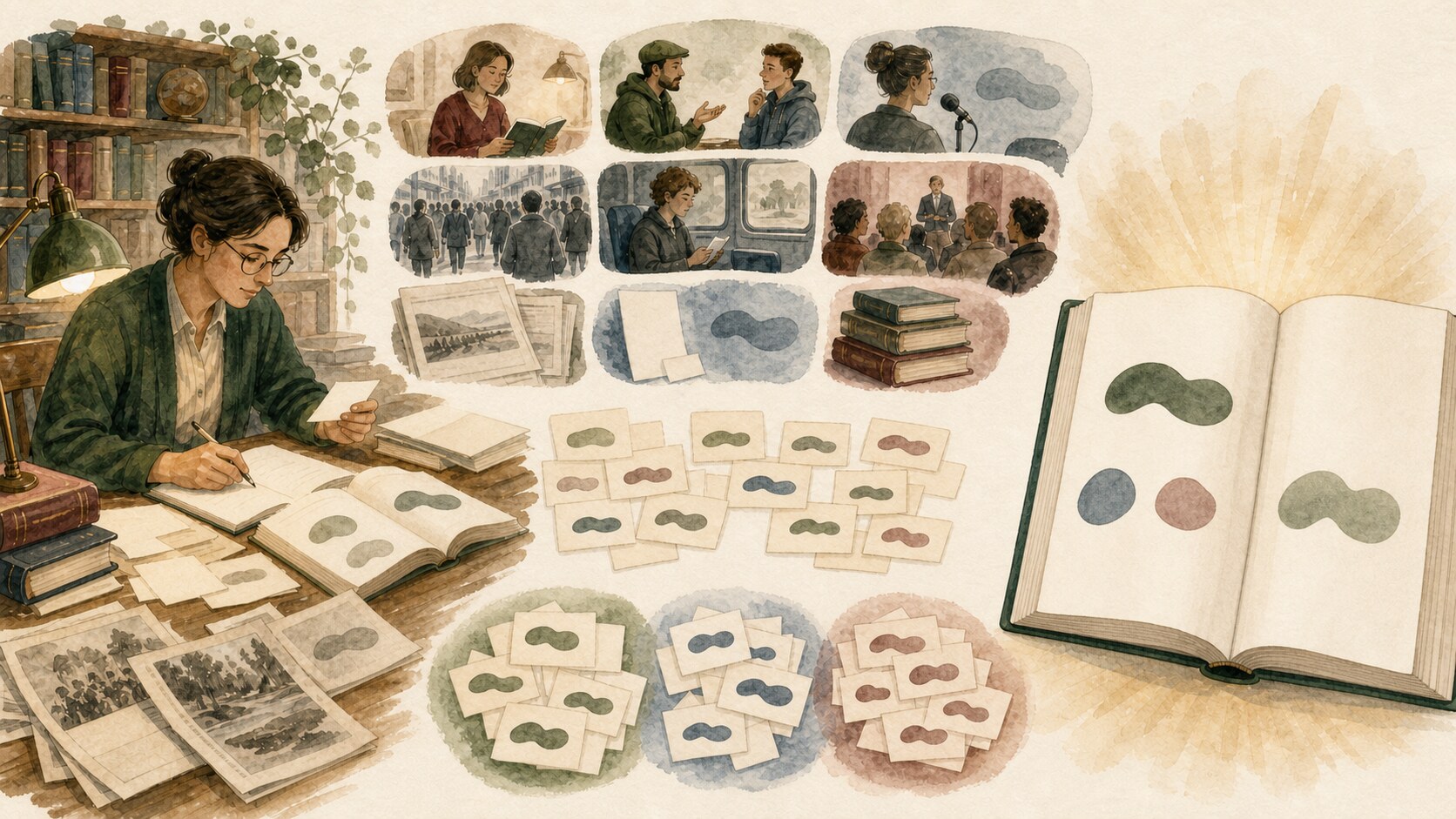
Lexicographers read books, journalism, websites, transcripts and specialist publications while looking for changes in vocabulary. A useful example is recorded as a citation with its source and surrounding context. Context matters because it shows more than the word's existence: it reveals meaning, grammar, tone and the kinds of subjects or objects that accompany it.
One viral moment or one prolific writer is usually not enough. Merriam-Webster describes three central qualities: frequent, widespread and meaningful use. Editors look for use that continues over time, appears among independent writers or speakers and occurs across enough settings that the dictionary's intended readers may encounter it and need an explanation.
Editors then derive a definition from the evidence and research pronunciation, spelling, part of speech, origin and range of use. In that sense, the word normally comes first and the dictionary follows. New entries are not limited to newly coined forms. Established words such as mouse and cookie gained additional dictionary senses after their computer-related meanings became common.
Absence from one dictionary does not make a word fake. A regional expression, professional term or family coinage can function perfectly well within its community while falling outside a particular dictionary's scope. Inclusion does not mean that a form is formal or recommended in every context either. Labels such as slang, informal, dated or offensive describe where evidence shows a term is used.
This is why a campaign asking editors to add a favorite invention matters less than genuine use. Lexicographers document language rather than manufacture popularity, and promising citations can be saved for later review if the evidence is not yet sufficient. Dictionary entry is therefore not a birth certificate for a word. It is an editorial conclusion that a particular reference work now has enough evidence to explain the form or meaning to its readers.
EDITORIAL RESPONSIBILITY
FactosBrain Editorial Desk
The FactosBrain Editorial Desk researched and reviewed this article under our editorial policy. We assess error reports under our corrections policy.