Look a little closer
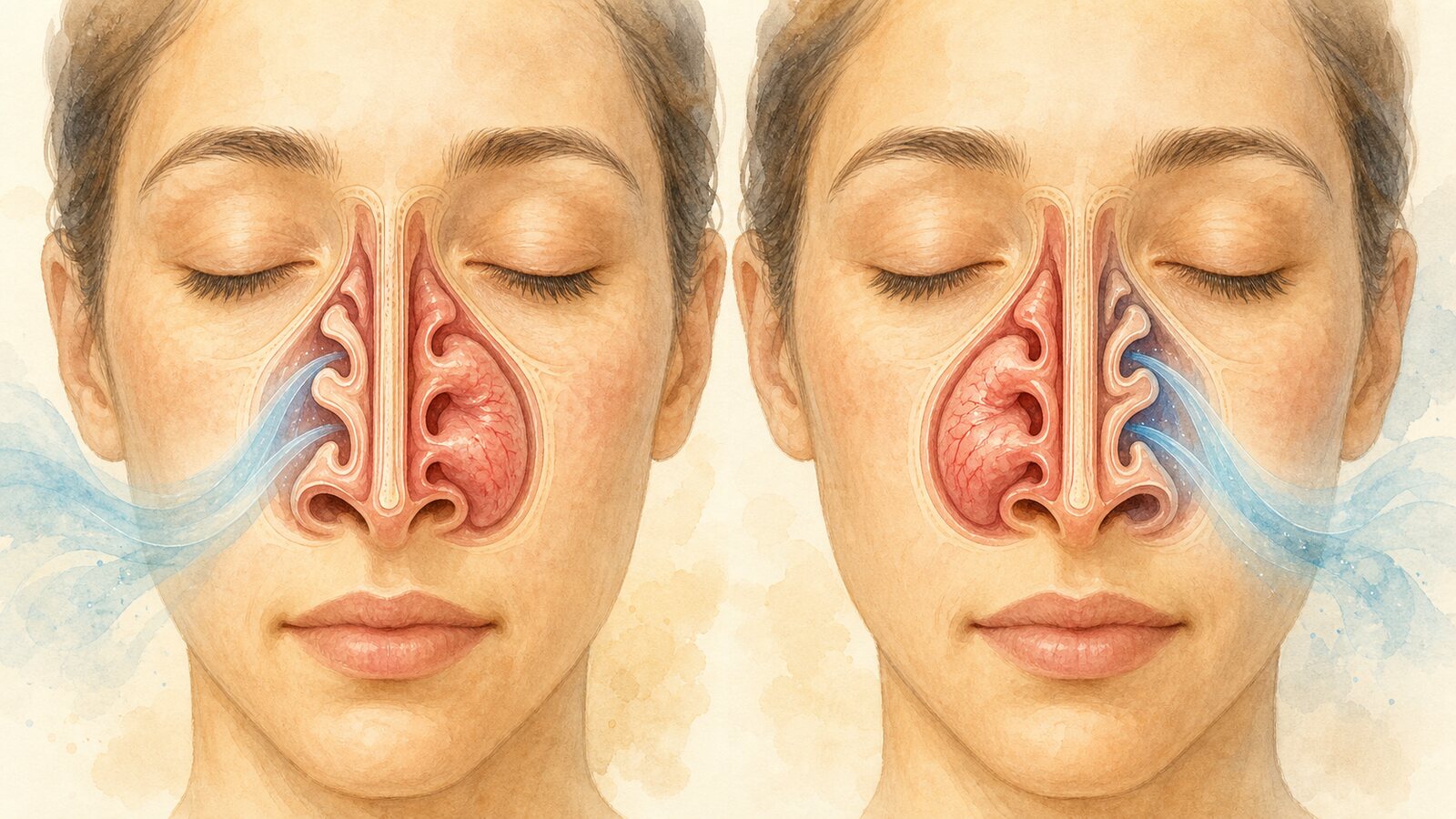
A sneeze is a sudden, forceful reflex in which air from the lungs is expelled through the nose and mouth. When the mucous membranes of the nose or throat detect something potentially irritating, such as dust, pollen, smoke, or a virus, nerve signals reach the brain. The brain coordinates breathing muscles to produce a rapid outward burst of air.
The purpose is not to sterilize the airway perfectly. It helps move irritants and secretions out of the nose and throat. Irritated membranes may also become inflamed, swollen, or runny, and sneezing is one of several protective responses in that setting. A single sneeze cannot by itself reveal what caused the irritation.
With allergic rhinitis, the immune system reacts to ordinarily harmless substances such as pollen, dust mites, or animal dander. Itching and sneezing can follow. Respiratory infections such as a cold or flu can also irritate nasal tissues and trigger sneezing. Dry air, strong smells, pepper, and spicy foods can activate the same reflex in some people.
Some people sneeze when they suddenly look at bright light. This is called the photic sneeze reflex. One explanation is that nerve pathways associated with light and those involved in the nasal sneeze response can cross-activate in certain people. It does not happen to everyone, but it is a useful example of the reflex switching on even without the usual nasal irritant.
Most sneezing is brief and does not indicate a serious problem. Persistent sneezing, or sneezing with shortness of breath, wheezing, fever, hives, or severe eye and nose symptoms, can warrant assessment for causes such as allergy or infection. The details that accompany a sneeze—timing, other symptoms, and likely exposures—are more informative than the reflex alone. Covering a cough or sneeze with the elbow and washing hands can also help limit the spread of respiratory infections.
EDITORIAL RESPONSIBILITY
FactosBrain Editorial Desk
The FactosBrain Editorial Desk researched and reviewed this article under our editorial policy. We assess error reports under our corrections policy.