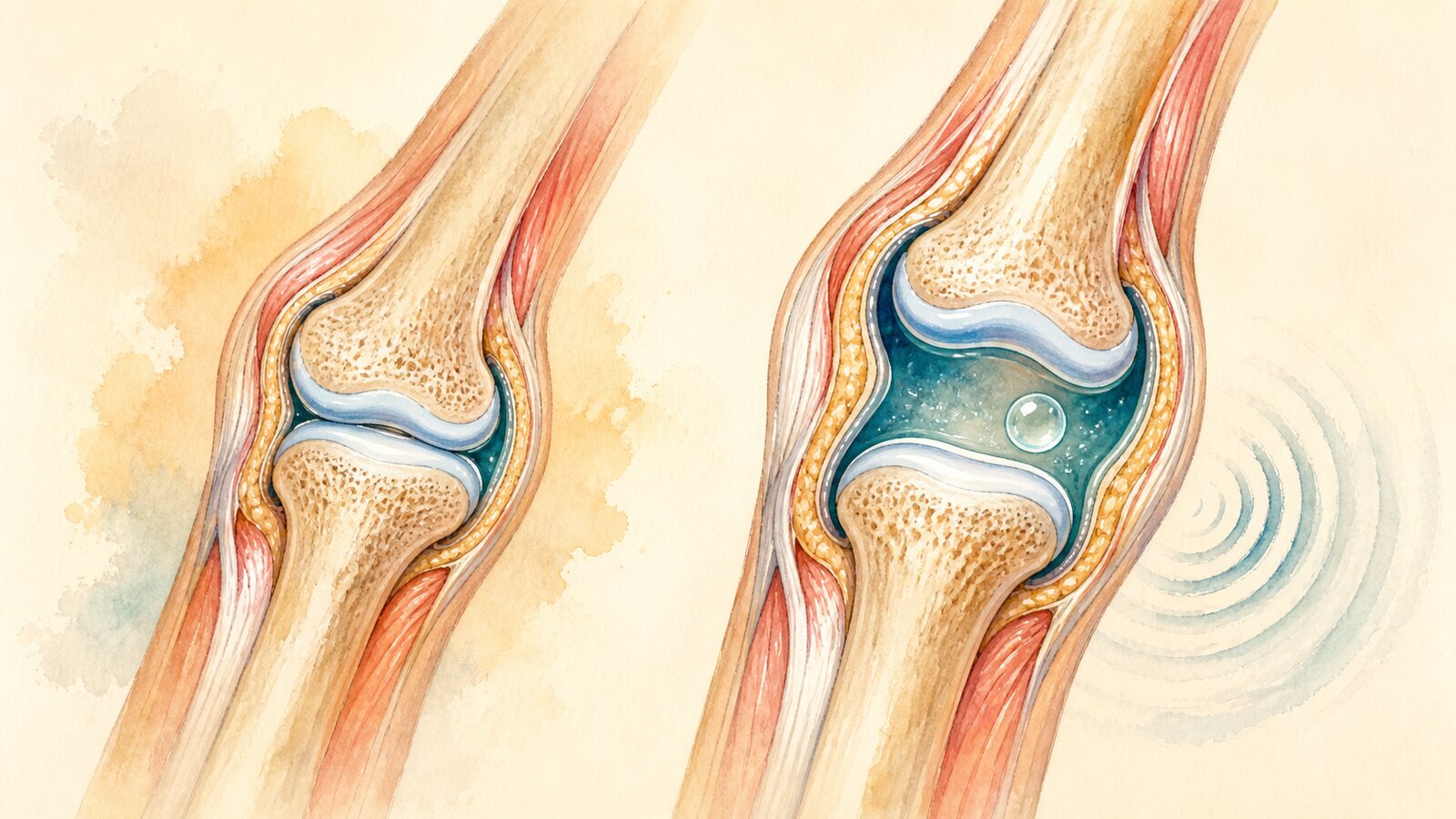
Look a little closer
Your abdomen can growl when you are not hungry because the sound is produced by moving contents in the stomach and intestines, not by hunger itself. Muscular contractions propel and mix gas, liquid, and food; bubbles and fluid passing through changing spaces make the gut wall and surrounding tissues vibrate. Fasting contractions can make the noise conspicuous, but digestion after a meal, swallowed air, and intestinal gas can produce the same family of sounds.
Although people call it a stomach growl, the stomach is not the only instrument. Rumbles and gurgles from the gastrointestinal tract are called borborygmi, and a clinician can normally hear a range of bowel sounds over the abdomen with a stethoscope. The digestive tract is a long muscular tube. Coordinated contraction and relaxation, including peristalsis, moves material forward and mixes it with secretions. Sound is an audible by-product of that ordinary mechanical work.
Movement alone is not enough; the tract also contains varying mixtures of food, digestive juices, mucus, swallowed air, and gases produced by microbes. When a contraction narrows one segment, fluid and gas move into the next. Bubbles split or merge and local pressure changes. These flows can vibrate the flexible wall and generate tones ranging from a low rumble to a liquid gurgle. Loudness therefore cannot serve as a precise gauge of how empty the gut is.
Between meals, the stomach and small intestine can display a recurring pattern called the migrating motor complex, or MMC. Unlike the irregular mixing associated with digestion, the fasting pattern progresses from relatively quiet activity through increasing contractions to a group of strong contractions that migrates along the tract. It helps move residual secretions and material onward and is often compared with a housekeeping cycle. Eating interrupts the fasting pattern and replaces it with fed-state motility.
A strong phase of the MMC can shift gas and liquid enough to be heard, and its timing may overlap with hunger. The intestinal hormone motilin has been studied for roles in the human MMC and fasting-related hunger signals. That connection does not make each rumble a command from the brain to eat immediately. Hunger is an experience assembled from neural signals, several hormones, habits, and sensory cues. A person can be hungry without audible sounds and can hear bowel sounds after feeling full.
Post-meal noises can be equally normal. Food stretches the stomach, secretions enter the tract, and muscular mixing and transport continue during digestion. Carbonated drinks add gas; eating rapidly or speaking while eating can increase swallowed air. Microbes in the large intestine generate gases while fermenting some carbohydrates that were not absorbed earlier. The mixture varies among people and meals, so an identical dish need not produce identical acoustics every time.
Attention and surroundings affect how dramatic the noise seems. A sound that would disappear beneath conversation becomes obvious in a silent meeting room, and noticing one rumble can make a person monitor the next. Posture and the current locations of gas and fluid also alter how vibrations travel. Noise alone does not establish excess stomach acid, a food intolerance, or failure of the migrating motor complex. Those are separate questions that cannot be diagnosed by volume or frequency in isolation.
Occasional bowel sounds without other symptoms are generally normal. A marked persistent change accompanied by severe pain, obvious abdominal swelling, repeated vomiting, fever, blood in stool, major diarrhea or constipation, or inability to pass stool or gas deserves medical assessment because the accompanying symptoms—not the embarrassing sound—change the concern. Conversely, a quiet abdomen in daily life does not prove that the gut's fasting motor pattern has stopped. Auscultation, imaging, and formal motility tests have specific clinical contexts.
A growling belly is therefore not a dedicated hunger alarm but the acoustics of a living, fluid-filled digestive tract. Between meals, the MMC may move residual contents; after meals, peristaltic and mixing contractions move a different mixture of liquid, gas, and food. Hunger and rumbling often coincide, which made the association familiar, but the audible event occurs when contractions, contents, anatomy, and surroundings happen to transmit a vibration strongly enough to reach the ear.
EDITORIAL RESPONSIBILITY
FactosBrain Editorial Desk
The FactosBrain Editorial Desk researched and reviewed this article under our editorial policy. We assess error reports under our corrections policy.