Look a little closer
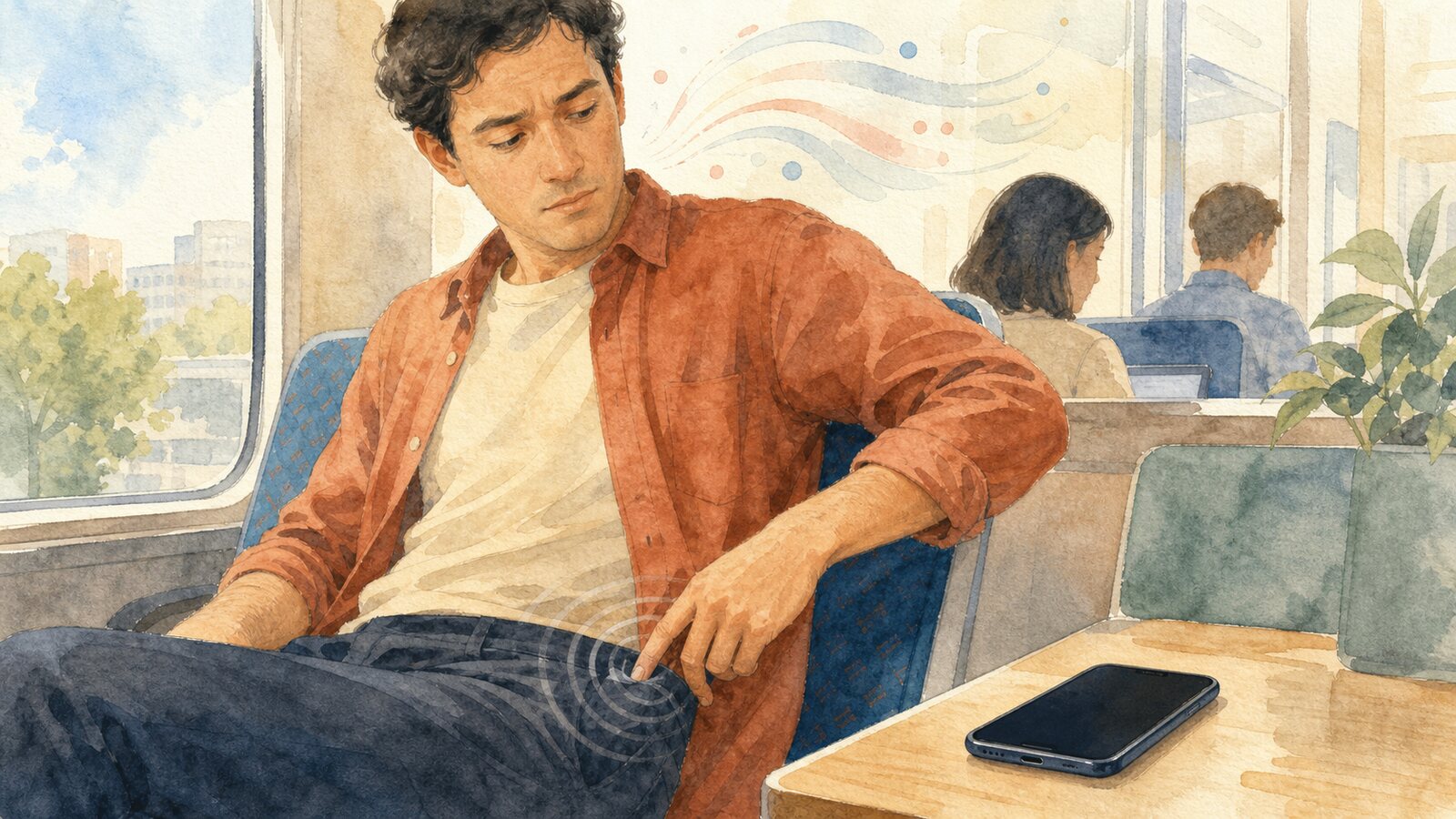
Some actions begin with little thought: putting keys into the same bowl after arriving home, or checking a phone after brushing teeth. In everyday language, a habit can mean any frequent behavior. In psychology, it often refers more specifically to a behavior that starts relatively automatically in response to a particular context cue. A choice that began deliberately can become linked to a repeated situation over time.
New actions are usually goal directed. A person considers an expected result, such as feeling better after exercise, and chooses what to do. When the place, time, or preceding action stays stable and the behavior is followed by something rewarding or comfortable, the brain can increasingly use that context as a signal. An ordinary doorway, coffee smell, or notification sound can begin to function as a start button.
A habit is not identical to a goal-directed action. Goal-directed behavior can change readily when the value of its outcome changes, whereas a well-established habit may be triggered by its cue before the outcome is reconsidered. This saves effort, but it can also make an unwanted routine persist when the environment changes. It is one reason that simple repetition counts do not precisely measure how automatic a behavior has become.
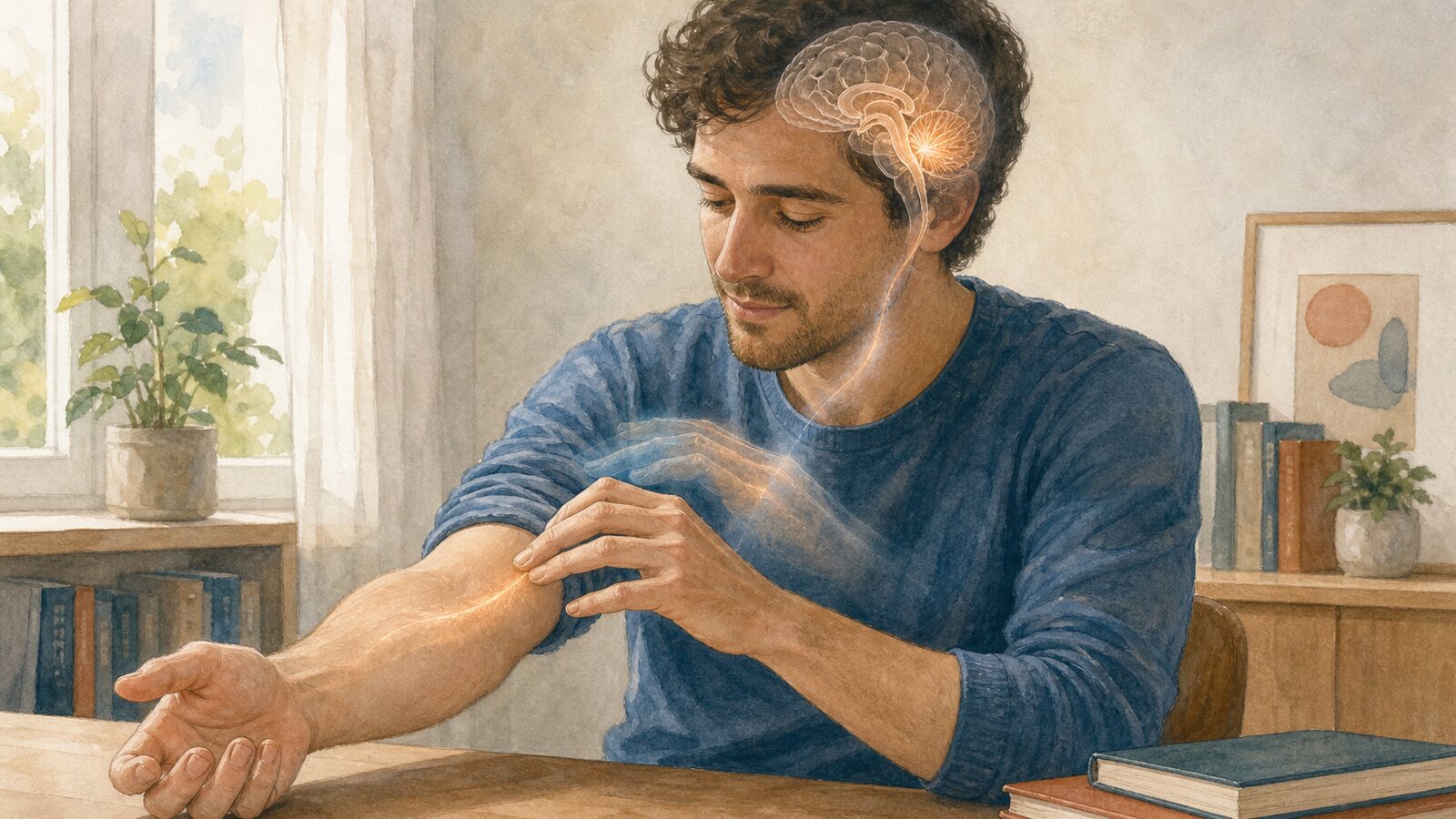
Circuits linking the basal ganglia and cerebral cortex are studied for their roles in skill learning and habitual behavior, but habits are not stored in a single brain location. Automaticity varies across distributed networks, types of behavior, and duration of practice. Some actions remain conscious choices even after long repetition, while others become tightly linked to a particular setting comparatively quickly.
For creating or changing a habit, designing the cue can be more practical than blaming willpower alone. A water bottle on a desk or a short walk attached to lunch gives a desired action a stable opening. Missing one occasion does not erase the connection; returning to the same context gives it another chance to strengthen. Habits become more automatic when repeated choices join forces with the environment.
EDITORIAL RESPONSIBILITY
FactosBrain Editorial Desk
The FactosBrain Editorial Desk researched and reviewed this article under our editorial policy. We assess error reports under our corrections policy.